Top 8 Pumpkin Seed Benefits
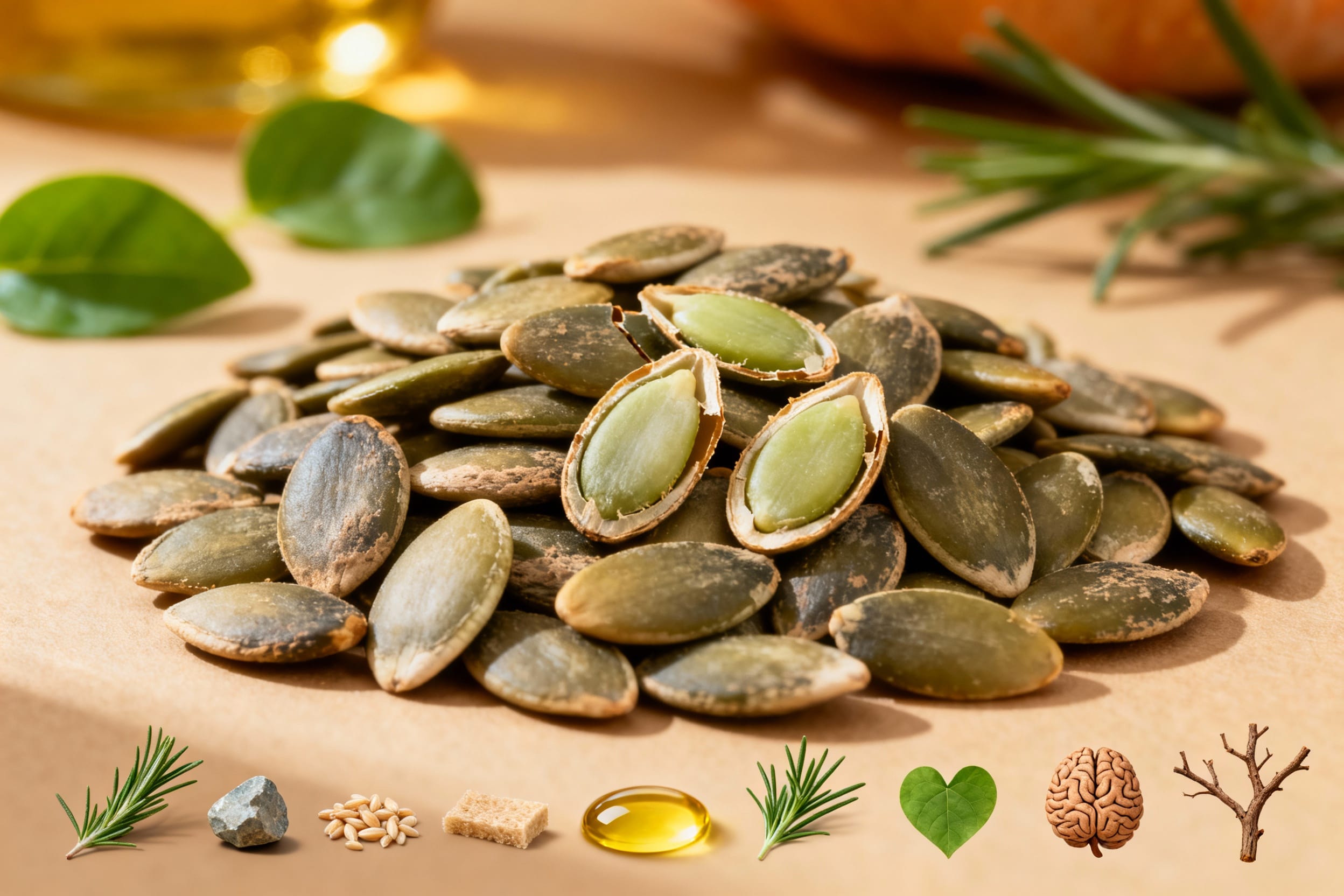
Pumpkin seeds look tiny and innocent, but they pack the kind of nutritional punch that makes dietitians nod approvingly. Crunchy, nutty, and endlessly snackable, they’re the underrated MVP in your pantry. Want better sleep, a happier heart, or stronger hair and nails?
Grab a handful and let’s talk benefits.
The Nutrient-Dense Powerhouse
Pumpkin seeds (aka pepitas) check almost every nutrition box. They deliver protein, healthy fats, and a lineup of minerals your body actually needs, not just loves.
- Protein: Around 7–9 grams per ounce, which helps keep you full and supports muscle repair.
- Healthy fats: Mostly monounsaturated and polyunsaturated fats for energy and heart health.
- Minerals: Magnesium, zinc, iron, and manganese—the squad behind better sleep, immunity, oxygen transport, and metabolism.
- Antioxidants: Vitamin E compounds and polyphenols that help fight oxidative stress.
- Fiber: Especially when you eat them with the hull—hello, digestive support.
Why magnesium matters (a lot)
Magnesium plays in almost every metabolic process. It supports muscle function, nerve signaling, blood sugar control, and sleep quality. If you run on stress and coffee, FYI, magnesium likely runs low.
Pumpkin seeds help refill the tank.
Benefit #1: Heart Health Support
Pumpkin seeds bring a heart-healthy trifecta: magnesium, healthy fats, and antioxidants. Magnesium helps keep blood pressure in check, while unsaturated fats support a healthier lipid profile. Antioxidants help calm inflammation, which your arteries appreciate.
Bonus: Plant sterols
Pumpkin seeds contain phytosterols, which can help lower LDL cholesterol.
No, you don’t need to eat a bucket of them—regular handfuls add up.
Benefit #2: Sleep, Mood, and Stress
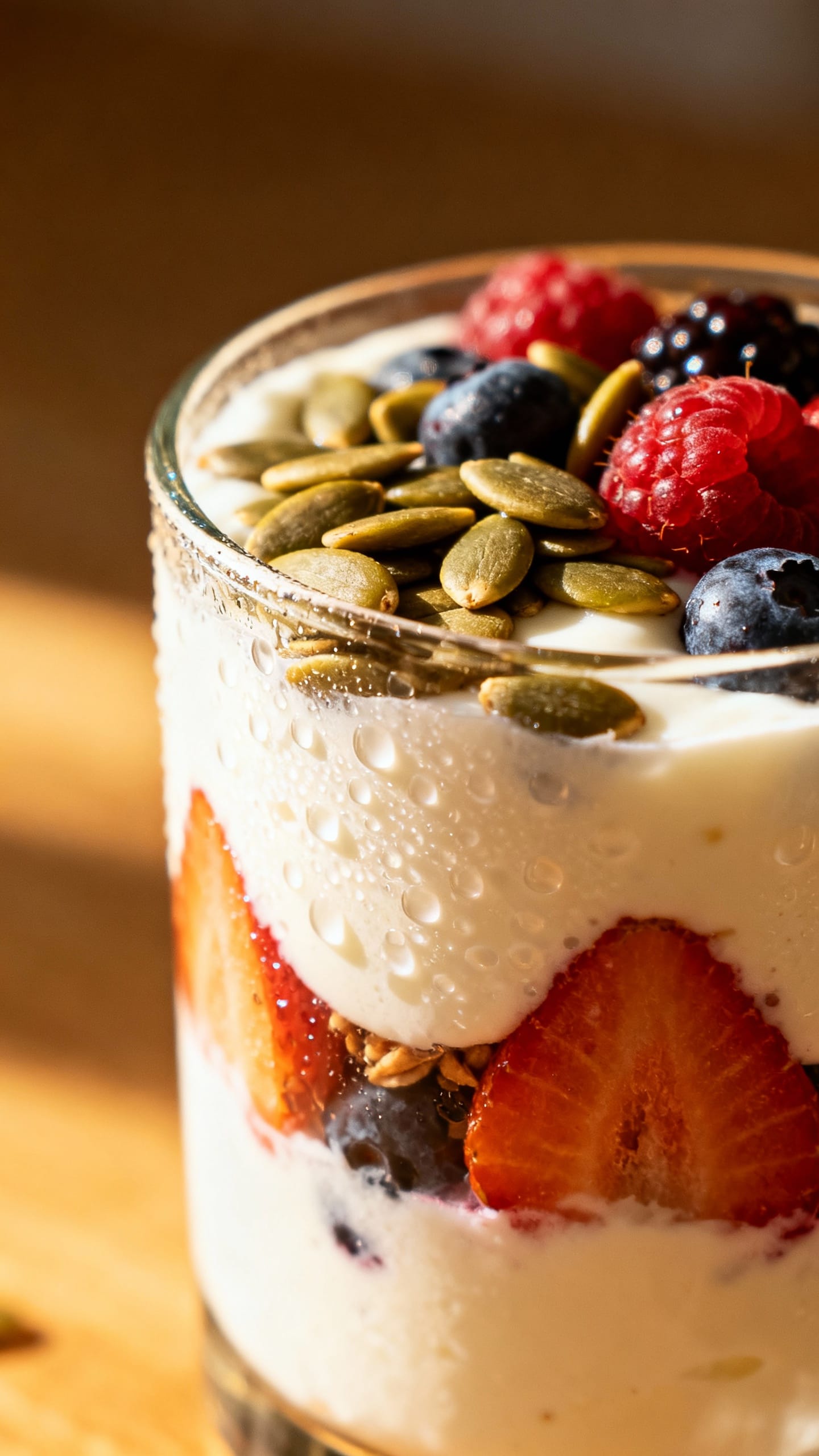
Sleep like a human instead of a caffeinated raccoon. Pumpkin seeds provide tryptophan, which your body converts to serotonin and melatonin. Pair them with a little carbohydrate (like fruit or yogurt) to help tryptophan cross the blood-brain barrier more easily.
Also, that magnesium we talked about? It helps with relaxation and stress response. IMO, a small evening snack with pumpkin seeds beats doomscrolling any night.
Benefit #3: Immune Support and Skin Health
Meet zinc, your immune system’s hype man.
Pumpkin seeds rank among the best plant sources. Zinc supports immune function, wound healing, and even skin clarity. Add in antioxidant vitamin E compounds and you get a little extra shield against skin stressors.
Glowy, but make it crunchy.
Iron for steady energy
If you tend to feel sluggish, iron matters. Pumpkin seeds offer non-heme iron—pair them with vitamin C foods (think berries or citrus) to boost absorption. You’ll feel more “let’s go” and less “where’s my nap.”
Benefit #4: Blood Sugar Support
Pumpkin seeds help smooth out blood sugar swings.
Why? A combo of protein, fiber, and healthy fats slows digestion and supports steadier glucose levels. Snack on them between meals or sprinkle on oatmeal to avoid the 3 p.m. crash.
Your future self will thank you (and maybe stop hunting for vending machine cookies).
Benefit #5: Muscle, Bone, and Performance
Magnesium works with calcium and potassium to support muscle contraction, bone density, and recovery. Add the protein content and you get a tiny but mighty recovery snack. Runners, lifters, weekend warriors: toss pumpkin seeds into your post-workout yogurt or a trail mix.
Cheap. Easy. Effective.
Electrolyte edge
Magnesium and potassium both act like quiet electrolytes.
They help reduce cramping and support hydration, especially when you sweat a lot or train hard.
Benefit #6: Prostate and Urinary Tract Support
Pumpkin seed oil and seeds often appear in conversations about prostate health. Research suggests they may help with lower urinary tract symptoms and support healthy prostate function. No miracle claims here, just a food with a promising track record.
If that’s a focus area for you or someone you love, this is an easy add.
Benefit #7: Anti-Inflammatory and Antioxidant Perks
Inflammation happens. The trick is keeping it balanced. Pumpkin seeds contain antioxidants like vitamin E forms (tocopherols and tocotrienols) and polyphenols that help reduce oxidative stress.
Over time, that can support joint comfort, brain health, and aging well. Are they magic? No.
Are they helpful? Absolutely.
Benefit #8: Hair, Nails, and Metabolism
Zinc and iron support healthy hair growth and nail strength, while healthy fats help keep your scalp happy. Manganese shows up in collagen formation and metabolism.
It’s the quiet background player that keeps things running smoothly. Want a “my hair looks strangely good” day? Don’t skip your seeds.
How to Eat Pumpkin Seeds (Without Getting Bored)
You can absolutely eat them by the handful. But let’s diversify the portfolio a bit.
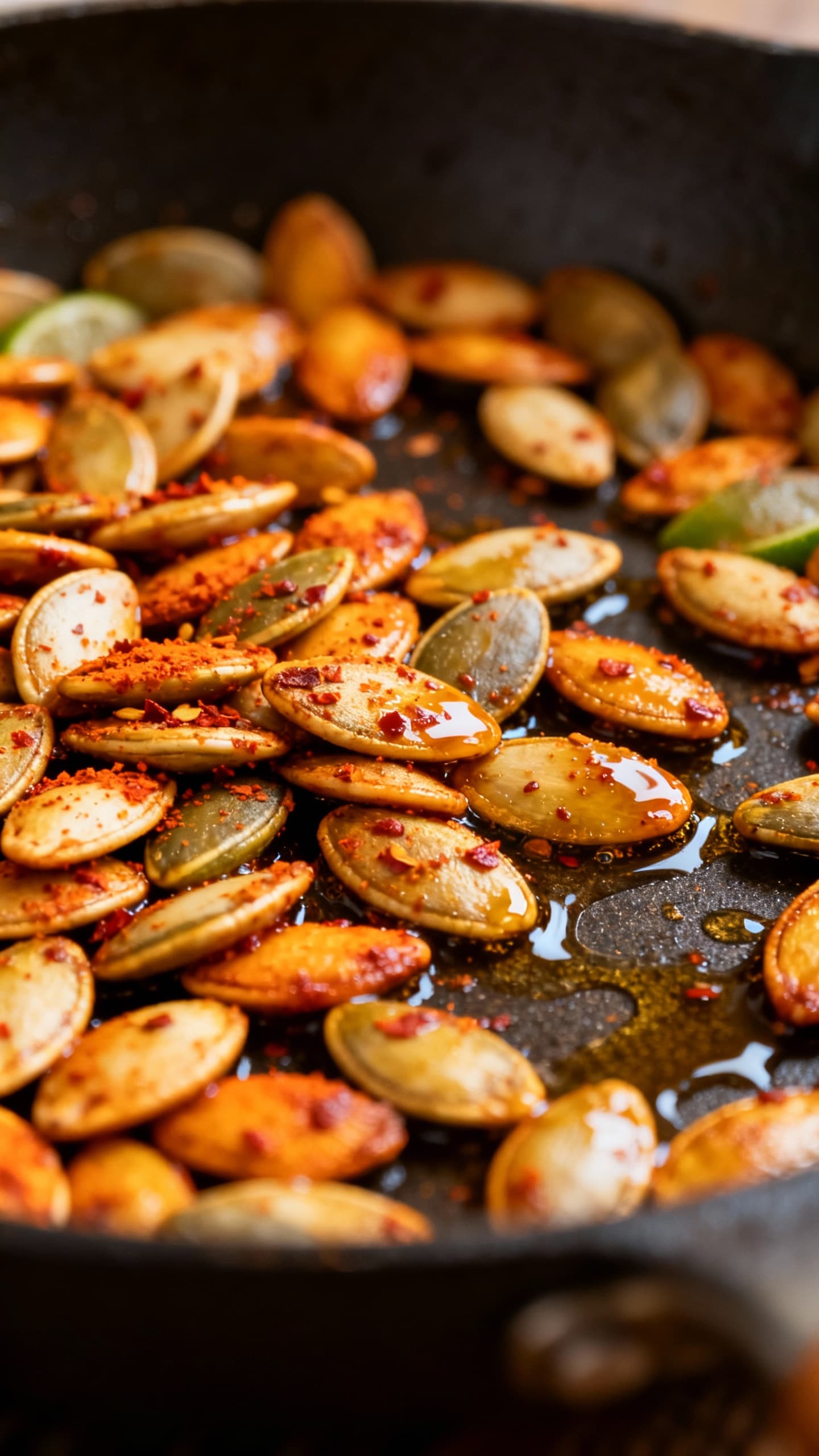
- Toast them: Skillet, medium heat, 4–5 minutes. Add paprika, cinnamon, or chili-lime.
- Blend into pesto: Swap pine nuts for pumpkin seeds. Cheaper and delicious.
- Sprinkle on: Oatmeal, yogurt, salads, grain bowls, soups (butternut soup’s best friend).
- Mix into baking: Bread, muffins, granola bars for crunch and protein.
- Trail mix: Seeds + dried fruit + dark chocolate.
Elite snack status.
How much is enough?
Aim for 1–2 ounces (about 1/4–1/2 cup) a few times per week. They’re calorie-dense, so measure once or twice until you get the feel. FYI, salted varieties taste amazing—just balance your overall sodium intake.
Buying and Storing Tips
Not all seeds taste equal. Choose fresh, quality seeds and store them right so they don’t go rancid.
- Look for: Raw or dry-roasted, unsalted or lightly salted. Pepitas (hulled) are softer; whole seeds have more fiber.
- Smell test: They should smell nutty, not paint-like. If they taste bitter, toss them.
- Storage: Keep in an airtight container in the fridge or freezer for freshness.
Oils oxidize over time.
- Allergies: Rare but possible. If you react to other seeds, start small.
FAQs
Are pumpkin seeds good for weight loss?
They can help, yes. Pumpkin seeds deliver protein, fiber, and healthy fats that increase fullness and reduce random snacking.
Keep portions reasonable and pair them with fruit or veggies for volume. The goal: steady energy and fewer “I need a cookie now” moments.
Should I choose raw or roasted pumpkin seeds?
Both work. Raw seeds keep more heat-sensitive nutrients. Roasted seeds taste amazing and still offer great benefits. If you roast at home, go low-and-slow (around 300°F/150°C) with a bit of olive oil and spices.
IMO, flavor matters for consistency—choose what you’ll actually eat.
Do pumpkin seeds help with sleep?
Yes, in a subtle, real-world way. They offer tryptophan and magnesium, which support relaxation and melatonin production. Snack on a small portion with a carb source in the evening for best effect.
It won’t knock you out, but it nudges your body toward “chill.”
Can I eat pumpkin seeds every day?
Absolutely. A small daily portion fits most diets. Watch sodium if you love the extra-salty kind, and consider variety—rotate with other nuts and seeds for a broader nutrient spread.
If you have kidney issues or need to limit minerals like potassium or phosphorus, talk to your clinician first.
Are pumpkin seeds safe for kids?
Yes, with age-appropriate prep. For younger kids, choose hulled pepitas and consider grinding them into sauces or smoothies to reduce choking risk. They’re a great way to add minerals and healthy fats to little lunches.
What about pumpkin seed oil?
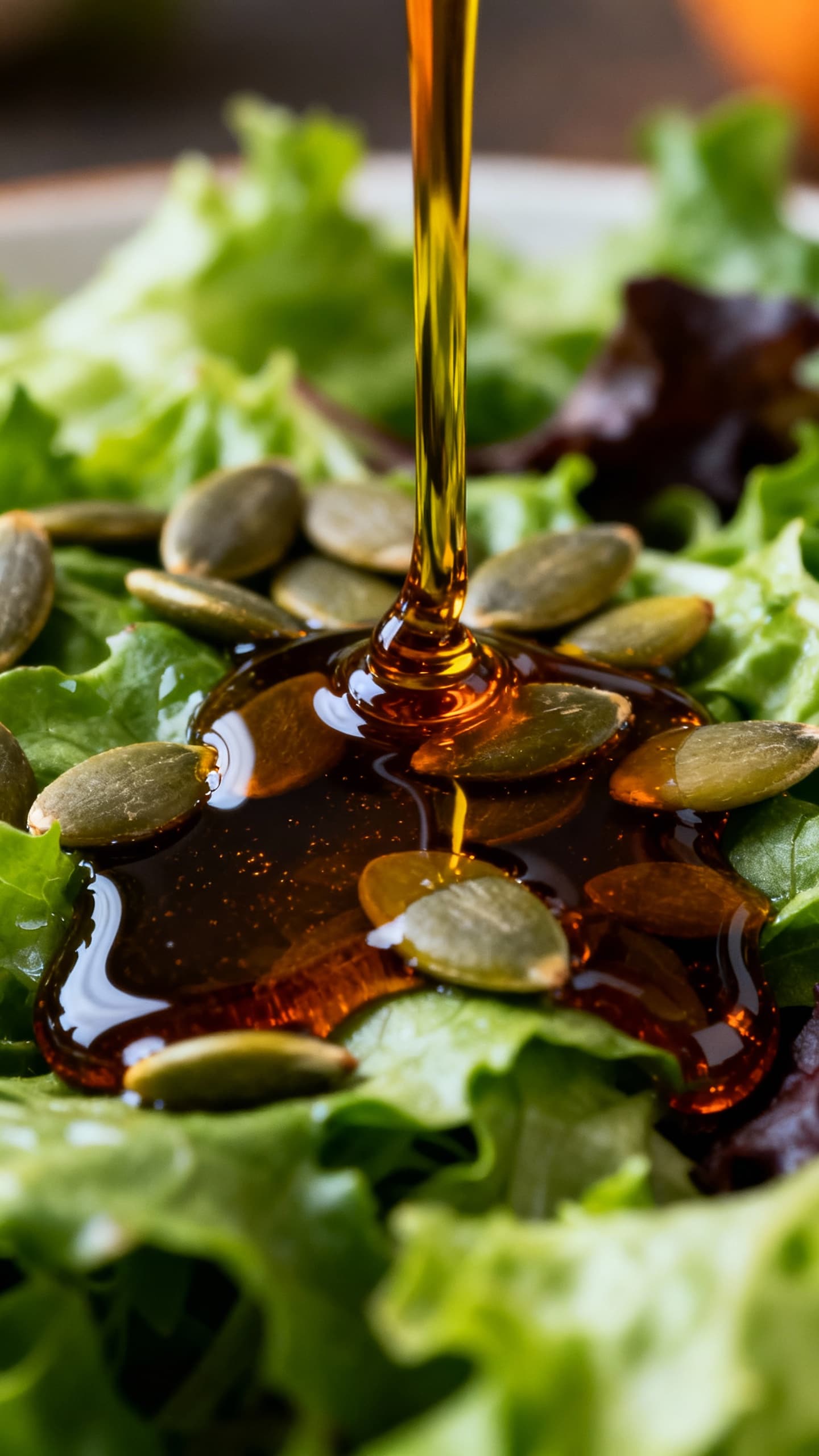
Pumpkin seed oil brings many of the same benefits, plus rich flavor for drizzling.
It’s not for high-heat cooking—use it on salads, soups, or roasted veggies. Some research links it to prostate and urinary support. Think of it as a finishing oil, not a fry oil.
Bottom Line
Pumpkin seeds punch way above their weight class.
They support heart health, sleep, immunity, blood sugar, muscles and bones, and even hair and skin. They taste great, play well with sweet or savory, and make healthy eating easier. Toss them on literally anything, and let these tiny green gems do the heavy lifting.