Don’t Throw It Away! 5 Surprising Medicinal Benefits of Avocado Seed Tea
You’ve probably tossed avocado pits without a second thought, but that seed can do more than clutter your compost. When grated and steeped, it makes a tea packed with antioxidants and anti-inflammatory compounds that may soothe swelling, support your gut, and even nudge blood pressure and LDL in a better direction. It’s not a cure-all, and safety matters. Still curious how to make it, use it wisely, and know who should skip it?
Avocado Seed Tea: What It Is, Safety, and How to Make It
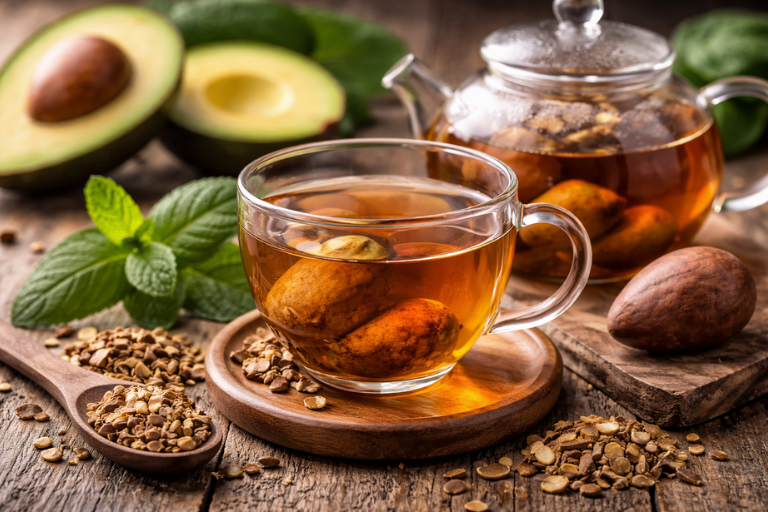
Although it’s not as common as avocado toast, avocado seed tea is a simple infusion made by steeping grated or chopped avocado seed in boiling water to extract its fiber, fatty acids, and phytochemicals.
You’re using a seed that makes up 13–18% of the fruit and contains starches, small amounts of protein, and lipids like oleic, linoleic, and palmitic acids, plus phenolics, flavonoids, tannins, and minerals. Avocado seeds are rich in phenolic compounds that provide antioxidant and anti-inflammatory benefits.
To prepare it, air‑dry the seed with its membrane, grate it, then simmer in 4 cups water per seed for at least 15 minutes; strain.
For a quicker start, briefly boil the whole seed, chop it, and continue simmering. Adjust to 2 cups water per seed for a stronger brew. Add honey, lemon, or cinnamon.
Safety-wise, historical use reports no acute toxicity, but high tannins may upset digestion; long‑term human data are limited.
Anti-Inflammatory and Antioxidant Effects of Avocado Seed Tea: What Studies Suggest
Building on traditional use, early research suggests avocado seed tea may calm inflammation and curb oxidative stress, but the evidence comes mostly from lab and animal studies. In cell models, extracts dampened macrophage production of pro‑inflammatory mediators at low microgram-per-milliliter levels and interacted with enzymes tied to inflammatory diseases.
Mouse studies echo this: infusion and methanolic extracts reduced carrageenan‑induced paw swelling, while an ethyl acetate fraction eased oxidative stress in an indomethacin ulcer model. You can thank polyphenols, flavonoids, tannins, and procyanidins (catechin, epicatechin) for much of this activity.
A balanced intake of greens can further enhance the anti-inflammatory effects of such natural remedies. Benzotropolone-containing compounds lowered IL‑1β and TNF‑α in RAW264.7 cells at 6 µg/mL, and phenolics plus saponins curbed lipid peroxidation. Antioxidant effects also showed up in rats and even in food systems, supporting anti-inflammatory potential.
Researchers at Penn State reported that avocado seed extract inhibited pro‑inflammatory mediators in cell culture at low microgram‑per‑milliliter levels, highlighting its anti-inflammatory activity.
Digestion and Gut Comfort: How Avocado Seed Tea May Help
While the research is still early, avocado seed tea may ease everyday digestive upsets by delivering soluble fiber that feeds your gut’s beneficial bacteria and supports regularity. This fiber-rich diet is essential for maintaining smooth digestive system function.
That fiber acts like a gentle prebiotic, nourishing your microbiome, easing bloating, and promoting comfortable, predictable bowel movements. By holding water in the stool, it helps you stay regular without harsh stimulants.
You may also notice steadier digestion because soluble fiber slows carbohydrate breakdown, supporting balanced metabolism and smoother nutrient absorption. Early findings suggest improved glycogen storage and better bile handling, which can aid fat digestion and reduce post‑meal discomfort. The fiber’s satiety effect can help you feel comfortably full, giving your gut a calmer workload.
Start with small amounts, sip warm, and pair with water and a fiber‑smart diet to support daily gut comfort. As a bonus, its rich antioxidant profile may help reduce inflammation in the gut and support overall immune balance.
Blood Pressure and Cholesterol: What Avocado Seed Tea Can and Can’t Do
Even with the hype around superfoods, avocado seed tea has a narrower, realistic role: its soluble fiber, potassium, and antioxidants may nudge blood pressure and LDL cholesterol in the right direction, but they’re not a substitute for proven treatments.
Soluble fiber can bind cholesterol in your gut, helping remove it and modestly lower LDL; each extra 1–2 grams daily typically trims LDL by about 1%. Polyphenols and flavonoids may further limit cholesterol production via HMG-CoA reductase and support better blood flow. Avocado seed tea also contains compounds with antioxidant properties, which may help reduce inflammation and support overall health. Additionally, incorporating foods rich in quercetin may enhance the anti-inflammatory effects of avocado seed tea.
For blood pressure, potassium helps counter sodium, relax blood vessels, and lower systolic and diastolic readings. Antioxidants may also ease vascular inflammation. These shifts can cumulatively reduce cardiovascular risk.
Still, most evidence comes from animals or test tubes. Human trials on avocado seed are sparse, so treat benefits as potential, not proven.
Who Should Avoid Avocado Seed Tea and How to Use It Wisely
Curious whether avocado seed tea is right for you? Skip it if you’re allergic or sensitive to avocado, have a latex allergy, or a known tree nut allergy without medical advice.
If you’re pregnant or breastfeeding, avoid it due to limited safety data. Taking blood thinners like warfarin? Talk to your doctor first, since vitamin K may interfere. Avocado seeds are toxic to pets, so keep prepared tea and spent seeds away from animals.
If you have liver disease, proceed only with professional guidance, as seed oils have raised liver fats and enzymes in studies.
Use it wisely: dry seeds at least three days, then clean, dry, and grind to reduce bitter, potentially toxic compounds.
Limit intake to one cup daily and use occasionally, not routinely. Start small—its high fiber can cause gas, bloating, or constipation.
Medications or conditions? Consult your clinician.
Frequently Asked Questions
Does Avocado Seed Tea Interact With Common Medications or Supplements?
Yes. You risk interactions with warfarin (reduced effect), blood pressure drugs (added lowering), and diabetes medications (extra glucose drop). Allergies and pregnancy are concerns. Safety’s unclear. Don’t start it; discuss labs and dosing with your clinician.
Can I Use Roasted or Dried Pits for Better Flavor?
Yes—use dried pits; they’re documented to reduce bitterness and deepen flavor when grated and simmered. Roasting isn’t established for tea. Boil chopped or grated dried seed 15–30 minutes, add cinnamon, ginger, lemon, or honey to enhance taste.
How Does Seed Variety (Hass vs. Others) Change Benefits?
Variety likely tweaks potency, not direction. You’ll see strong anti-inflammatory and antioxidant effects with Hass, thanks to phenolics and procyanidins, but other varieties may vary. Evidence’s sparse; you should expect similar benefits overall, with uncertain differences in magnitude.
Is There an Optimal Time of Day to Drink It?
Yes—morning’s best for mucus reduction, immune support, digestion, satiety, and blood pressure alignment. If evenings suit you, drink before bed for relaxation, headache relief, anti-inflammatory support, and cumulative pressure benefits. Aim for 1 cup daily, hot or cold.
Can I Combine Seed Tea With Other Herbal Teas Safely?
You shouldn’t assume it’s safe. Avocado seed’s polyphenols, tannins, and saponins may interact additively with green tea or other herbs. Start low, avoid pregnancy/breastfeeding, keep occasional use, watch for side effects, and consult your clinician, especially with medications or conditions.
Conclusion
You’ve now got a simple, sustainable way to turn avocado seeds into a soothing tea with potential perks. If you enjoy it, sip it in moderation and pay attention to how your body responds. It may help tame inflammation, support digestion, and nudge blood pressure and LDL in the right direction—but it’s not a cure-all. If you’re pregnant, on medications, or have health conditions, check with your clinician first. Brew mindfully, stay curious, and let your cup do double duty.