8 Surprising Cashew Nuts Benefits for Bone Strength and Brain Health
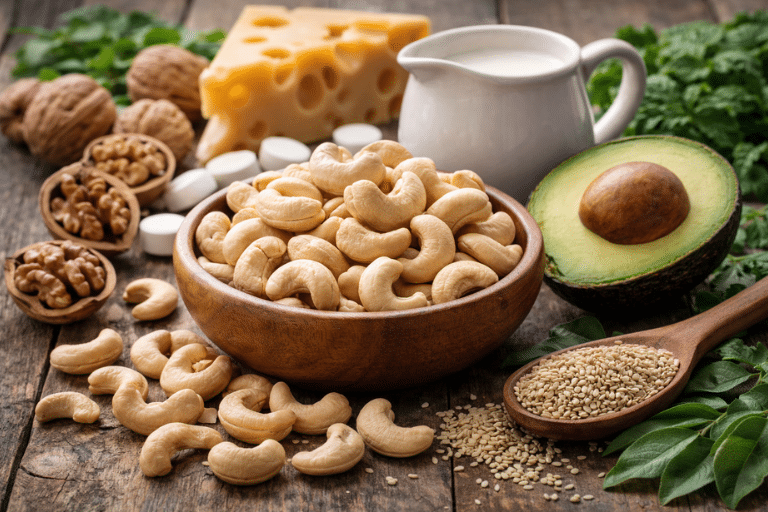
You might be surprised how much a small handful of cashew nuts can do for your bones and brain. Beyond their creamy taste, they quietly supply minerals that reinforce bone density and protect mood, memory, and focus. From magnesium and phosphorus to copper and healthy fats, cashews support key processes you probably don’t notice day to day—but would definitely miss if they’re lacking. Once you see how they work together, you may rethink how you snack…
Are Cashew Nuts Good for Bone and Brain Health?
Surprisingly, cashew nuts offer powerful support for your brain by protecting key neurochemicals and supplying essential nutrients that keep neurons healthy. When you eat cashews, you help reduce adenosine deaminase activity, which preserves adenosine, a molecule your brain relies on for memory processes like long‑term potentiation and depression.
In animal studies, cashew‑enriched diets have also been shown to improve redox balance in the brain, boosting antioxidant defenses and reducing oxidative damage linked to neurotoxicity. Additionally, ginger’s antioxidant properties can complement the benefits of cashews by further protecting brain health.
Cashews protect key neurochemicals, preserving adenosine to power memory processes like long‑term potentiation and depression
Cashews also lower monoamine oxidase, helping maintain mood‑related neurotransmitters, and they restore nitric oxide levels, which support healthy blood flow in brain tissue.
Their magnesium helps regulate synaptic plasticity, nerve transmission, and neurotransmitter balance, while vitamin B6 and other B vitamins drive neurotransmitter production and homocysteine control.
Healthy unsaturated fats keep brain cell membranes flexible, and zinc contributes to mood and cognition. Together, these effects support sharper memory, faster processing, and reduced dementia risk.
How Cashews Support Bone Density and Strength
Cashews act like compact bone-builders, delivering a mix of minerals and healthy fats that directly support bone density and strength. You get phosphorus working with calcium to fortify your bone structure and drive mineralization. Copper boosts lysyl oxidase, helping cross-link collagen and elastin so your bones stay strong yet flexible. You also take in vitamin K, which helps regulate calcium and supports proper mineral deposition in bone.
Cashews provide moderate calcium plus boron, which improves calcium use and supports hormone balance for bone protection. Manganese, along with copper and zinc, forms Superoxide Dismutase, an antioxidant that limits inflammation-driven bone damage.
Eating about an ounce of unsalted cashews regularly helps maintain bone density and may lower your fracture and osteoporosis risk. Their rich magnesium content further enhances calcium absorption and supports the activation of vitamin D for stronger bones.
Additionally, adequate magnesium intake is crucial for preventing osteoporosis and fractures, making cashews an excellent choice for bone health.
Magnesium in Cashews: A Foundation for Strong Bones
While calcium usually gets the spotlight for bone health, magnesium in cashews quietly does just as much heavy lifting. Cashews pack about 292 mg of magnesium per 100 grams, making them one of the richer nut sources. Just a quarter cup gives you roughly 22% of your daily magnesium needs. In addition to supporting bones, cashews supply magnesium that contributes to better brain function, helping nerve signaling and overall cognitive performance. Zinc, another vital mineral, also plays a crucial role in protein metabolism and maintaining overall health.
You store about 60% of your body’s magnesium in your bones, where it helps build and maintain their structure, along with your teeth.
Magnesium also balances calcium’s activity in your nerves and muscles, acting like a natural gatekeeper so calcium doesn’t overstimulate them. This balance supports healthy bone metabolism, better bone density, and less risk of fractures, especially if your magnesium intake has been low.
Calcium and Phosphorus in Cashews for Solid Bones
Even though cashews aren’t a major calcium source, their mix of calcium and phosphorus still gives your skeleton meaningful support. A 1‑ounce serving offers only about 10–13 mg of calcium, a tiny share of your 1,000 mg daily target, but it still contributes to your overall mineral intake. Rich in magnesium, cashews also help support bone structure and muscle function through this essential mineral.
Where cashews really stand out is phosphorus. That same small handful delivers around 167–168 mg, roughly a quarter of your daily requirement.
Cashews shine for phosphorus, with a small handful giving about a quarter of your daily needs
Per 100 g, cashews can provide up to 530–593 mg of phosphorus, approaching most of your daily needs.
When you eat cashews regularly, you supply your body with phosphorus that pairs with calcium and magnesium to form and maintain dense, resilient bones and teeth.
Vitamin K, Copper and Zinc: Cashews for Bone Matrix and Collagen
Three quiet power players in cashews—vitamin K, copper, and zinc—work together to build and maintain your bone matrix and collagen. When you snack on cashews, you’re not just getting energy; you’re feeding the internal scaffolding that keeps your skeleton and connective tissues strong and resilient.
- Vitamin K in cashews helps direct calcium into your bones, supports density, and assists normal blood clotting. Cashews also supply magnesium, a mineral that works alongside vitamin K to support bone mineralization and muscle and nerve function.
- Copper drives bone matrix formation, strengthens collagen cross-links, and lowers your risk of fractures and osteoporosis.
- Zinc supports the cells that remodel bone and helps synthesize collagen in ligaments, tendons, and cartilage.
Together with magnesium naturally present in cashews, these minerals balance calcium, improve mineral status, and promote durable, flexible bone collagen.
How Cashews Help Your Brain Focus and Stay Sharp
Strong bones and connective tissues are only part of cashews’ story—these nuts also feed the organ that runs the show: your brain. When you eat roasted cashews, compounds in the nuts help dial down adenosine deaminase and monoamine oxidase—two enzymes that, when overactive, can disrupt memory and mood. By curbing these enzymes, cashews help preserve adenosine’s role in long-term potentiation, a key process for learning.
Cashews also restore nitric oxide levels, supporting healthy blood flow so your brain cells get more oxygen and nutrients. Their zinc, magnesium, and vitamin B6 help neurotransmitters fire efficiently, while tryptophan and L-arginine support serotonin production and circulation.
Human nut studies even show better brainwave patterns, memory, and processing speed with higher nut intake. While overall research is mixed, some trials suggest that nut-rich diets may be especially helpful for younger adults in supporting attention and memory.
Cashew Fats, Vitamin D and Better Nutrient Absorption for Bones
While most people focus on calcium alone, cashews quietly deliver the fats and minerals that help your body actually use that calcium to build stronger bones. Their healthy monounsaturated and polyunsaturated fats boost your absorption of vitamin D, the hormone‑like nutrient that tells your gut to pull calcium into your bloodstream and your bones to lock it in. In addition, the magnesium in cashews helps regulate calcium balance and supports the enzymes involved in bone formation.
Cashews deliver key fats and minerals that help your body turn everyday calcium into stronger, more resilient bones
Cashews don’t stop at fats and vitamin D support. They also supply magnesium, calcium, phosphorus, copper, and other minerals that work together to reinforce bone structure and density.
- Magnesium regulates calcium and supports new bone formation
- Healthy fats enhance vitamin D absorption for better calcium use
- Calcium, phosphorus, and vitamin K fortify and balance the bone matrix
- Copper, zinc, and selenium help maintain bone density and reduce fracture risk
How Many Cashews to Eat: and Easy Ways to Add Them Daily
Knowing how many cashews to eat each day helps you enjoy their benefits without overdoing the calories. Aim for about 1 ounce (28–30 grams), or 15–20 cashews daily. That portion gives roughly 160 calories, 5 grams of protein, and 11–12 grams of healthy fats—enough to support bones and brain without sabotaging your weight. Eating unsalted, plain cashews also helps you avoid excess sodium, which is better for long-term heart health.
If you’re very active or trying to gain muscle, you can go up to 2 ounces (about 30–40 cashews). For weight loss, pregnancy, heart issues, or kids, stick closer to a small handful.
Use simple measures: a quarter cup or one spoonful equals a good daily serving.
Eat them plain, or toss cashews into salads, yogurt, cereal, stir-fries, soups, stews, or scrambled tofu.
Frequently Asked Questions
Can Roasting or Salting Cashews Reduce Their Bone and Brain Health Benefits?
Yes, roasting and salting can reduce those benefits. You lose some vitamin K and antioxidants with roasting, while salting adds sodium that impairs magnesium, phosphorus, copper, and zinc use. Choose raw or lightly roasted, unsalted cashews.
Are Cashews Safe for People With Kidney Issues or Kidney Stones?
They’re usually not your best choice. Because cashews are high in oxalates, potassium, and phosphorus, you should limit or avoid them with kidney disease or stones and choose lower‑oxalate, kidney‑friendly nuts after consulting your doctor.
Do Cashews Interact With Common Medications for Osteoporosis or Mood Disorders?
They usually don’t strongly interact, but cashews’ magnesium, fat, and phytic acid can affect absorption or lipid balance with some osteoporosis drugs and other meds. You should ask your doctor before increasing cashew intake regularly.
Is Cashew Butter as Beneficial as Whole Cashew Nuts for Bones and Brain?
It’s almost as beneficial, but not equal. You’ll still get magnesium, zinc, copper, and healthy fats, but you’ll lose vitamin K and some fiber while gaining more saturated fat, slightly reducing bone and brain advantages.
Are There Differences Between Raw and Roasted Cashews in Nutrient Content?
Yes, you’ll see differences. Raw cashews give you more iron, selenium, vitamins, slightly less fat, and fewer calories. Roasted cashews boost antioxidants, lower anti-nutrients, and reduce microbial risks, but lose some heat‑sensitive nutrients and may add sodium.
Conclusion
Cashews pack a powerful punch for both your bones and your brain. Their mix of magnesium, calcium, phosphorus, copper, and zinc helps you build stronger bones and protect against fractures, while their healthy fats and nutrients sharpen focus, memory, and mood. When you add a small handful of cashews to your daily routine, you’re not just enjoying a tasty snack—you’re actively supporting long-term bone strength and better brain health with every bite.