Simple Hobbies That Can Improve Your Mental Health
Daily life brings constant demands, and many people feel overwhelmed by stress and pressure. Simple hobbies offer a practical way to reset your mind and build emotional balance. You do not need expensive tools or special training to get started. You only need time, consistency, and a willingness to try something new.
Why Hobbies Support Mental Health
Hobbies give your mind a break from routine stressors. They shift your focus away from worries and into the present moment. When you engage in an activity you enjoy, your brain releases chemicals that support positive mood and reduce tension.
You also gain a sense of control. Many people struggle with uncertainty, but hobbies create a structured and rewarding experience. That structure helps you manage your anxiety and feel more grounded throughout the day.
Creative Activities That Calm the Mind
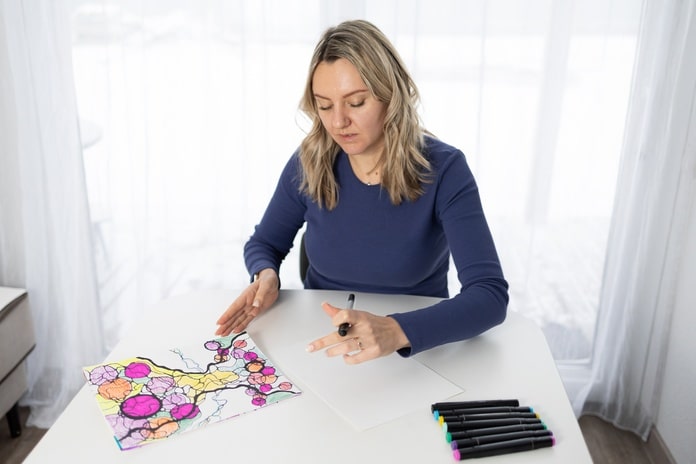
Creative hobbies allow you to express thoughts without pressure. You can explore ideas freely and enjoy the process instead of chasing perfection.
Some accessible creative hobbies include:
- Drawing or sketching simple objects
- Writing short journal entries each day
- Painting with basic supplies at home
- Trying photography with your phone
These activities improve focus and give you a safe outlet for emotions. You stay engaged while reducing mental clutter.
Hands-On Projects That Build Focus
Working with your hands can sharpen concentration and create a sense of accomplishment. Projects that require planning and small steps help you stay present.
For example, many people find satisfaction in making a garden railway. This hobby involves designing layouts, arranging tracks, and building small landscapes. It keeps your mind active while providing a relaxing and immersive experience.
Other hands-on hobbies include woodworking, knitting, and assembling models. Each project gives you clear goals and visible progress, which strengthens motivation.
Physical Hobbies That Boost Mood
Movement plays a key role in mental health. Physical hobbies improve energy levels and help regulate stress hormones. You do not need intense workouts to see benefits.
Consider activities such as walking, cycling, or yoga. These options fit easily into daily routines and do not require expensive equipment. Regular movement improves sleep and helps stabilize mood over time.
You can also join group activities like dance classes or recreational sports. Social interaction adds another layer of support and connection.
Social Hobbies That Reduce Isolation
Many people feel isolated, especially during busy or stressful periods. Social hobbies create opportunities to connect with others in a natural way.
You might join a book club, attend a local workshop, or participate in community events. These settings encourage conversation without pressure. You share interests with others, which makes interaction easier and more enjoyable.
Strong social connections support emotional resilience and reduce feelings of loneliness.
Building a Sustainable Routine
Consistency matters more than intensity. Start small and choose hobbies that fit your schedule. Even ten minutes a day can create meaningful change.
Set realistic expectations and avoid turning hobbies into obligations. Focus on enjoyment instead of performance. Over time, these activities become reliable tools that support your mental health and overall well-being.