The Connection Between Relaxation and Long-Term Wellness
Modern life often encourages constant activity, but wellness is not built through productivity alone. Rest and relaxation play an essential role in supporting physical, mental, and emotional health over time. While healthy eating, exercise, and natural remedies are commonly discussed, relaxation deserves equal attention as a foundation for lasting well-being.
Why Relaxation Matters
When the body experiences ongoing stress, it remains in a heightened state of alertness. Over time, this can affect sleep quality, energy levels, mood, and overall health. Relaxation helps counterbalance these effects by giving the mind and body opportunities to recover.
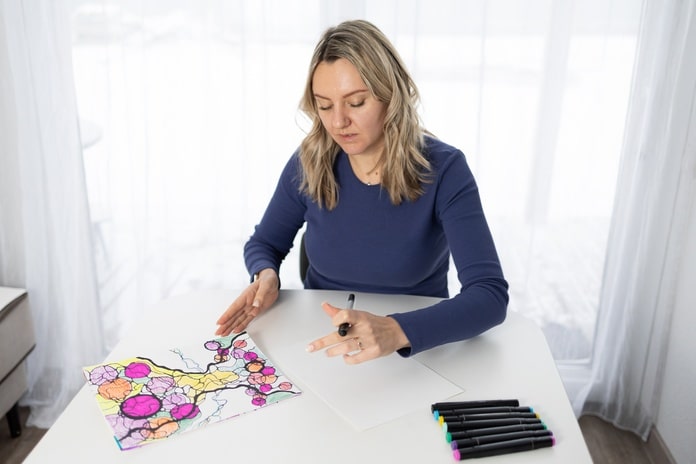
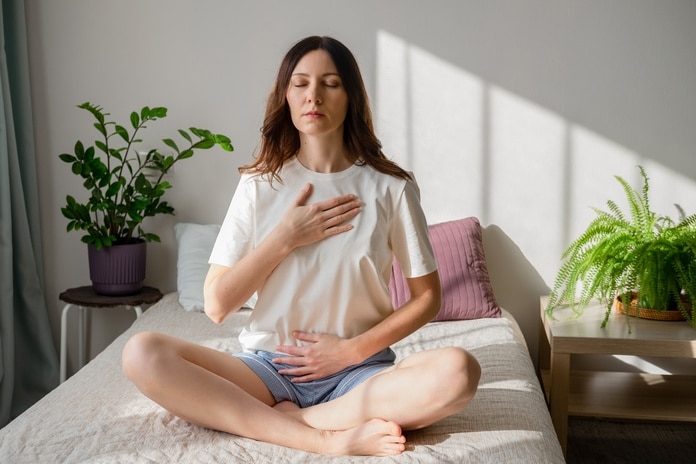
Simple practices, such as deep breathing, spending time outdoors, meditation, gentle stretching, and herbal tea rituals, can encourage a sense of calm. These activities support the body’s natural ability to regulate stress and restore balance. Developing consistent relaxation habits is one of the most effective ways to support the connection between relaxation and long-term wellness in everyday life.
The Role of Restorative Environments
The spaces people spend time in can significantly influence their ability to relax. A quiet reading corner, a peaceful garden, or a comfortable home retreat can make it easier to unwind after a busy day.
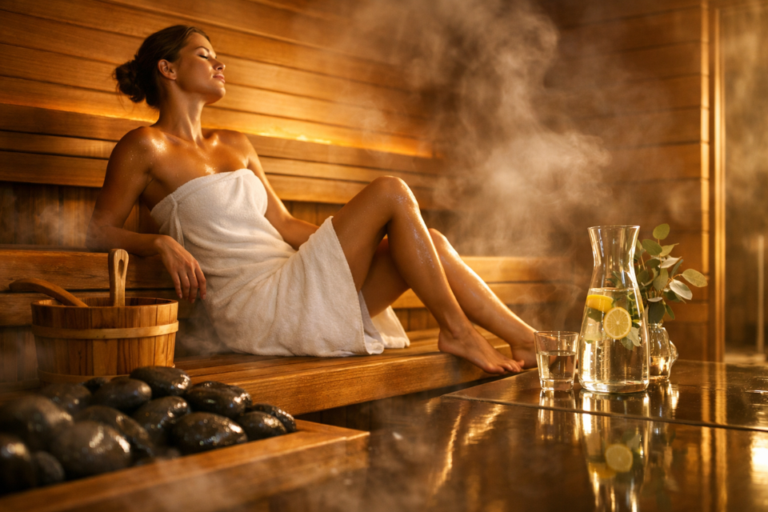
Creating a calming environment does not require major changes. Soft lighting, natural materials, soothing scents, and reduced digital distractions can all contribute to a more restorative atmosphere. Enhancing relaxation routines by creating a spa-like experience at home turns everyday spaces into calming retreats. The goal is to create opportunities for intentional rest rather than waiting until exhaustion sets in before taking action.
Relaxation and Healthy Lifestyle Habits
Relaxation often works hand in hand with other wellness practices. People who prioritize rest may find it easier to maintain healthy routines, make mindful choices, and stay consistent with positive habits. Quality sleep is a good example of this. Relaxation techniques before bedtime can help prepare the body for deeper, more restorative sleep. Better sleep, in turn, supports energy, focus, and recovery.
Similarly, calming activities can complement exercise and nutrition efforts by helping to reduce stress-related behaviors that may interfere with overall wellness goals. Some individuals also incorporate hydrotherapy and warm-water relaxation into their routines. Understanding practical considerations, such as selecting the appropriate setup for a home wellness space, can help create a comfortable environment for regular relaxation. For example, it is important to choose the right hot tub size for the space to ensure all other elements incorporated within the area fit as well.
Building Wellness for the Long Term
Long-term health is often shaped by small daily choices rather than occasional intensive efforts. Making time for relaxation supports resilience, encourages recovery, and promotes sustainable wellness habits.
Whether through meditation, nature walks, herbal traditions, or peaceful home environments, incorporating regular moments of rest can strengthen both physical and emotional well-being. By recognizing the connection between relaxation and long-term wellness, individuals can create healthier routines that support their overall quality of life.