The Pros and Cons of Growing Cannabis in Soil vs. Water
CBD has earned a spot in your daily routine because it makes your body and mind feel steady. These wellness benefits might have you seeking cleaner, more trustworthy CBD by controlling the plant and the process from start to finish.
New home growers want a simple setup that supports clean, predictable harvests for homemade CBD products. There are many pros and cons of growing cannabis in soil versus water. The growing method shapes flavors, aromas, plant vigor, and day-to-day plant care responsibilities. A practical solution starts with matching the grow style to the constraints of your home and the type of CBD products you want to create.
Growing Cannabis in Soil
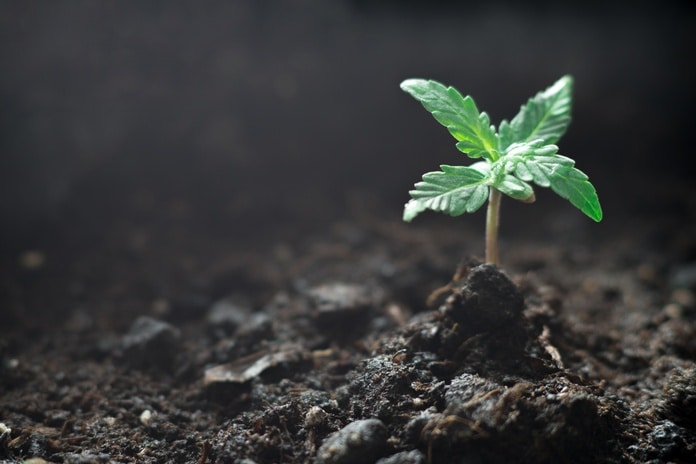
Soil suits growers who value a slow pace and forgiving margins. Quality soil supports a diverse root zone and buffers small feeding mistakes, which helps beginners keep up with consistent care.
Soil setups usually cost less up front because they don’t require reservoirs, pumps, or tubing. It fits naturally with organic inputs such as compost, worm castings, and gentle top-dresses. These features appeal to anyone who wants tight control over what ends up in a homemade CBD salve or tincture.
Remember that issues can arise when using soil. Overwatering triggers more problems than underfeeding, since soggy roots struggle to breathe. Pests like fungus gnats show up when wet potting mix and debris accumulate.
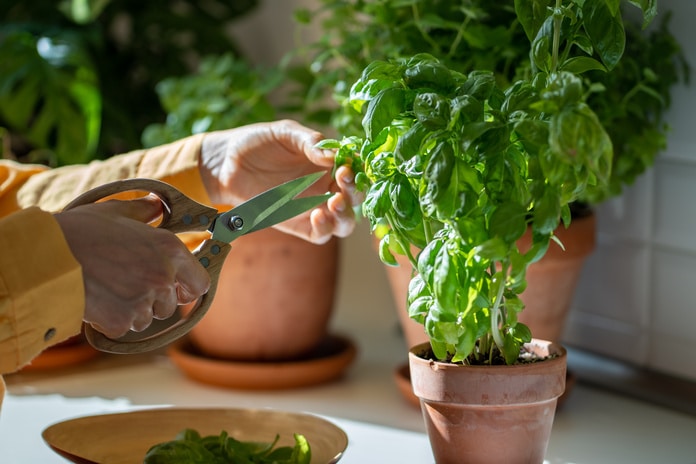
Soil growing will take up some space. This matters when cannabis shares shelves or floor space with basil or aloe. If you go this route, make sure you have plenty of room to nurture every plant in your home.
Growing Cannabis in Water
Water-based systems give people precise control over nutrients and root-zone conditions. Growers can maximize cannabis growth with hydroponics because the roots receive steady access to water, oxygen, and nutrients. The enhanced control makes it easy to detect and correct deficiencies quickly.
One factor that beginners must remember is that hydroponic systems demand regular attention. Small errors in water temperature, pH level, and cleanliness can escalate and hinder plant growth.
The system could take up some space, which may not be favorable for tight areas. If you want the cannabis plants to share the area with other plants, remember that excess humidity could attract pests and affect the plants’ progress.
How Each Method Affects Developing CBD Products
Growers who make CBD products at home prioritize purity and repeatability. Soil supports ingredient transparency through organic inputs and slower nutrient release. Hydro supports repeatability through measurement and control, so growers can produce consistent results from run to run.
The Best Method for Your At-Home Garden
An expansive grow room isn’t a must. Soil fits growers who want fewer moving parts and a calmer maintenance schedule. Hydro fits growers who enjoy routine testing and hands-on tuning. Mixed-plant spaces lean toward soil because separate reservoirs, splash risk, and shared humidity complicate hydro in crowded rooms.
Set expectations early. Both methods reward steady habits, clean tools, and spectrum lights to increase plant growth. Beginners get better results by tightening one variable at a time instead of chasing quick fixes.
Which Option Will You Choose?
The pros and cons of growing cannabis in soil versus water make it evident that there isn’t one overarching answer. The choice comes down to your lifestyle, space, and tolerance for daily upkeep. Pick the method that will fit your routine and produce incredible, homemade CBD products that invigorate your body and mind.