12 Okra Water Benefits for Women’s Health & Hormones
You’ve heard the buzz about okra water, but what’s real and what’s hype? You’ll learn how this simple infusion may steady blood sugar, ease PMS, support skin clarity, and offer gentle help through perimenopause. We’ll cover how it works, how to make it safely, and who should skip it. You’ll also see the nutrient edge—fiber, folate, antioxidants, magnesium, and potassium—and how they support hormones and energy. Ready to see where it actually fits in your routine?
What Is Okra Water and How It Works
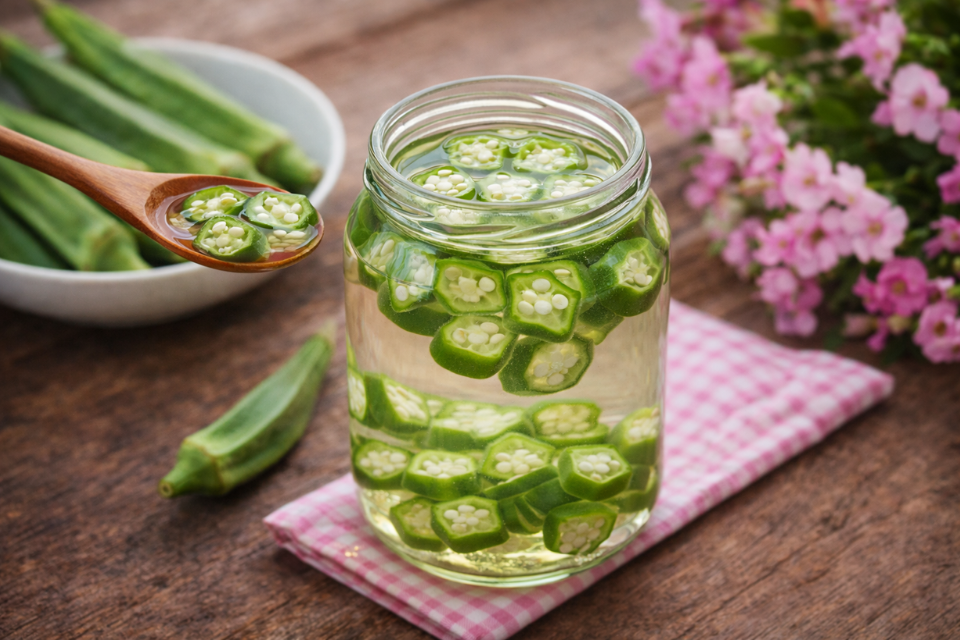
A simple infusion, okra water is made by soaking sliced or whole okra pods in water to extract their soluble fiber, mucilage (the gel-like substance), vitamins, and minerals.
You’ll typically steep the pods overnight, then drink the infused liquid and discard the solids. As you sip, the mucilage lightly thickens the water, carrying hydrophilic fibers that suspend in the drink.
These fibers interact with fluid in your gut, forming a gentle gel that slows gastric emptying and binds certain compounds. You can use room-temperature or cold water; agitation helps release more gel.
Flavor stays mild; add citrus slices if desired.
Top Benefits of Okra Water for Women (At a Glance)
Even in small, steady sips, okra water can offer women quick wins: gentler digestion, steadier post‑meal blood sugar, and better hydration with a touch of soluble fiber.
Small, steady sips of okra water support gentler digestion, steadier blood sugar, and hydration with soluble fiber.
You’ll also support satiety, which can help curb cravings between meals. Its mucilage may soothe gastric irritation, while antioxidants like quercetin and polyphenols help counter everyday oxidative stress.
Potassium supports healthy blood pressure alongside hydration. Folate aids preconception and early pregnancy needs. Subtle prebiotic effects can nurture a balanced gut microbiome, which links to mood and hormone metabolism.
Mild laxation helps regularity without harsh stimulants. Low‑calorie and mineral‑rich, it’s an easy, food‑first add‑on to your routine. Additionally, insights from ginger research suggest that antioxidant properties can support immune health and reduce inflammation, benefits that complement okra water’s nutrient profile.
How to Make Okra Water (Safely)
Two clean steps keep okra water safe and effective: prep and soak.
Rinse 3–5 fresh okra pods under running water, then pat dry. Trim stem tips without slicing into seeds to limit sliminess. Slice pods lengthwise or into coins. Place in a clean glass jar.
Add 12–16 ounces of filtered, cold water. Cover and refrigerate 8–12 hours; cold soaking curbs bacteria and off flavors.
In the morning, remove pods with clean tongs. Strain if you prefer less viscosity.
Drink promptly or within 24 hours. Discard if cloudy, fizzy, or sour. Wash all tools with hot, soapy water. Avoid if you’re allergic to okra.
Blood Sugar and Energy
With your jar prepped and chilled, the next question is what okra water might do for steady energy. You’re aiming for fewer crashes, clearer focus, and stamina that lasts.
Okra’s soluble fiber can slow glucose absorption, helping smooth post‑meal spikes. When blood sugar rises gradually, you’re less likely to feel jittery, then drained.
Okra’s soluble fiber slows glucose absorption, smoothing post-meal spikes for steadier, crash-free energy.
You can sip okra water alongside a protein‑rich breakfast or midafternoon to support more stable glucose patterns.
If you wear a CGM or track energy, note how you feel for two weeks. Don’t replace medications; discuss changes with your clinician, especially if you’re pregnant, breastfeeding, or managing diabetes.
Pairing okra water with meals that include antioxidant-rich foods like berries and leafy greens may further support steady energy by reducing inflammation that can disrupt glucose balance.
Digestion and Bloat Relief
You’re looking for a calmer belly and less bloat, and okra water can help.
Its prebiotic fiber feeds beneficial gut bacteria, supporting smoother digestion.
The gentle motility boost may ease constipation and reduce that tight, gassy feeling.
For extra support, sipping herbal options like peppermint tea can relax digestive muscles and help reduce bloating.
Prebiotic Fiber Support
Although it’s simple, sipping okra water can gently prime your gut with prebiotic fiber that feeds beneficial bacteria. You’re giving your microbiome the soluble fibers it craves, especially mucilage—those gel-like polysaccharides that help microbes flourish.
As these microbes ferment fibers, they produce short-chain fatty acids that support a balanced gut environment and help calm digestive discomfort.
You can steep sliced okra pods in cool water overnight, then drink in the morning. Start small and notice how your body responds. Pair it with a fiber-forward breakfast, hydrate well, and keep consistent.
Over time, you’ll nourish diversity, stabilize digestion, and feel lighter.
Gentle Motility Boost
One simple glass of okra water can nudge sluggish digestion without harsh laxatives. You’ll get a silky mix of soluble fiber and soothing mucilage that helps stool glide, eases dryness, and reduces straining.
Gentle motility support means less cramping and fewer urgent dashes. You also tame bloat. Okra’s prebiotic compounds feed gut microbes that produce short-chain fatty acids, which calm intestinal nerves and promote coordinated movement.
The hydration helps your colon retain just enough water for comfortable regularity. Sip in the morning or with a light meal, and pair with walking. You’ll encourage steady flow, flatter comfort, and predictable bathroom rhythms.
Hormone Support Across the Cycle
While your hormones naturally ebb and flow through each phase of the menstrual cycle, okra water may offer gentle support thanks to its fiber, antioxidants, and key micronutrients.
You’ll get soluble fiber that helps stabilize post-meal glucose and insulin, which can influence estrogen and progesterone balance. Folate supports healthy ovulation and luteal function.
Magnesium and potassium aid fluid balance and calm the stress response, which can impact hormone signaling. Polyphenols may help reduce oxidative stress that disrupts endocrine pathways.
Sip consistently through your cycle, pair with protein-rich meals, and prioritize sleep so your endocrine system stays resilient and responsive.
PMS Relief: Cramps, Mood, and Cravings
Because PMS can hit from several angles—cramps, mood swings, and sugar cravings—okra water offers gentle, multi-pronged support.
Its hydration and electrolytes help ease bloating and cramping, while the plant’s magnesium and potassium may relax muscles and steady nerves.
Soluble fiber slows sugar absorption, taming those late-afternoon highs and crashes that fuel cravings and irritability.
You’ll also get polyphenols that support balanced inflammatory responses, which can soften tenderness and headaches.
Sip a glass in the morning, and another with an afternoon snack rich in protein and healthy fats.
Stay consistent for a few cycles to notice patterns, then adjust timing and portions to your needs.
Folate for Preconception and Early Pregnancy
You want solid folate on board before conception, and okra water can help you meet that goal.
This B vitamin supports healthy neural tube development in the earliest weeks of pregnancy. It also backs DNA synthesis, helping cells form and function as your baby grows.
Neural Tube Development
Even before conception, getting enough folate matters because the neural tube forms in the first 3–4 weeks of pregnancy—often before you know you’re pregnant.
Adequate folate helps the tube close properly, reducing risks of spina bifida and anencephaly. You can pair your prenatal with folate-rich foods, and okra water offers a gentle, hydrating way to add folate alongside fluids.
If you’re trying to conceive, start daily folate now. Aim for consistency rather than occasional large doses.
Combine folate intake with balanced nutrition, steady hydration, and regular prenatal care. If you’ve had a neural tube defect–affected pregnancy, ask your clinician about higher folate.
DNA Synthesis Support
Folate doesn’t just protect the neural tube; it powers DNA synthesis and cell division during the earliest weeks of life.
If you’re trying to conceive or might become pregnant, you need steady folate on board before implantation. Okra water offers a gentle, food-based boost, supporting your daily intake alongside a prenatal.
You’ll use folate to replicate DNA accurately as the embryo’s cells multiply rapidly. Adequate intake helps maintain red blood cell production, reduces homocysteine, and supports placental development.
Drink okra water as part of a folate-rich pattern—leafy greens, legumes, citrus—and choose a methylfolate-containing prenatal. Start at least one month preconception for best support.
Skin Health: Acne, Glow, and Collagen Support
While evidence is still emerging, okra water may support clearer, brighter skin by hydrating from within and delivering antioxidant and anti-inflammatory compounds.
Okra water may hydrate within and deliver antioxidants for clearer, brighter, calmer skin
You’ll get polyphenols that help calm redness, plus mucilage that soothes and supports your skin barrier. Its vitamin C contributes to collagen formation, while gentle fiber may steady post-meal spikes that can aggravate breakouts.
Sip consistently and pair with a nutrient-dense diet.
- Notice fewer angry spots and quicker recovery after blemishes.
- Wake to a smoother texture and a soft, dewy sheen.
- Feel less tightness as your barrier holds moisture better.
- See firmer-looking skin as collagen support subtly accumulates.
Hydration and Electrolytes: Potassium and Magnesium
Because hydration isn’t just about water, okra water also delivers key electrolytes—especially potassium and a bit of magnesium—that help you hold onto fluid and keep cells firing.
You’ll support muscle function, steady nerve signaling, and a healthier heartbeat. Potassium helps balance sodium, easing bloat and promoting smoother circulation. Magnesium contributes to energy production and helps calm muscle cramps.
You can sip okra water alongside meals or after workouts to replace losses from sweat.
Strain the mucilage lightly if you prefer a thinner drink; the minerals remain. Pair it with a pinch of sea salt for ideal fluid balance and faster rehydration.
Perimenopause and Menopause Support
Beyond hydration, okra water can support you through perimenopause and menopause with nutrients that steady everyday symptoms. Its soluble fiber may help smooth blood sugar swings that worsen hot flashes and mood dips.
Folate and vitamin C back collagen and energy, while magnesium and calcium support sleep quality and bone health. Antioxidants combat oxidative stress tied to fatigue and inflammation.
- A calm, even morning without sugar crashes
- Fewer nighttime wake-ups and gentler hot flashes
- Steadier moods and clearer focus during busy afternoons
- Ongoing support for bones, skin elasticity, and heart health
Sip consistently, pair with protein and balanced meals, and monitor how you feel.
Who Should Skip It and Possible Side Effects
Even natural options like okra water aren’t right for everyone, and it can cause mild issues for some.
Skip it if you’re allergic to okra or other mallow-family plants. If you have diabetes or take blood-sugar medications, monitor closely—okra may modestly lower glucose and interact with meds. It can also reduce metformin absorption.
Allergic to okra or on diabetes meds? Use caution—okra may lower glucose and reduce metformin absorption.
If you form kidney stones, note its oxalates. Sensitive stomach? The mucilage may cause gas, bloating, or diarrhea.
On blood thinners? Okra’s vitamin K can affect clotting. Pregnant or breastfeeding? Use cautiously and ask your provider.
Start small, drink water, and stop if symptoms appear.
Frequently Asked Questions
Can I Combine Okra Water With Other Herbal Infusions or Teas?
Yes, you can combine okra water with herbal infusions or teas. Pair it with ginger, mint, lemon balm, or chamomile. Avoid diuretic or laxative blends. Start small, watch reactions, and consult your clinician if pregnant or medicated.
Does Soaking Time Change Nutrient Availability or Taste Significantly?
Yes. Longer soaking releases more mucilage, slightly boosts soluble fiber and some minerals, but may degrade vitamin C. You’ll notice thicker texture, mild sweetness, and a more vegetal taste. Refrigerate and limit soaking to 8–12 hours for balance.
Is Organic vs. Conventional Okra Important for Okra Water?
It’s not critical, but you might prefer organic to reduce pesticide residues and potential contaminants. If cost or availability’s an issue, wash conventional okra thoroughly, trim ends, and soak briefly. Prioritize freshness, firm pods, and clean water.
How Should Okra Water Be Stored and How Long Does It Stay Fresh?
Refrigerate it in a clean, sealed glass jar. Keep it 24–48 hours for best taste and safety. Avoid room temperature. Shake before drinking, discard if slimy, sour, or fizzy. Don’t reuse okra; make fresh batches.
Can Okra Water Interact With Common Supplements Like Iron or Probiotics?
Yes. Okra’s soluble fiber may modestly reduce absorption of iron, zinc, or some medications if taken together. Separate by 2–4 hours. Probiotics are generally fine. Watch for bloating. If you’re anemic or medicated, confirm with your clinician.
Conclusion
You’ve now got a simple, gentle tool to support your hormones and overall wellness. By sipping okra water, you may steady blood sugar, ease PMS, nourish skin, and stay hydrated with potassium and magnesium—especially helpful in perimenopause and menopause. Its fiber supports digestion and bloat relief, while antioxidants help reduce oxidative stress. Start small, prepare it safely, and listen to your body. If you’re pregnant, on medication, or have concerns, check with your healthcare provider first.