15 Oily Skin Care Routine Tips to Control Oil and Prevent Breakouts
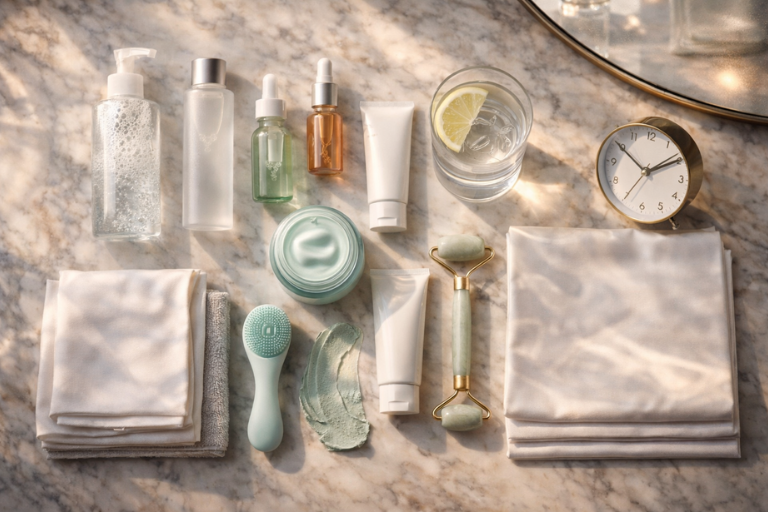
If shine and breakouts keep creeping back, you can take control with a simple, consistent routine. You’ll cleanse smart, tone without stripping, and use targeted acids to keep pores clear. Lightweight hydration, matte SPF, and weekly clay masks pull their weight. Then you’ll tackle midday oil, gym sweat, pillowcase hygiene, and small habits that quietly sabotage your skin. Ready to see which 15 tips make the biggest difference—and how to fit them into your AM/PM plan?
Your Quick AM/PM Oily-Skin Routine at a Glance
Ready to streamline your oily-skin routine?
In the morning, sweep on an alcohol-free toner with soothing witch hazel or aloe to remove lingering debris and refine pores with gentle acids like salicylic or glycolic.
Apply a lightweight niacinamide serum to curb oil and calm skin, then layer hyaluronic acid for shine-free hydration. Niacinamide also controls oil production by inhibiting sebaceous lipase, making it a powerful addition to your routine.
Smooth on lightweight niacinamide to curb shine, then layer hyaluronic acid for calm, balanced hydration.
Seal with an oil-free, non-comedogenic moisturizer, and finish with a broad-spectrum SPF 30+ matte sunscreen—zinc oxide or titanium dioxide keep you protected and fresh under makeup. Consistent daily sunscreen is essential because sun protection prevents UV-triggered inflammation that can worsen oiliness and post-acne marks.
At night, tone again to create a clean canvas, then target concerns: salicylic acid unclogs and controls buildup, while niacinamide evens texture.
Follow with a water-based, oil-free moisturizer.
Rotate nighttime treatments—retinoids for renewal, benzoyl peroxide for breakouts, or lactic acid serums—to prevent clogged pores.
Cleanse Twice Daily With a Foaming Gel for Oily Skin
Often, the simplest fix for oily, acne‑prone skin is cleansing twice a day with a foaming gel. Choose a gel made for normal to oily skin that removes excess sebum, dirt, and makeup without residue.
Modern formulas clean deeply, maintain your barrier, and instantly reduce shine—some show dramatic sebum drops after use. Morning cleansing clears sweat and oil; evening cleansing removes sunscreen, pollution, and buildup so follow-up actives work better. Foaming cleansers penetrate pores to lift impurities for a more thorough cleanse.
Don’t over-wash; gentle twice-daily use keeps sebum more stable.
Look for salicylic acid or willow bark to decongest pores, niacinamide to balance oil and calm, and ceramides or hyaluronic acid to prevent tightness. Avoid harsh sulfates like SLS.
Use a pea-sized amount, lather 1–2 minutes, rinse well, and pat dry.
- Feel refreshed
- See clearer skin
- Regain control
After Workouts: Quick Cleanse to Reset Oil and Sweat
You’ve nailed twice-daily cleansing; now keep pores clear by resetting right after workouts. Cleanse as soon as you can to lift sweat, oil, bacteria, and debris that would otherwise clog pores. Keep a toner like Vinopure on hand and sweep it over skin post-gym to remove residual oil and sweat while soothing flushed skin with its natural salicylic acid and organic grape water. Additionally, staying hydrated by drinking water can help maintain natural moisture levels in your skin.
Reset skin post-workout: cleanse ASAP to remove sweat, oil, bacteria, and pore-clogging debris.
Use a gentle, non-stripping cleanser with lukewarm water, then pat dry with a clean towel to limit irritation. If there’s no sink, blotting papers cut shine without overdrying, and micellar water or pre-soaked cleansing pads remove sweat and light makeup. Choose fragrance-free wipes for acne-prone or sensitive skin.
Ditch sweaty hats, headbands, or helmet liners quickly to reduce occlusion along the hairline.
Rebalance after cleansing. Apply a lightweight, oil-free, noncomedogenic moisturizer with hydrating ingredients like hyaluronic acid or glycerin.
Drink water to counter exercise-related dehydration, which can trigger compensatory oiliness and stress-induced sebum spikes.
Use 0.5–2% Salicylic Acid to Keep Pores Clear
Someone with oily, breakout‑prone skin benefits most from salicylic acid in the 0.5–2% range, where it can penetrate sebum, dissolve pore‑clogging debris, and calm inflammation without excess irritation. Certain foods can also exacerbate acne, so it’s beneficial to monitor your diet alongside your skincare routine.
Choose daily-use cleansers, toners, or leave‑ons in this window for steady pore clearing. At 0.5–1%, you’ll get effective comedolytic action with lower irritation risk; at 1–2%, expect stronger oil control and faster clarity. At-home chemical peels with salicylic acid can be a cost-effective way to achieve professional-level results when guided properly.
Because it’s oil‑soluble, salicylic acid slips into sebum, loosens the “glue” between dead cells, and prevents microcomedones.
With consistent use, you’ll see less shine, fewer clogged pores, reduced redness, and a tighter-looking texture. Start low, increase only as tolerated, and give it several weeks to show full results.
- Clearer pores, fewer surprises
- Calmer skin, less redness
- Matte confidence, all day
Exfoliate 2–3 Times Weekly: Avoid Overdoing It
While oily skin can handle more exfoliation than dry types, aim for a steady 2–3 times per week to keep pores clear without wrecking your barrier.
Start at the lower end, then increase only if your skin stays calm. Daily exfoliation risks inflammation and rebound oil. Regular exfoliation can also help prevent clogged pores and improve how well serums and moisturizers work.
Use gentle methods: mild chemical exfoliants or finely milled physical options.
Avoid harsh scrubs with jagged particles, heavy pressure, and layering multiple strong exfoliants in one routine.
Keep contact time short and focus on oilier zones like the T‑zone.
Watch for over‑exfoliation: redness, stinging, burning, tightness, or flaking.
If these show up, scale back, switch to milder formulas, and support your barrier with more moisturization.
Adjust frequency during retinoid use, benzoyl peroxide, or seasonal shifts.
Patch‑test and increase gradually.
Night AHA Treatment for Smoother, Balanced Skin
Even with oily, breakout‑prone skin, a well‑chosen night AHA can smooth texture, clear pore buildup, and balance shine without stripping.
After cleansing, apply a pH‑balanced leave‑on AHA before heavier creams. Opt for glycolic or lactic acid around 2–5%; combined blends can mimic higher strength gently. For a gentle option, consider an AHA blend at 2.5% that’s pH‑balanced to exfoliate while maintaining comfort.
Keep nightly use to lower strengths and save anything above ~10% for occasional nights. Choose lightweight, non‑comedogenic gels that include humectants (hyaluronic acid, glycerin), niacinamide for pore and oil balance, and soothing extracts with barrier‑supporting lipids.
Start on alternating nights, patch test first, and adjust as skin acclimates to maintain comfort and results.
- Feel relief as rough texture softens and pores look refined.
- Wake to calmer, balanced skin—less shine, more clarity.
- See post‑blemish marks fade into confidence.
Apply a Weekly Clay Mask to Absorb Excess Oil
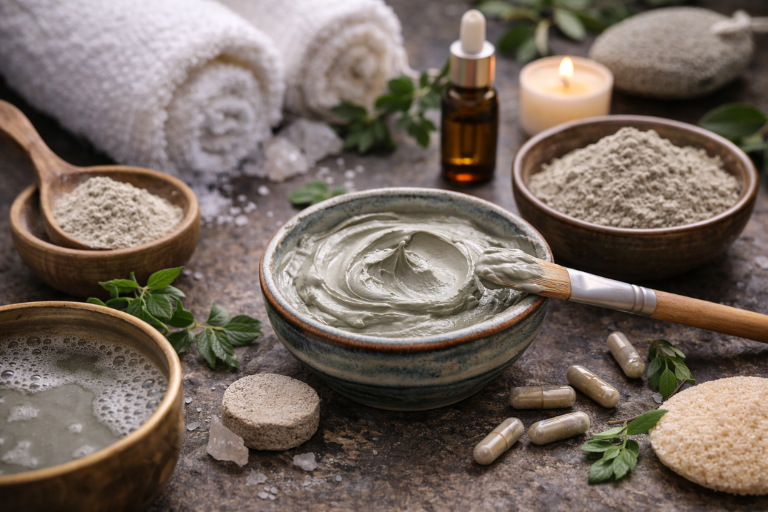
Once a week, smooth on a thin clay mask to cut surface shine and keep pores clear. Clay particles like bentonite, green clay, and kaolin act like sponges, adsorbing sebum, pollutants, and positively charged impurities. For best results, apply using a non-metal bowl and spoon to avoid altering the minerals.
As the mask dries, it gently lifts dead cells, clears follicular plugs, and helps reduce blackheads, whiteheads, and small pimples.
Apply to cleansed, dry skin in a light, even layer, avoiding eyes and lips. Rinse at the almost-dry stage to prevent irritation and barrier stress. Finish with a non-comedogenic hydrator to maintain balance and discourage rebound oil.
Choose bentonite for robust oil control, green clay for very shiny T-zones, and kaolin for combination skin. Look for soothing additives (aloe, glycerin, allantoin).
Patch test first and don’t overuse to avoid dryness.
Balance pH With an Alcohol-Free Toner for Oily Skin
After cleansing shifts your skin away from its natural acidity, an alcohol‑free toner helps bring pH back to the ideal 4.5–5.5 range so your barrier stays strong and breakouts are less likely.
You’ll calm the post‑wash spike that can favor harmful bacteria and oiliness. Choose a buffered, alcohol‑free formula so you restore balance without stripping lipids or provoking redness. This steadier pH supports normal enzyme activity, smoother cell shedding, and fewer clogged pores. Alcohol-free toners are gentler and help safeguard the skin’s barrier, reducing the risk of dryness and irritation for oily skin.
Look for a pH‑balancing base with gentle astringents (alcohol‑free witch hazel), BHA like salicylic acid for pore decongestion, plus humectants such as glycerin and soothing botanicals (aloe, oat, cucumber).
Swipe on with a cotton pad or press in with hands after cleansing, morning and night.
- Feel clean, not tight.
- See fewer bumps.
- Welcome real, lasting balance.
Hydrating Toners: Polyglutamic Acid or Niacinamide
With pH back in the sweet spot, reach for a hydrating toner that keeps oily skin quenched without weight.
Polyglutamic acid acts like a super-humectant, holding up to 4,000–5,000 times its weight in water to flood the surface with hydration without oil. Its thin film curbs transepidermal water loss, leaving skin smooth, supple, and less rough from dehydration. As a bonus, it’s a lightweight and non-greasy hydrator that enhances moisture without adding extra sheen.
Balanced hydration can also dial down compensatory sebum, refine the look of enlarged pores, and lower irritation-related breakouts.
Niacinamide brings regulation. At 2–5%, it reduces sebum output, calms redness, strengthens the barrier by boosting ceramides, and helps fade post-acne marks.
Prefer lightweight, water-based formulas to avoid congestion.
Can’t choose? Use a toner combining both: PGA boosts water and retention while niacinamide normalizes oil for steady, comfortable clarity.
Layer a Lightweight, Oil-Free Serum to Strengthen Skin
Even when skin feels slick, a lightweight, oil-free serum can steady hydration and reinforce your barrier without adding grease.
Choose water-based gels that absorb fast and sit cleanly under sunscreen and makeup, keeping shine in check. Humectants like hyaluronic acid pull in water, helping reduce compensatory oiliness and softening texture so pores and fine lines look less visible. Since over-cleansing or harsh products can damage the barrier, a serum that supports repair helps prevent rebound shine from increased oil production.
Look for barrier-supportive ingredients—ceramides to reduce transepidermal water loss and calm micro-inflammation, plus niacinamide to refine pores and temper excess sebum.
Non-comedogenic, oil-free labels help prevent congestion while maintaining a smoother, more matte finish throughout the day.
Apply after toner, before moisturizer. Consistent use builds resilience, so your skin tolerates actives and cleansers with less redness or dehydration.
Target Acne With Benzoyl Peroxide or Salicylic Spot Care
When a pimple pops up, reach for targeted spot care with benzoyl peroxide (BPO) or salicylic acid (SA) to shrink it fast and limit spread.
BPO kills Cutibacterium acnes by releasing oxygen radicals, reduces follicular bacteria quickly (noted within 2 days), and doesn’t breed resistance. It also helps loosen plugs. Use the lowest effective strength—2.5% works about as well as 5–10% with less irritation; apply a thin dab once or twice daily.
BPO oxygenates to kill acne fast; 2.5% works like stronger doses with less irritation.
Choose SA when clogged pores and redness dominate. Its oil-loving nature drives it into follicles to dissolve keratin plugs, calm inflammation, and offer mild antimicrobial support.
Spot it on clean, dry skin and let it dry fully. If skin stings or peels, reduce frequency or alternate BPO and SA.
Lock in Moisture With a Gel, Non-Comedogenic Moisturizer
Though your skin feels oily, it still needs moisture—so reach for a lightweight, water-based gel moisturizer labeled non-comedogenic.
Gel textures soak in fast, leave no film, and keep skin comfortable and plump without heavy oils or waxes. This balance helps prevent pore blockages and reduces the risk of whiteheads, blackheads, and pimples.
Look for humectants like hyaluronic acid, glycerin, and panthenol to pull in water; ceramides to support the barrier; and niacinamide to curb shine and calm redness.
When your barrier’s hydrated, sebaceous glands naturally dial back oil. Mattifying and oil-absorbing agents keep your complexion fresh, not greasy, while soothing allies—aloe, green tea, chamomile, licorice, or tea tree—quiet irritation.
- Feel light, clean, and confident.
- See clearer, calmer skin.
- Enjoy all-day balanced comfort.
Wear a Matte, Non-Greasy SPF 30+ Every Morning
Start every morning with a broad‑spectrum, matte SPF 30+ that feels dry‑touch, not greasy. You’ll shield skin from UVA ageing and UVB burning while keeping shine down. SPF 30 blocks about 97% of UVB; SPF 50 blocks about 98%, so SPF 30 is adequate when you apply enough.
Use about a nickel-sized amount for your face (~2 mg/cm²) to reach the labeled protection. Consistent SPF helps prevent post-acne hyperpigmentation, dark spots, tanning, and photoageing like fine lines, enlarged pores, and rough texture that stand out on oily skin.
Choose oil-free, non-comedogenic, fragrance-free formulas labeled “matte finish,” “dry-touch,” and “for oily/acne-prone skin.”
Look for silica, dimethicone, or Airlicium to absorb sebum, blur pores, and create a lightweight, smooth, barely-there feel that adheres in heat and humidity.
Tame Midday Shine With Blotting and Mattifying Makeup
Even with a solid morning routine, midday shine can creep in—so keep quick, non-disruptive tools on hand.
Stash fragrance-free, dye-free blotting papers made from rice paper, linen, or cellulose. Press and gently pat your T‑zone, sides of the nose, and chin; don’t rub. Use multiple sheets if needed, then add a thin veil of mattifying powder or setting spray. Blot first to prevent cakey buildup and extend foundation wear in heat and humidity.
Remember, blotting is a cosmetic quick fix: it lifts surface oil but doesn’t change sebum production, so shine may return within hours.
Choose smoother papers, avoid irritating additives, and use single-sheet dispensers to reduce contamination. Skip powder-laden sheets if you’re acne-prone.
Daily Habits That Cut Shine and Breakouts (Touch, Sleep, Water)
Blotting and mattifying help on the go, but your everyday habits decide how shiny and breakout‑prone you’ll be. Start by limiting face touching—your hands transfer dirt, oil, and acne‑causing bacteria.
Skip chin‑resting, forehead rubbing, and pimple picking to avoid inflammation and marks. Clean your phone daily and use headphones; pressing a dirty screen to your cheek fuels jawline breakouts.
Wash or sanitize hands before cleansing, skincare, or makeup, and retrain habits with reminders or fidget tools.
Prioritize 7–9 hours of consistent sleep. Good sleep steadies hormones, lowers inflammation, and regulates oil.
Wind down with breathing or stretching, not screens; avoid late high‑glycemic or dairy snacks.
Keep pillowcases clean—change them 1–2 times weekly, wash with fragrance‑free detergent, and use breathable cotton or bamboo.
Hydrate well; limit sugary drinks.
Frequently Asked Questions
Can Diet Changes Reduce Oiliness or Trigger Breakouts?
Yes. You can curb oiliness by choosing low‑glycemic foods, boosting omega‑3s, and limiting dairy. These stabilize insulin, calm inflammation, and reduce sebum. Track triggers, adjust gradually, and stay consistent; your skin often reflects what you eat and drink.
How Does Stress Influence Sebum Production?
Stress boosts your HPA axis, raising CRH, ACTH, cortisol, and androgens that signal sebaceous glands to make more sebum. You’ll see oilier skin, altered lipid composition, inflammation, and “stress acne,” especially with poor sleep, masks, or disrupted routines.
Do Hormonal Cycles Make Oily Skin Worse?
Yes. Your hormonal cycle can worsen oiliness: rising progesterone and pre-period testosterone boost sebum, while lower estrogen removes suppression. You’ll notice shinier skin and more clogged pores in the luteal phase, often leading to blackheads and breakouts.
Are Facial Oils Ever Appropriate for Oily Skin?
Yes—if you choose lightweight, non-comedogenic oils. You’ll support your barrier, curb dehydration-driven shine, and calm irritation. Pick squalane, jojoba, or rosehip; avoid heavy, oleic-rich, or fragranced oils. Patch test, use 1–2 drops, and stop if breakouts worsen.
Can Prescription Options Help When Over-The-Counter Fails?
Yes. When OTCs fail, you escalate. You’ll benefit from topical retinoids, benzoyl peroxide–antibiotic combos, or hormonal agents; for severe cases, isotretinoin dramatically cuts sebum and lesions. Consult a dermatologist to tailor potency, address scarring risk, and monitor safety.
Conclusion
You’ve got a clear, simple playbook to keep oil in check and breakouts at bay. Cleanse smart, sweep on salicylic acid, exfoliate a few times a week, and seal it with a lightweight moisturizer and matte SPF. Reset after workouts, blot midday, and pick non-comedogenic makeup. Protect your pillowcase, hands off your face, hydrate well, and prioritize sleep. Stick with it consistently and you’ll see smoother texture, fewer clogged pores, and a balanced, shine-controlled glow.