5 Cold-Busting Benefits of Elderberries for Winter Immunity
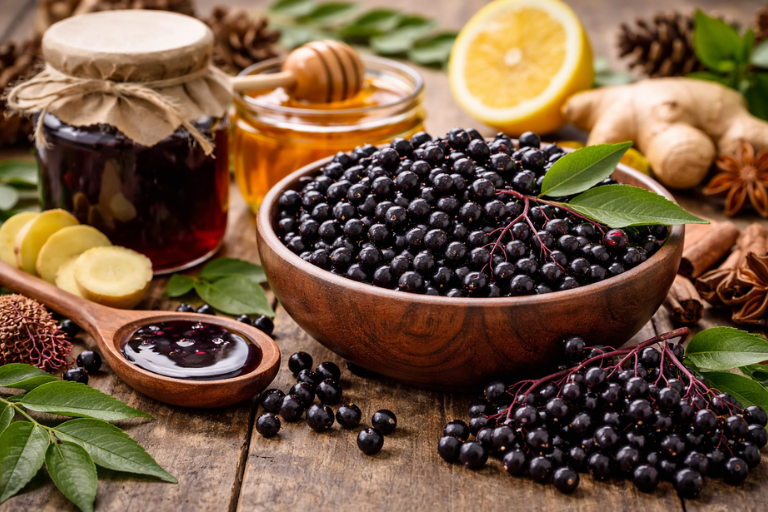
When you’re facing repeated winter colds, elderberries can seem like more than just a trendy remedy. Research suggests they might shorten how long you feel sick, ease symptoms, and even support your immune defenses when they’re under strain. You can also fit them into your routine through syrups, teas, or supplements. But elderberries don’t work like typical cold medicine, and that’s where it gets interesting.
Do Elderberries Really Help With Colds?
Although elderberries have a long history in folk medicine, modern research suggests they really can make a difference with colds—just not as a miracle cure. When you take standardized elderberry extracts at the first sign of symptoms, studies show your cold may resolve sooner and feel less intense. In a randomized, double-blind trial of airline passengers, those taking elderberry had significantly fewer cold symptom days and milder symptom scores than those taking placebo.
In controlled trials, people using elderberry had fewer total sick days and reported much milder symptom scores than those on placebo. Vitamin C is often recommended alongside elderberry to further enhance immune support during illness.
You’re not just imagining the relief. Black elderberry is rich in anthocyanins and other polyphenols that help modulate immune activity.
Lab studies show elderberry extracts can directly inhibit certain respiratory viruses and some bacteria, while their vitamins and antioxidants support overall immune defense.
Different forms—syrups, liquids, lozenges—have all shown benefits.
What Studies Say About Colds, Flu, and Travel
Research backs up the idea that elderberry can help you feel better faster, but the details matter. In small trials, elderberry lozenges and syrups shortened the duration of cold and flu-like symptoms, especially respiratory discomfort. Recent systematic reviews suggest elderberry appears safe and do not support fears that it overstimulates the immune system. Additionally, incorporating citrus foods into your diet may further enhance your immune response.
Some studies found no benefit, though, so you can’t count on it to prevent or cure every cold.
For influenza A and B, clinical trials of Sambucol® showed symptoms easing about four days earlier than placebo, with fewer complications and less need for rescue medication.
Again, the evidence looks promising but not definitive.
If you travel, elderberry might offer modest help. In one study of 312 travelers, those taking elderberry had about half the cold-episode days of the placebo group, though the difference wasn’t statistically significant.
How Elderberries Affect Your Immune System
When you take elderberry, you’re not just swallowing a sweet, dark syrup—you’re introducing a concentrated mix of anthocyanins, flavonoids, and other polyphenols that directly interact with your immune system. These compounds also reflect a long tradition of use in seasonal wellness, now backed by modern interest in their immune-supporting potential.
These compounds act as antioxidants, helping you neutralize free radicals that can weaken immune cells and irritate tissues. Together, they shape how strongly and how cleanly your body responds to a winter bug.
- Boost antioxidant defenses: Anthocyanins and flavonoids work together to limit oxidative stress that can drag down immune function. Additionally, botanical supplements can further enhance these effects by providing complementary nutrients.
- Dial down excess inflammation: Extracts can reduce pro‑inflammatory cytokines like IL‑6 and TNF‑alpha.
- Support balanced immunity: They modulate, rather than overstimulate, your immune response.
- Protect vulnerable tissues: By curbing inflammation, they help reduce collateral tissue damage during infections.
Are Elderberries Safe for Colds and Flu?
Even with their long history in traditional medicine, elderberries aren’t automatically safe in every form or for everyone. Raw or unripe berries, plus leaves, stems, and roots, contain cyanide-producing compounds and poisonous alkaloids that can trigger severe nausea, vomiting, or diarrhea, and large uncooked amounts may be life-threatening.
Properly cooked and processed products like standardized syrups, juices, and supplements remove these toxins and appear generally safe when you use them as directed.
Other antioxidant-rich foods such as berries and vegetables can also support overall health and immunity, so you don’t need to rely on elderberry alone. Still, you can experience mild side effects, including diuretic effects or allergic reactions, so you should stop if you notice itching, rash, or swelling.
There’s limited safety data in pregnancy, breastfeeding, autoimmune disease, immunocompromised kids, and for people on liver-metabolized drugs, so always check with your healthcare provider first.
Best Ways to Take Elderberries for Colds
Knowing that properly prepared elderberry products are the safest choice, you can focus on how to use them in ways that actually support you through cold season.
Different forms let you match elderberry to your routine and symptom pattern. A randomized clinical trial in airline travelers found elderberry helped reduce the duration and severity of cold-like symptoms.
1. Elderberry juice or syrup
Add a splash of concentrate to water daily, then, at the first symptoms, take about 15 mL syrup up to four times daily to shorten colds and support faster recovery.
2. Elderberry tea
Brew dried berries or flowers and sip a hot cup, especially at night, to relax and ease upper respiratory discomfort.
3. Capsules or supplements
Use standardized extract (around 600–900 mg) around travel or outbreaks for preventive support and milder symptoms.
4. Elderberry lozenges
Let lozenges dissolve slowly for portable, throat-focused relief while complementing other elderberry forms.
Frequently Asked Questions
Can Children and Older Adults Safely Use Elderberry for Winter Immunity?
You can sometimes use elderberry for children over 1 and older adults, but you must ask their doctor first. Don’t replace vaccines or hygiene, watch for medication interactions, cook products properly, and stop if any side effects appear.
How Does Elderberry Compare With Vitamin C or Zinc for Colds?
You’ll find elderberry may shorten respiratory symptoms similarly to vitamin C, though evidence’s limited. Zinc can cut cold duration and severity more, but it’s riskier long-term. You’ll generally use elderberry short-term; zinc and vitamin C need careful dosing.
When During the Year Should I Start Taking Elderberry for Prevention?
You should start elderberry in early autumn and continue through winter. You can also take it year-round, begin about 10 days before travel or high‑risk exposure, and use it at the first sign of symptoms.
Can I Use Elderberry Alongside Common Cold and Flu Medications?
You can usually use elderberry with common cold and flu meds, since major interactions aren’t known. However, avoid it with immunosuppressants or autoimmune disease, watch combo formulas (like echinacea), and always confirm with your healthcare provider.
Are Certain People More Likely to Benefit From Elderberry Than Others?
Yes. You’ll most likely see benefit if you’re a healthy child over 5, an adult air traveler, or an older adult. You shouldn’t use it for infants or high‑risk conditions without your provider’s guidance.
Conclusion
As you head into cold and flu season, elderberries can be a smart ally in your wellness routine. They may help shorten colds, ease symptoms, and give your immune system an antioxidant boost. Focus on cooked, properly prepared products—like syrups, lozenges, or teas—and follow package directions. Most importantly, check with your healthcare provider, especially if you’re pregnant, nursing, or on medications, so you can use elderberries safely and effectively for winter immunity.