Cinnamon Water for Weight Loss: 6 Morning Routine Benefits
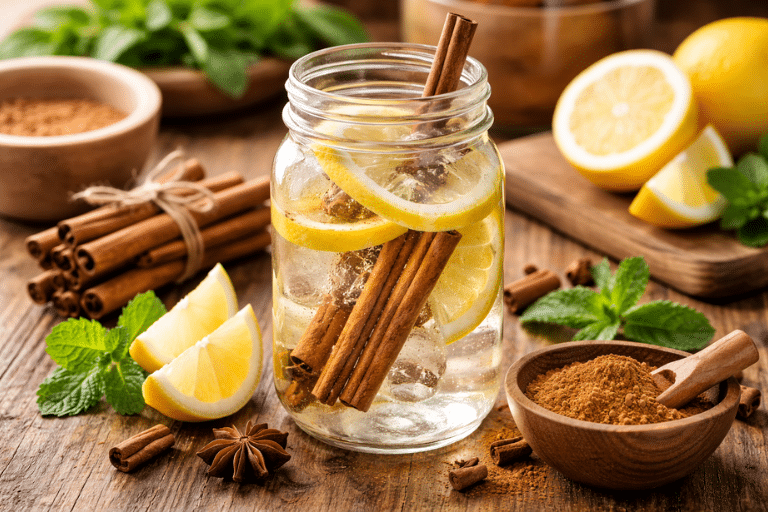
If you’re looking to lose weight without extreme diets, adding cinnamon water to your morning routine might surprise you. This simple drink can help steady your blood sugar, reduce cravings, and support a more efficient metabolism. It may even play a role in appetite control and gut health, setting you up for better choices all day. But to get real results, you’ll need to understand how it works—and how to use it wisely.
Cinnamon Water And Weight Loss: What The Research Shows
Although cinnamon water sounds like a simple home remedy, there’s a surprising amount of research exploring cinnamon’s impact on body weight, fat loss, and metabolism.
When you regularly take water-soluble cinnamon extract, studies show your body fat can drop slightly (about 0.7%) while lean mass creeps up (around 1.1%), likely through better glycogen storage and glucose uptake in muscle.
One clinical trial in people with metabolic syndrome found that 500 mg per day of water‑soluble cinnamon extract over 12 weeks modestly reduced fasting blood glucose and improved systolic blood pressure. Additionally, cinnamon’s antioxidant properties may further enhance metabolic function and overall health.
Research on whole cinnamon finds modest but meaningful changes in your scale weight and BMI. Across multiple meta-analyses, people typically lose about 1–2 kg over several weeks, with stronger effects when you use more than 1.5 g per day for up to two months, especially if you’ve got metabolic issues.
Blood Sugar Balance With Cinnamon Water: Fewer Cravings, Steadier Energy
When your blood sugar swings up and down, you feel it as sudden hunger, carb cravings, and energy crashes—and cinnamon water directly targets those swings. Cinnamon’s water‑soluble compounds act a bit like insulin, helping your cells pull glucose out of your bloodstream more efficiently.
Studies show that even about half a teaspoon daily can cut fasting blood sugar by around 10–24%. In people with insulin resistance and metabolic syndrome, cinnamon has also been shown to improve insulin sensitivity, which can support steadier blood sugar and fewer cravings over time. Additionally, incorporating botanical supplements may further enhance your immune function during winter months.
Metabolism Boost: How Cinnamon Water May Help You Burn More Fat
Even though cinnamon water won’t magically crank your metabolism into overdrive, its active compounds do appear to nudge your body toward burning a bit more fat. Cinnamaldehyde, the main active ingredient, can trigger thermogenesis in fat cells, pushing them to convert stored energy into heat and slightly increase calorie burning.
Research on cinnamon extracts shows they directly influence fat cell metabolism. They boost genes and enzymes involved in lipid oxidation, while dialing down lipogenesis, so you’re more likely to burn fat than store it.
Cinnamon also improves insulin signaling and glucose uptake, which indirectly supports better fat use. Human trials with concentrated extracts report small but meaningful drops in body fat and modest gains in lean mass—effects that cinnamon water may echo more gently. Additionally, incorporating antioxidant-rich foods into your diet can further enhance your metabolic health and reduce inflammation.
Appetite Control: Stay Fuller And Snack Less With Cinnamon Water
Cinnamon water doesn’t just influence how you burn fat; it also seems to affect how much you want to eat. By slowing the digestion of carbohydrates, it helps prevent sharp blood sugar spikes that trigger urgent cravings and overeating. When you drink it in the morning, your glucose levels tend to stay steadier, so you’re less likely to reach for snacks just to “fix” an energy crash.
Cinnamon may also improve insulin sensitivity, which helps your body use glucose efficiently instead of shuttling it into fat stores. Better insulin signaling can support satiety signals in your brain, making it easier to stop eating when you’re actually full. Some trials even report reduced binge‑eating scores and appetite in people using cinnamon regularly.
However, at least one controlled study found that cinnamon infusion was associated with reduced satiety and higher energy intake at the next meal, showing that its impact on appetite can vary.
Gut Health And Antioxidants: Extra Ways Cinnamon Water Supports Fat Loss
Beyond its effects on appetite and blood sugar, cinnamon water also works quietly in your gut and cells to create a body environment that’s friendlier to fat loss. Its natural antimicrobial compounds help balance your gut bacteria, while stimulated digestive enzymes improve breakdown of food and absorption of nutrients you need for a steady metabolism. Animal studies suggest cinnamon can calm IBS-type symptoms, reduce abdominal discomfort, and tighten the gut barrier, lowering inflammation that often stalls weight loss.
Cinnamon’s antioxidants—like catechin, procyanidins, and cinnamic acid—combat oxidative stress that damages cells, blood vessels, and metabolic pathways. In addition, its anti-inflammatory properties may further ease joint discomfort and support more consistent physical activity that complements fat loss.
How To Make Cinnamon Water, When To Drink It, And Stay Safe Daily
Once you understand how cinnamon water works in your body, the next step is knowing exactly how to make it, when to drink it for the best fat-loss support, and how to use it safely every day. Add 1–2 Ceylon cinnamon sticks (or ½–1 teaspoon powder) to 1–4 cups water. Boil, then simmer 5–20 minutes until it turns brownish-red. Cool to lukewarm, strain well, then add a teaspoon of honey or lemon only if you tolerate them. You can also chill the concentrate and serve it over ice for a refreshing drink.
Drink a glass first thing in the morning on an empty stomach, then between meals to curb cravings and support blood sugar.
Sip it warm after meals for extra satisfaction. Limit yourself to 1–2 sticks per day and talk to your doctor if you have diabetes or take insulin.
Frequently Asked Questions
Can Cinnamon Water Interact With Common Medications Like Diabetes or Blood Pressure Drugs?
Yes, it can. You risk unsafe drops in blood sugar or blood pressure, reduced drug effectiveness, and added liver stress. You should always ask your doctor before mixing cinnamon water with diabetes or blood pressure medications.
Is Cinnamon Water Safe During Pregnancy or While Breastfeeding?
It’s only likely safe in small, food‑level amounts; you shouldn’t use cinnamon water as a treatment while pregnant or breastfeeding. Avoid high-dose supplements and cassia excess, and always check with your obstetrician or pediatric provider first.
Does the Type of Cinnamon (Ceylon Vs Cassia) Matter for Daily Use?
Yes, it matters. You should pick Ceylon for daily use because it’s far lower in coumarin and safer long term. Use Cassia only occasionally, in small amounts, to avoid potential liver and toxicity risks.
Can Children or Teens Drink Cinnamon Water for Weight Management?
Yes, but only in small amounts and under adult or medical guidance. You shouldn’t rely on it for weight loss. Focus on balanced meals, activity, sleep, and avoid “cinnamon challenges” or high-dose supplements.
How Long Can I Safely Drink Cinnamon Water Continuously for Weight Loss?
You can usually drink cinnamon water daily for several months if you keep intake near 0.5–1 teaspoon (2–4 g) of mainly Ceylon cinnamon. Don’t exceed 4 g/day; monitor symptoms and check with your doctor.
Conclusion
When you add cinnamon water to your morning routine, you give your body a gentle, science-backed boost for weight loss. You’ll steady your blood sugar, curb cravings, and support a healthier metabolism from the start of your day. Its antioxidants, gut-friendly benefits, and appetite-calming effects all work together to make fat loss more sustainable. Pair your cinnamon water with balanced meals, movement, and good sleep, and you’ll create momentum toward long-term results.