12 Burdock Root Benefits for Detox, Skin & Blood Health
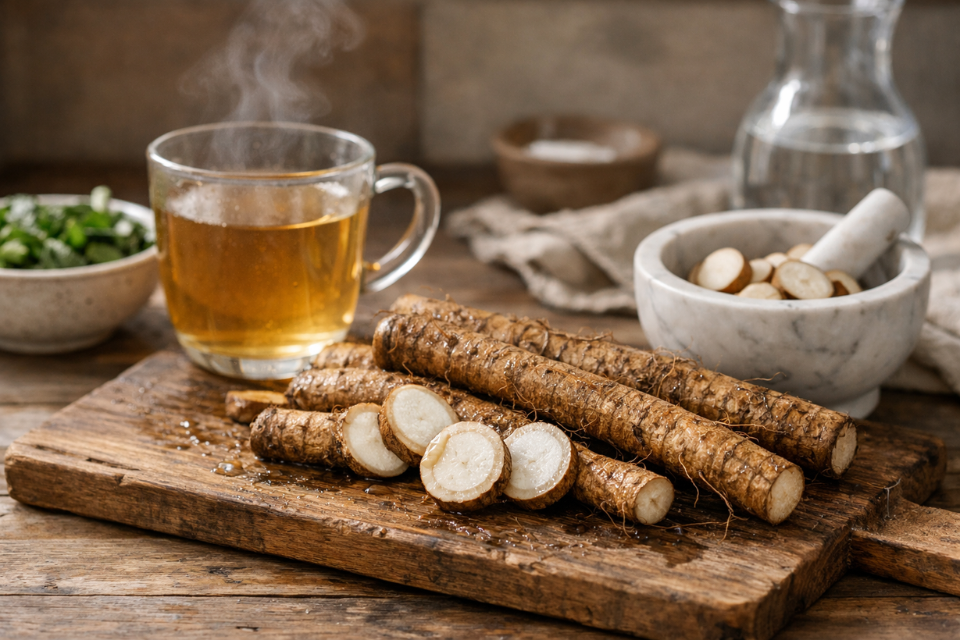
You’ve likely heard burdock root praised for detox, clearer skin, and “blood cleansing,” but what’s actually behind the claims? From antioxidants like quercetin to prebiotic inulin, it may support your gut, liver, and glucose balance—while offering antimicrobial and circulation benefits. You’ll also want to know how to use it safely, what dose makes sense, and who should avoid it. Before you add it to your routine, here’s what matters most—and what doesn’t.
Burdock Root: What It Is and How It Works
Earthy and slightly bitter, burdock root is the taproot of the Arctium plant, long used in East Asian and European herbal traditions. You’ll find it as a food, tea, tincture, or capsule.
It’s rich in inulin, a prebiotic fiber that feeds beneficial gut bacteria and supports regularity. You also get mucilage and pectin, which soothe and bulk stools.
Burdock’s actions center on gentle diuresis and supporting bile flow. You may pee a bit more and digest fats more comfortably. Traditional use links it with clearer skin and a “cleaner” feeling.
You’ll typically simmer slices, steep dried root, or take standardized extracts.
Burdock Antioxidants: Quercetin, Lignans, More
While you might reach for burdock to aid digestion, its antioxidant profile deserves equal attention.
You’ll find quercetin, luteolin, and phenolic acids that neutralize free radicals and help modulate inflammation. Burdock also delivers lignans and chlorogenic acid, which support healthy oxidation-reduction balance and may protect lipids and DNA from oxidative stress.
You get inulin too, a prebiotic fiber that indirectly bolsters antioxidant defenses via gut-derived metabolites. The plant’s polyacetylenes add further scavenging potential.
Together, these compounds help your cells manage daily stressors—from metabolism to environmental exposures. Choose standardized extracts or fresh root preparations to capture consistent antioxidant potency.
Burdock Root for Clearer Skin
Even if you first think of burdock for digestion, it also supports clearer skin from the inside out. You help your complexion when you support the liver’s natural detox pathways and encourage steady elimination.
Burdock’s prebiotic fibers feed beneficial gut flora, which can reduce internal triggers that show up as dullness or congestion. Incorporating probiotic-rich foods alongside burdock can further support gut balance and reduce bloating, enhancing overall skin clarity.
You can drink a roasted-root tea, add slices to soups, or take a standardized extract as directed. Start low and increase gradually while you monitor your skin.
Stay hydrated, prioritize sleep, and pair burdock with vitamin C–rich foods. If you’re pregnant, on diuretics, or allergic to asters, talk to your clinician.
Burdock Root’s Antimicrobial Effects in Skin and Gut
Burdock fights more than dull skin—it targets microbes that disrupt balance in your gut and on your complexion. You benefit from its phenolic acids, lignans, and inulin-rich root, which show activity against Staphylococcus aureus, P. acnes, and certain Candida species.
On skin, extracts help reduce breakout-causing bacteria while calming redness. You can brew burdock root tea or use standardized extracts to support microbial balance.
Burdock extracts calm redness and curb breakout bacteria; tea or standardized extracts support microbial balance.
Topical preparations—toners, serums, or diluted compresses—may assist with blemish-prone or congested areas. Start low, patch test, and monitor for sensitivity, especially if you’re allergic to daisies or ragweed.
If you take diuretics or anticoagulants, discuss burdock with your clinician.
Burdock Root as a Prebiotic for Gut Health
You’ll find burdock root rich in inulin, a prebiotic fiber that feeds beneficial gut bacteria.
By nourishing these microbes, you support better microbiome balance and digestive resilience.
Add it thoughtfully to your routine to help promote regularity and overall gut health.
Inulin Prebiotic Power
Although it’s best known as a detoxifying root, its real gut-health star is inulin—a soluble fiber that feeds beneficial bacteria.
You absorb fewer calories from inulin, yet it nourishes your colon cells by generating short-chain fatty acids. It also slows gastric emptying, helping you feel fuller longer and steadying post-meal blood sugar.
You can tap burdock’s inulin by simmering fresh root in soups, stir-fries, or teas, or by using a standardized extract.
Start small—about 1–2 grams daily—to reduce gas or cramping, then increase as tolerated. Drink water to support fiber’s movement.
If you’re FODMAP-sensitive, trial low doses cautiously.
Ginger’s prebiotic-friendly compounds can complement burdock by supporting digestive health, including motility and reduced bloating.
Supports Microbiome Balance
While detox claims get the spotlight, the real microbiome perk comes from burdock root’s prebiotic fibers—especially inulin—that selectively feed beneficial bacteria like Bifidobacteria.
As these microbes ferment inulin, they produce short-chain fatty acids like butyrate, acetate, and propionate that lower gut pH, strengthen the intestinal barrier, and curb opportunistic pathogens. You may notice more regularity and less bloating as your microbial community stabilizes.
Start low to reduce gas, then increase gradually. Pair burdock with fermented foods to diversify species. Choose minimally processed teas, decoctions, or powdered root.
If you have FODMAP sensitivity or take diuretics, monitor tolerance and consult your clinician.
For additional immune support, consider including citrus foods rich in vitamin C, which help increase white blood cell production.
Burdock Root and Inflammation: What Studies Show
Even if the research is still developing, studies suggest burdock root may help tamp down inflammation through multiple pathways.
You’ll see polyphenols like chlorogenic acid and quercetin linked to reduced inflammatory markers in cell and animal models. Extracts appear to inhibit NF-κB activation, COX-2 expression, and nitric oxide production, which can blunt cytokines such as TNF-α and IL-6.
Preliminary human data are limited, but small trials report improvements in inflammatory scores and oxidative stress markers.
You might also benefit from its antioxidant capacity, which indirectly curbs inflammation by limiting free-radical signaling.
Choose standardized extracts, monitor responses, and discuss potential interactions with your clinician.
Liver Health and Burdock Root: Evidence Check
Despite its long history in traditional medicine, burdock root’s liver claims rest on modest modern evidence.
You’ll find small animal and cell studies suggesting antioxidant, anti-inflammatory, and potential hepatoprotective effects, but human trials are scarce and underpowered.
Don’t expect it to “detox” your liver; your liver already detoxifies efficiently when you support basics: diet, sleep, and limited alcohol.
- Evidence: Preliminary, mostly preclinical; human data are limited and mixed.
- Mechanisms: Polyphenols may reduce oxidative stress and modulate CYP enzymes—unconfirmed in people.
- Safety: Generally well tolerated; watch for allergies and diuretic or anticoagulant interactions.
- Practical use: Consider as adjunct, not replacement; discuss dosing with a clinician.
Lymph Flow and Puffiness: Can Burdock Root Help?
You might wonder if burdock root supports lymphatic drainage and helps your body clear fluid more efficiently.
Some users report less facial puffiness when they add it to their routine, though results can vary.
Here’s what to know about how it may influence lymph flow and visible swelling.
Lymphatic Drainage Support
While headlines about “lymphatic detox” surge, the real question is whether burdock root can meaningfully support lymph flow and reduce puffiness.
You’re looking for evidence-backed support, not hype. Burdock root contains lignans, inulin, and antioxidant phenolics that may modulate inflammation and fluid balance.
Traditional use frames it as an alterative—supporting filtration via lymph nodes and skin. Early lab findings suggest mild diuretic and anti-inflammatory actions, which could complement lymphatic function, though clinical trials remain limited.
- Choose standardized extracts or well-sourced teas.
- Start low; assess tolerance.
- Pair with hydration and movement.
- Avoid if pregnant, allergic, or on diuretics.
Reducing Facial Puffiness
Morning puffiness often reflects fluid shifts, salt intake, sleep position, and mild inflammation—and that’s where burdock root may fit. Its traditional use targets lymph flow and mild diuresis, helping your body move excess fluid and reduce that “pillow face” look.
You might notice softer contours when you pair burdock with hydration, lower sodium, and gentle facial massage.
Choose standardized burdock root capsules or a tea; start low and track your response. Cycle use if you’re sensitive to diuretics.
Don’t combine with potassium‑wasting drugs, blood thinners, or if you’re pregnant, allergic to daisies, or have kidney issues. Consult your clinician.
Burdock Root for Blood Sugar Support
Although it’s better known as a liver and skin ally, burdock root also shows promise for blood sugar support by slowing carbohydrate digestion, improving insulin sensitivity, and modulating gut microbes.
You’ll find its inulin fiber helps blunt glucose spikes and promotes satiety, while antioxidants may calm low-grade inflammation tied to insulin resistance.
Consider how you might use it alongside balanced meals and movement.
- Choose preparations: teas, decoctions, or cooked root.
- Time doses with meals to temper postprandial glucose.
- Pair with protein and fats for steadier curves.
- Monitor levels; adjust with your clinician, especially if you take diabetes medications.
Circulation and “Blood Purifier” Claims: What’s Real?
Despite burdock’s long history as a “blood purifier,” modern evidence points to a narrower, clearer story: its diuretic, antioxidant, anti-inflammatory, and mild vasodilatory actions may indirectly support circulation and metabolic waste clearance, but it doesn’t literally cleanse your blood.
You may experience better microcirculation because nitric-oxide–linked vasodilation can help blood flow. Antioxidants like quercetin and chlorogenic acids may reduce oxidative stress that stiffens vessels.
Anti-inflammatory effects can ease endothelial irritation, supporting healthier vascular tone. Diuresis helps your kidneys move fluid and metabolites, which can influence how “light” you feel.
Bottom line: burdock supports cardiovascular housekeeping, not magical detox.
How to Use Burdock Root Safely (Forms, Dose, Timing)
Used thoughtfully, burdock root can be a safe addition to your routine, but the form and dose matter.
Used thoughtfully, burdock root can be safe—just match the form and dose to your needs.
Choose preparations that suit your goals and schedule, then build consistency. Standardize on reputable products and track how you feel.
- Teas: Steep 2–6 grams dried root in hot water for 10–15 minutes, 1–3 cups daily.
- Tinctures: Use 1–2 mL (1:5, 40–60% alcohol) up to three times daily; place under tongue or in water.
- Capsules: Take 500–1,000 mg standardized root, once or twice daily with meals.
- Fresh food: Add peeled root to soups or stir-fries; start with small portions.
Hydrate well; reassess after 2–4 weeks.
Who Should Avoid Burdock Root and Drug Interactions
Before you try burdock root, consider whether you’re pregnant or breastfeeding, as you shouldn’t use it without your clinician’s approval.
If you’ve had allergies to plants like ragweed, daisies, or chrysanthemums, watch for sensitivity or avoid it.
Also check your medications—burdock may interact with diuretics, blood thinners, and diabetes drugs.
Pregnancy And Breastfeeding Risks
If you’re pregnant or breastfeeding, skip burdock root because safety data in these groups is lacking and the plant can be contaminated with look‑alike toxic species.
You shouldn’t rely on traditional use here—modern trials haven’t confirmed safety, dosing, or purity. Burdock may also alter blood sugar and fluids, which can complicate pregnancy care and postpartum recovery.
If you’ve already used it, inform your clinician and monitor for symptoms.
- Discuss all supplements with your prenatal provider.
- Avoid tinctures; alcohol content adds risk.
- Watch for hypoglycemia if you have gestational diabetes.
- Choose diet and clinician‑approved prenatal supplements instead.
Allergy And Sensitivity Concerns
Though many people tolerate burdock root, some should avoid it entirely. If you’re allergic to daisies, ragweed, chrysanthemums, or marigolds (Asteraceae family), you may react to burdock.
Stop use if you notice itching, hives, swelling, or trouble breathing, and seek care immediately for severe symptoms. Avoid it if you’ve had contact dermatitis from related plants.
You should also skip burdock if you’re sensitive to diuretics, have chronic kidney issues, or struggle with dehydration or low blood pressure, as its diuretic effect may worsen these.
Choose reputable sources—misidentified wild burdock can be contaminated with belladonna-like plants, posing serious risks.
Medication Interaction Warnings
While burdock root is popular in teas and supplements, it can interact with several medications and isn’t safe for everyone.
If you take drugs that affect blood sugar, clotting, or kidney function, use caution. Burdock may lower glucose, thin blood, and act as a diuretic, potentially intensifying medication effects.
- Diabetes meds/insulin: Risk of hypoglycemia; monitor and adjust with your clinician.
- Anticoagulants/antiplatelets (warfarin, aspirin, clopidogrel): Increased bleeding risk; avoid unless supervised.
- Diuretics and lithium: Possible dehydration or lithium toxicity; don’t combine.
- Pregnancy, breastfeeding, or upcoming surgery: Avoid due to limited safety data and bleeding concerns.
Always consult your healthcare provider.
Frequently Asked Questions
Can Burdock Root Affect Fertility or Menstrual Cycles?
Yes, it can potentially influence cycles and fertility. You might experience altered flow, timing, or cramps due to hormonal or uterine effects. Don’t use it if pregnant or trying to conceive; consult your clinician before starting.
Is Burdock Root Safe During Pregnancy or Breastfeeding?
It’s not considered safe in pregnancy or breastfeeding due to limited data and potential uterine effects. Avoid it. If you’re using it, stop and consult your obstetrician or pediatrician about safer alternatives and possible herb–drug interactions.
Does Burdock Root Cause Sun Sensitivity or Skin Photosensitivity?
Yes, it can. Burdock root may increase photosensitivity in some people, especially with high doses or topical use. You should limit sun exposure, wear sunscreen, and stop use if you notice rashes, burning, or unusual redness.
Can Pets Safely Consume Burdock Root Supplements?
No, don’t give pets burdock root supplements without a vet’s guidance. You could trigger vomiting, diarrhea, hypoglycemia, or herb–drug interactions. If a vet approves, use pet-specific formulations, correct dosing, and monitor closely for adverse reactions.
How Should Burdock Root Be Stored to Preserve Potency?
Store burdock root in an airtight container, away from light, heat, and moisture. Keep whole dried roots cool and dark; refrigerate fresh root wrapped loosely. Avoid humidity. Don’t freeze powdered forms. Use within 6–12 months for potency.
Conclusion
You’ve got a versatile ally in burdock root. Its antioxidants, prebiotic inulin, and antimicrobial compounds work together to support clearer skin, steadier blood sugar, and a healthier gut-liver axis. You’ll also get help with circulation and oxidative stress, reinforcing overall resilience. If you try it, choose quality sources, start low, and mind interactions—especially if you’re pregnant, on diuretics, blood thinners, or diabetes meds. Use teas, tinctures, or capsules consistently, and pair with a balanced diet for best results.