6 Heart-Healthy Benefits of Cashews (And How Many to Eat Daily)
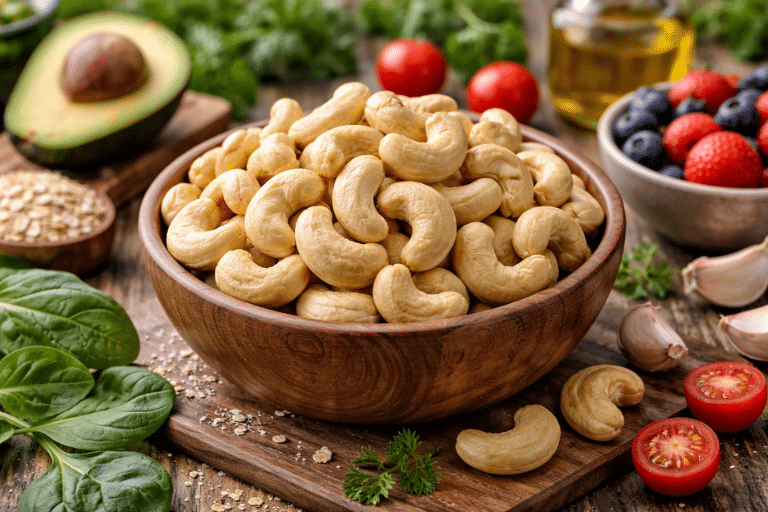
If you enjoy cashews, you’ll be glad to know they can do more than just satisfy a snack craving. These buttery nuts may help lower “bad” LDL cholesterol, support healthy blood pressure, and even play a role in reducing heart disease risk. But there’s a catch: portion size and preparation matter. Before you grab another handful from the jar, it’s worth knowing how many cashews actually support your heart—and when they might backfire.
Are Cashews Good for Your Heart?
Surprisingly, cashews can be powerful allies for your heart, thanks to their mix of antioxidants, healthy fats, fiber, and minerals. Their antioxidants help you fight oxidative stress that contributes to atherosclerosis and the hardening of arteries. By easing this damage, cashews support overall cardiovascular protection, similar to other tree nuts like almonds and walnuts. Additionally, regular walnut consumption can lower LDL cholesterol and promote healthy blood pressure, further demonstrating the heart-healthy benefits of nuts.
You also get anti-inflammatory benefits. Regular nut intake’s linked to lower inflammation and less swelling in blood vessels, which helps them stay flexible and healthy. Cashews’ magnesium, plant sterols, fiber, and vitamins all play a role here. Research shows that regularly eating cashews may help lower LDL cholesterol compared with eating common snack foods like potato chips.
Cashews may help your blood pressure, too. L-arginine, magnesium, and omega-3s support healthier vessels and lower hypertension risk, which translates to fewer heart attacks and strokes over time.
How Cashews Lower LDL and Triglycerides
Even though cashews taste rich and indulgent, they actually tend to nudge your cholesterol numbers in the right direction—especially when you eat them instead of highly processed snacks.
Cashews may taste decadent, but they quietly help improve cholesterol—especially when they replace ultra-processed snack foods.
When you swap 1–2 ounces of cashews for chips or refined carbs, studies show total cholesterol drops about 4–5%, with LDL often falling 8–12% in nut-focused diets. In one clinical trial, adding cashews or cashew oil to a calorie‑restricted diet led to improvements in cardiometabolic markers, including lower LDL and atherogenic indices.
Here’s how cashews help your LDL and triglycerides:
- Healthier fats: Their monounsaturated and polyunsaturated fats replace saturated fats, lowering LDL while stearic acid remains mostly neutral. They are essential for maintaining heart health and can provide additional benefits when consumed regularly.
- Plant sterols and fiber: These interfere with cholesterol absorption, helping push LDL down.
- Overall lipid profile: Cashews may modestly reduce triglycerides and Apo B, improving atherogenic markers even when triglyceride changes aren’t dramatic.
How Cashews Affect Blood Pressure and Circulation
Although cashews are best known for helping cholesterol, they also quietly support healthier blood pressure and smoother circulation. Their tryptophan converts into metabolites that enter your bloodstream and act directly on blood vessels, easing inflammation and supporting healthier arterial function. These compounds, along with serotonin derived from tryptophan, may influence platelet activity and clot formation, factors tied to hypertension and heart failure.
These benefits are complemented by antioxidant protection that helps neutralize free radicals and reduce oxidative stress on blood vessels. Human studies back this up. Meta-analyses of randomized trials show cashew intake can lower systolic blood pressure by about 3–4 mm Hg, a clinically meaningful drop, with especially clear benefits in people with type 2 diabetes. One meta-analysis of randomized clinical trials also found that cashew consumption significantly reduces triglycerides, another blood marker linked to cardiovascular risk.
Diastolic pressure changes look smaller and inconsistent so far. Meanwhile, cashews’ antioxidants help counter oxidative stress, slowing the arterial stiffening that impairs circulation.
Can Cashews Reduce Heart Attack and Stroke Risk?
Cashews do more than nudge blood pressure in the right direction; they also line up several factors that can lower your odds of a heart attack or stroke. Studies show cashews trim triglycerides by about 14 mg/dL and slightly reduce systolic and diastolic pressure—changes that, over time, ease strain on your arteries. Their magnesium content also supports healthy blood vessel function and may contribute to better blood sugar control, both important for long-term heart protection.
You also gain protection from their heart-smart fats and bioactive compounds.
When you eat cashews, you:
- Replace saturated fats with mono- and polyunsaturated fats tied to fewer heart disease cases.
- Take in plant sterols and fiber that help improve cholesterol balance and cut triglycerides.
- Benefit from omega‑3s and L‑arginine, which calm inflammation, support vessel flexibility, and make clot-forming platelets less sticky.
How Many Cashews Should You Eat Daily?
So how many cashews should you eat each day to help your heart without overdoing the calories? For most adults, aim for about 1 ounce (28–30 grams) daily—roughly 15–20 cashews, or a small handful.
That portion delivers heart-healthy fats, protein, and energy without overwhelming your calorie budget. Unsalted cashews are generally best, since they support heart health without adding excess sodium.
That serving offers heart-healthy fats, protein, and steady energy while still respecting your daily calorie limits
If you’re watching your weight, tighten the range to about 10–15 cashews per day. Since cashews are calorie-dense, going much above 30–40 nuts daily can quickly lead to excess calories, digestive discomfort, and, for some, higher oxalate intake.
Very active people or those trying to build muscle can go up to 2 ounces if it fits their total calories.
If you’re prone to kidney stones, keep portions under 1 ounce.
Heart-Healthy Ways to Add Cashews to Your Diet
When you know how to use them, cashews fit easily into a heart-focused eating pattern without feeling restrictive. Rotate them through meals so you’re getting steady unsaturated fats, magnesium, and plant sterols all day.
- Salads & main dishes: Toss raw or roasted cashews into leafy green or quinoa salads with olive oil dressing, or stir-fry them with vegetables and lean protein, tofu, or lentil curries to support healthy cholesterol, triglycerides, blood pressure, and stroke prevention. Regularly including cashews in these meals can contribute to a 27% lower risk of cardiovascular disease over time.
- Snacks: Choose plain roasted cashews instead of high-carb snacks, or pair them with apples or yogurt to stabilize blood sugar and protect arteries.
- Smoothies & baked goods: Blend soaked cashews into green or berry smoothies, or add them to oatmeal bakes, granola bars, and energy balls for anti-inflammatory, lipid-lowering benefits.
Frequently Asked Questions
Are Roasted or Raw Cashews Better for Heart Health?
Raw and lightly dry-roasted cashews both support heart health, but you’ll get a slight edge from dry-roasted for digestibility and antioxidant activity. Choose unsalted, avoid high-heat or oil roasting, and eat about 1 ounce daily.
Do Salted Cashews Still Provide Heart Benefits?
Yes, salted cashews still help your heart because fats, magnesium, antioxidants, and fiber stay intact. You just need to limit sodium: choose lightly salted, keep portions small, and balance them with mostly unsalted nuts overall.
Can People With Diabetes Safely Eat Cashews for Heart Health?
Yes, you can. You’ll generally tolerate cashews well with diabetes, as they’re low in carbs and support insulin sensitivity, HDL, and blood pressure. Keep portions moderate (about 30g daily) and avoid sugary or heavily salted varieties.
Are Cashew Allergies Linked to Heart-Related Reactions?
Yes. If you’re allergic, cashews can trigger severe heart‑related reactions: dangerous drops in blood pressure, abnormal heartbeats, collapse, and anaphylaxis. Even tiny amounts may cause life‑threatening symptoms, so you’d need strict avoidance and rapid adrenaline use.
How Do Cashews Compare With Almonds or Walnuts for Heart Protection?
Cashews help your heart, but walnuts usually protect it most, thanks to omega‑3s, while almonds excel for cholesterol and artery health. You’ll do best eating a small mixed handful daily, replacing red or processed meat.
Conclusion
Cashews can be a powerful ally for your heart when you eat them in moderation. By enjoying about 1 ounce (15–20 unsalted nuts) a day, you’ll support healthier cholesterol, steadier blood pressure, and better overall circulation. You also get nutrients that help with weight control, strong bones, and healthy skin and hair. Add cashews to salads, stir-fries, or snacks, and you’ll nourish your heart while enjoying a satisfying crunch.