7 Amazing Benefits of Drinking Ajwain Water on an Empty Stomach for Weight Loss
If you’re looking for a simple habit to support weight loss, ajwain water on an empty stomach might be worth your routine. It can nudge your metabolism, ease bloating, and steady post-meal sugar swings—thanks to compounds like thymol. You may also notice less water retention and better satiety, which can curb snacking. But how does it work, what’s the right dose, and who should skip it?
What Is Ajwain Water? Quick Benefits and Science
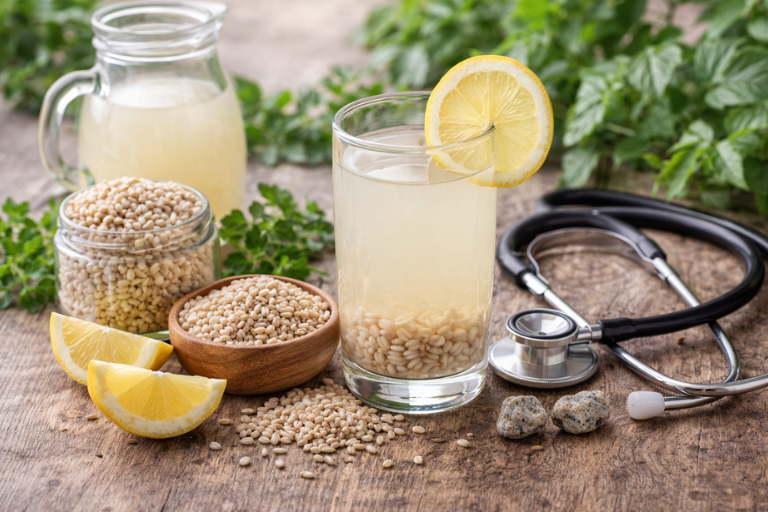
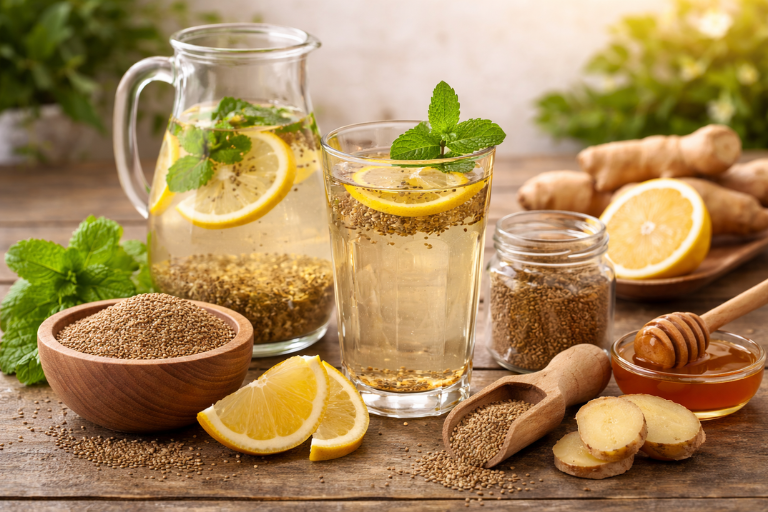
Ajwain water is a simple digestive drink you make by boiling or soaking carom (ajwain) seeds—Trachyspermum ammi from the Apiaceae family—in water. You only need two ingredients: seeds and water.
Ajwain water: a simple, two-ingredient digestive drink made by boiling or soaking carom seeds in water.
The seeds’ essential oils—rich in thymol (35–60%), plus para-cymene, gamma-terpinene, and beta-pinene—drive its digestive effects. You’ll feel lighter because its carminative action eases gas, reduces bloating, and relieves acidity by helping balance stomach pH. It can also support constipation relief by promoting gut motility and smoother bowel movements. Consuming ajwain water may also enhance fiber-rich diet benefits when combined with high-fiber foods.
Thymol stimulates gastric secretions, supports gut motility, and improves appetite, so meals move smoothly without fermenting. Its antimicrobial properties also help protect gut flora.
To prepare, boil 1 teaspoon seeds in 1 cup water for 5–10 minutes, or soak overnight, then strain. Drink it warm on an empty stomach.
Avoid during pregnancy and breastfeeding.
Does Ajwain Water Boost Metabolism?
Now that you know how ajwain water aids digestion, the next question is whether it actually speeds up metabolism. Yes—primarily due to thymol, the active compound in ajwain. Thymol stimulates gastric secretions and boosts stomach acids, which can accelerate overall metabolism and enhance calorie burn.
It also modulates carbohydrate metabolism: ajwain oil inhibits α-amylase and α-glucosidase, with up to 91.67% α-glucosidase inhibition at 4 µL/ml and an IC50 near acarbose. This helps blunt post-meal sugar spikes and supports better glucose handling, including enhanced uptake in muscle cells. Thymol may also act like a calcium channel blocker, relaxing blood vessels and supporting healthy blood pressure.
Drinking ajwain water on an empty stomach adds zero calories, supports toxin flushing, and may improve nutrient absorption, aiding satiety.
Still, expect modest effects—reviews suggest slight metabolic lift. It’s a helpful nudge, not a standalone weight-loss solution.
Can Ajwain Water Improve Digestion and Reduce Bloating?
Wondering if a simple spice water can calm your stomach and tame the bloat? Ajwain water can. Its carminative action helps release trapped intestinal gas, easing discomfort and flatulence.
Thymol in ajwain stimulates gastric juices and digestive enzymes, so you break down food better and prevent gas formation in the first place. You may notice smoother stomach emptying and improved acid flow, which supports nutrient absorption and reduces that heavy, post-meal feeling. Additionally, incorporating antioxidant-rich foods into your diet can further enhance digestion and reduce inflammation.
Thymol-rich ajwain boosts digestive juices, smooths stomach emptying, and eases that heavy, post-meal feeling
Ajwain’s antimicrobial effects also matter. Thymol fights harmful bacteria like E. coli and Salmonella while supporting beneficial microbes, helping curb gut infections that trigger indigestion and bloating. It’s also low in calories, making it a diet-friendly choice that supports weight management.
It can promote regular bowel motility, easing sluggish digestion, abdominal ache, and colic. With consistent use, you’ll experience steadier digestive rhythm and a flatter-looking belly from less bloating.
Does Ajwain Water Act as a Mild Diuretic?
While it isn’t a quick fix for fat loss, ajwain water can act as a mild diuretic, helping you shed excess salt and water that contribute to puffiness and scale fluctuations.
By promoting urine output, it reduces water retention and supports your body’s natural detoxification processes. Quality sleep is also crucial for maintaining overall health and can enhance the effects of ajwain water on weight loss.
Thymol—ajwain’s key compound—appears to influence fluid balance, and extracts of the seeds show diuretic-linked activity in research.
Traditional reports and modern reviews also list diuresis among ajwain’s therapeutic actions.
Limited human evidence, including milk-based seed decoctions for urinary stone care, suggests favorable diuretic-like outcomes, while animal data indicate fluid-regulating effects. Regular intake may also support cholesterol management, potentially contributing to heart wellness.
To try it, drink one glass of warm ajwain water on an empty stomach.
Use moderation, especially if you have liver issues, and seek medical advice if you’re on diuretics or have kidney concerns.
Will Ajwain Water Help You Manage Appetite or Weight?
Even though ajwain water isn’t a magic fat burner, it can support appetite control and weight management by improving how you digest and use food.
Its thymol-rich compounds mildly boost metabolism and thermogenesis, helping you burn calories more efficiently while stimulating bile for fat breakdown.
You’ll also feel fuller: ajwain’s fiber, strong flavor, and warming effect signal satiety and curb late-night cravings.
Additionally, its antimicrobial action supports oral health and may help prevent bad breath.
How to Make and Use Ajwain Water (Dosage, Timing)
To get the most from ajwain water, prepare it simply and drink it warm at the right times.
For the boiling method, add 2 teaspoons ajwain seeds to 1 glass (or 2 cups) water, bring to a boil on medium heat, then simmer 5–10 minutes. Drinking plenty of water throughout the day alongside ajwain water supports overall hydration and complements its digestive benefits.
Switch off the flame, strain, and let it cool to lukewarm. Optionally stir in 1–2 teaspoons honey.
For an overnight soak, steep 1 teaspoon ajwain in a glass of water, strain in the morning, and drink.
Or soak 1 teaspoon ajwain with 1 teaspoon jeera in 2 cups water overnight, then boil 5–7 minutes and strain.
As a quick roast infusion, dry-roast ½ teaspoon ajwain until fragrant, crush, steep in hot water 10 minutes, and strain.
Drink 1 warm glass on an empty stomach each morning; sip slowly and repeat daily.
Safety, Side Effects, and Who Should Avoid It
After you’ve learned how to prepare and time your ajwain water, it’s smart to check safety and limits. Moderate intake is generally safe, but excess can backfire. Ajwain stimulates gastric secretions and generates heat, so too much may trigger acidity, reflux, gas, bloating, or heartburn.
High doses of thymol can cause dizziness, nausea, or vomiting, and some people develop mouth ulcers from heat buildup. Start small to gauge tolerance. Ajwain is rich in thymol and carvacrol, compounds linked to strong antiseptic effects and digestive actions.
Avoid ajwain water if you’re pregnant, have peptic ulcers, active gastritis, reflux, diverticulitis, ulcerative colitis, or liver disease. It’s not advisable if you’re on blood pressure medication or have low blood pressure.
Allergic reactions can include rashes, respiratory discomfort, or skin irritation; do a patch test topically. When in doubt, consult your doctor before regular use.
Frequently Asked Questions
Can I Combine Ajwain Water With Lemon, Honey, or Cumin?
Yes, you can. Combine ajwain water with lemon for digestion and fat oxidation, honey for gentle sweetness and appetite control, or cumin for metabolism and bloating relief. Start mornings with one mix, rotate weekly, and monitor tolerance.
Does Ajwain Water Interact With Common Medications or Supplements?
Yes. You should watch for interactions with blood thinners, antihypertensives, antacids, and diabetes drugs. Ajwain may alter clotting, blood pressure, acidity, and glucose. Monitor symptoms, check levels, and consult your clinician before regular use or high doses.
Is Ajwain Water Safe During Breastfeeding or Postpartum Recovery?
Yes, with moderation. You can sip ajwain water postpartum for gas relief and possible lactation support, but avoid large amounts. Because it may stimulate the uterus, consult your healthcare provider before regular use, especially with medical conditions or medications.
How Long Before Results Appear and How to Track Progress?
You’ll notice early satiety and less bloating within days, flatter belly in a week, and weight changes by 15–20 days. Track weekly weight, waist, digestion, energy, appetite, and daily intake; journal meals to link habits with progress.
Can Athletes or Active Individuals Benefit Differently From Ajwain Water?
Yes—you can benefit differently. You’ll leverage thermogenic metabolism, improved digestion, and better nutrient absorption to fuel training, sustain energy, and enhance recovery. Expect reduced bloating, antioxidant support, and respiratory relief, potentially improving endurance, comfort, and post-workout repair when paired with balanced nutrition.
Conclusion
You’ve seen how ajwain water can support your weight goals: it may nudge metabolism, ease bloating by aiding digestion, act as a gentle diuretic, and help you feel fuller. Use it smartly—start with small doses on an empty stomach, stay consistent, and pair it with balanced meals, protein, fiber, and daily movement. Watch how your body responds and adjust. If you’re pregnant, on medications, or have GI issues, check with your doctor first. Small, steady habits add up.