Green, Yellow or Spotted? 5 Differences in Banana Benefits Based on Ripeness
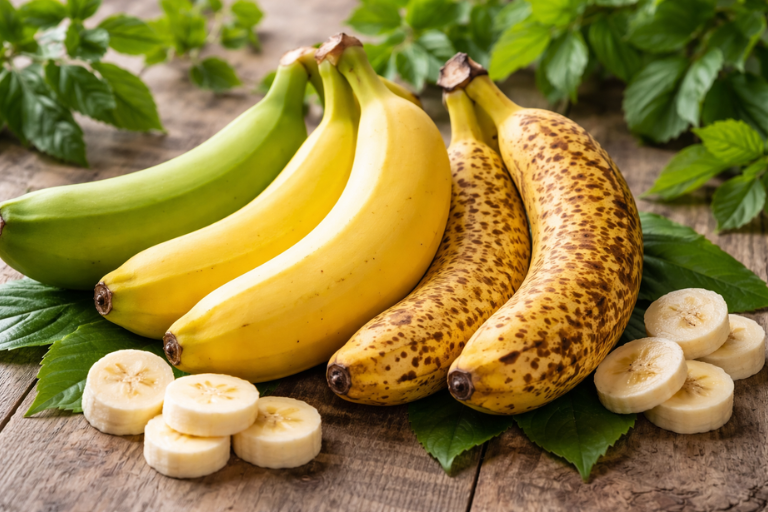
Choosing between green, yellow, or spotted bananas isn’t just about taste—it’s about what you want from your snack. You’ll get slow-release carbs and fibre from green ones, gentle digestion from yellow, and quick energy from speckled or very ripe fruit. Each stage shifts the glycemic impact, antioxidants, and best uses, from weight control to baking. Wondering which ripeness matches your goals today? The differences might change how you stock your fruit bowl.
Banana Ripeness by Goal: Quick Guide
Choosing the right banana ripeness depends on your goal: pick barely ripe for blood sugar control and higher fiber, ripe for peak potassium and vitamin B6, very ripe for easier digestion and antioxidants, and overripe for maximum sweetness and baking.
Match banana ripeness to your goal: barely ripe, ripe, very ripe, or overripe sweetness for baking.
If you’re managing glucose, choose barely ripe: they’re firm, pale yellow with a hint of green, higher in fiber, lower in available carbs, and last 1–3 days after purchase. Greener bananas contain more resistant starch, which slows sugar absorption and supports gut health.
For performance and micronutrients, go ripe: they peel easily, show few brown spots, and deliver peak potassium, highest vitamin B6, and ideal starch–sweetness balance.
Prefer gentler digestion and antioxidant support? Pick very ripe: soft with brown speckles and great for solo snacks or recipes.
Need natural sweetness or a butter substitute? Choose overripe, richly spotted and mushy.
Green Bananas (Unripe): Low GI, High Fibre, Weight Control
Although they’re not as sweet, green (unripe) bananas deliver standout metabolic and gut perks: their low glycemic index (around 30) helps steady post‑meal blood sugar, while abundant resistant starch and pectin act like fiber to boost fullness, regulate appetite, and support weight control.
You’ll avoid rapid glucose spikes and support diabetes prevention or management, thanks to a GI far lower than ripe bananas. Their resistant starch ferments in your colon, feeding beneficial microbes and producing short‑chain fatty acids like butyrate that strengthen immunity, lower cholesterol, and protect colon health.
You’ll also get appetite control: pectin and fiber increase satiety, curb cravings, and relieve constipation, gas, and bloating. Papaya’s prebiotic fibers enhance mineral absorption and B‑vitamin synthesis. Plus, potassium helps manage blood pressure while supporting heart health. Green bananas are rich in fiber, making them suitable for diabetics due to their low sugar content and low glycemic index.
Yellow Bananas: Moderate GI, Easier Digestion, Everyday Snack
Two reasons yellow bananas shine as an everyday snack: they’re gentler on your gut and deliver steady energy.
Gentle on your gut and steady on energy, yellow bananas excel as everyday fuel
As starch converts to sugar during ripening, you get a moderate glycemic index that supports stable blood sugar without dramatic spikes. You also digest them more easily than green bananas because the starch is partly broken down.
A medium yellow banana gives you about 110 calories, 28 grams of carbs, and 15 grams of natural sugar, with 3 grams of fiber to aid regularity.
You’ll also get around 450 mg of potassium for heart and muscle function, plus peak vitamin B6 and antioxidants for metabolic and oxidative support. Fat stays negligible.
Choose fully yellow fruit with minimal spots and eat within 1–3 days.
The soft texture and easy peel make them convenient anywhere.
They also offer high antioxidants, which increase as bananas ripen and support overall oxidative defense.
Spotted Banana Ripeness: Sweeter Taste, Quick Energy
If yellow bananas keep things steady, spotted ones turn up the sweetness and speed.
Those brown speckles signal a clear shift: resistant starch has broken down into simple sugars—mainly glucose and fructose—so you taste more sweetness with every bite. As chlorophyll fades and spots multiply, you’re looking at a “very ripe” stage beyond the common yellow-with-green-tip delivery standard. This stage is ideal for baking because overripe bananas are sweeter and add moisture to recipes. Additionally, using apple cider vinegar in recipes can enhance flavor and digestibility, making your baked goods even more enjoyable.
You’ll get quick energy because those simple sugars absorb rapidly, offering immediate fuel for workouts, busy mornings, or late-day slumps.
Ripening also boosts digestibility and nutrient bioavailability, so your body accesses energy and vitamins faster. Research shows antioxidant levels and B6 bioavailability peak with brown spots, making this stage nutritionally dense.
When shopping, choose speckled yellow peels with evenly distributed brown patches for maximum sweetness and fast energy.
Overripe Bananas: Antioxidant Boost, Best Health Uses
Once bananas tip into the deep-speckled, soft stage, their antioxidant power surges—and your body can put it to work.
By days 11–21 of ripening, phenolic compounds climb, and antiradical activity rises in step. You’ll get more flavonoids, amines, quercetin, and kaempferol than from green fruit, helping neutralize free radicals, tame inflammation, and support healthy aging. Overripe bananas are rich in antioxidants that help prevent cell damage, supporting immunity and lowering disease risk. Additionally, their high antioxidant content may provide protective benefits against oxidative stress similar to those found in walnuts.
Quercetin’s potent scavenging may aid cancer prevention and ease rheumatoid arthritis and IBS symptoms.
Overripe bananas still deliver steady potassium and magnesium for blood pressure control, plus cardioprotective flavonoids that help lower cholesterol and heart disease risk.
Their starch has shifted to free sugars, so you digest them easily and gain quick energy. Use them to sweeten recipes naturally.
You’ll also get vitamin C, tryptophan for calm, antacid benefits, and cramp relief.
Frequently Asked Questions
How Should Bananas Be Stored to Control Ripening Speed?
Store bananas at 12–13°C in a cool, dark, well-ventilated spot, away from sun and heat. Keep them separate from ethylene-producing fruits. Hang them. Wrap stems. Refrigerate only when ripe. Freeze peeled slices for long-term storage.
Do Cooking Methods Change Banana GI or Resistant Starch?
Yes. You’ll lower GI most by boiling; roasting barely changes GI, while steaming can raise it. Boiling and roasting cut rapidly available glucose in unripe stages. Resistant starch stays similar across methods, though unripe bananas naturally retain more.
Are Banana Peels Edible and Beneficial by Ripeness?
Yes. You can eat banana peels; wash them well. Greener peels are tougher, bitter, richer in resistant compounds, aiding digestion. Riper peels soften, sweeten, boost antioxidants and tryptophan. Use them in smoothies, baking, savory dishes. Human studies are limited.
How Does Ripeness Affect Portion Size Recommendations?
Ripeness guides portion size: you’ll eat a medium green or firm yellow banana once daily; pair with protein. For diabetes or low‑carb goals, choose smaller or half green. Avoid extra‑large ripe bananas; they spike glucose more.
Which Ripeness Is Best Before or After Workouts?
Choose ripe yellow bananas before and after workouts. You’ll get quick, easily digested carbs, potassium to prevent cramps, and proven recovery support comparable to sports drinks. Eat 15 minutes pre-workout or within 60–90 minutes post-workout. Use green bananas for sustained energy.
Conclusion
You’ve got options at every stage. Grab green bananas when you want steady energy, better blood sugar control, and more filling fiber. Choose sunny yellow for easy digestion and an everyday potassium and B6 boost. Reach for spotted bananas when you need quick fuel with extra sweetness. Save overripe ones for smoothies or baking to cash in on peak antioxidants. Mix and match by your goals—and you’ll always have the right banana for your day.