Weight Loss and Digestion: 6 Reasons to Eat More Chickpeas
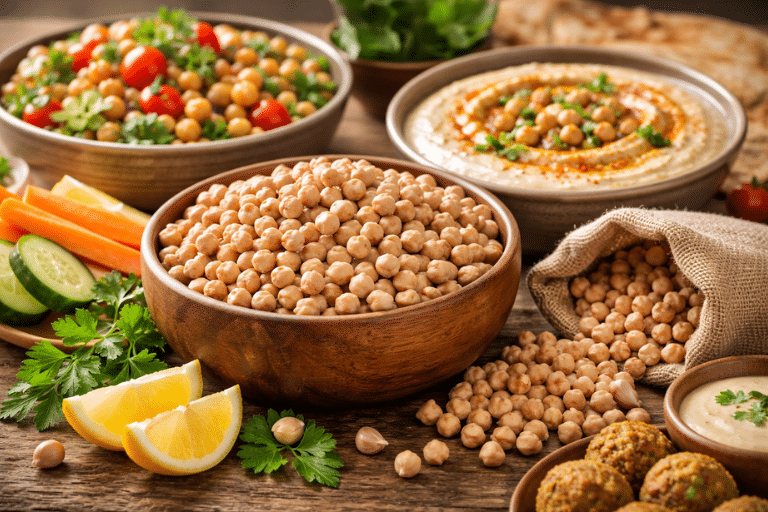
If you’re trying to lose weight without feeling deprived, chickpeas might be one of the most useful foods you’re overlooking. They’re packed with fiber and protein that help you stay full, support steady digestion, and even influence your blood sugar and cholesterol. Instead of quick hunger and energy crashes, you get more stable fuel and better gut support. And with a few simple tweaks, you can use chickpeas to quietly reshape your routine…
Do Chickpeas Help With Weight Loss?
Although chickpeas aren’t a magic solution, the evidence shows they can modestly support weight loss when you eat them regularly.
A major meta-analysis of 21 randomized controlled trials found that a daily 130 g serving of pulses like chickpeas led to about 0.34 kg (0.75 pounds) of weight loss over six weeks, even without telling people to cut other foods. Incorporating antioxidant-rich foods like chickpeas can also help combat inflammation, which is beneficial for overall health.
You also see supportive evidence in population data. In U.S. NHANES surveys, people who eat chickpeas or hummus are 53% less likely to be obese and 51% less likely to have elevated glucose levels. A controlled trial in healthy women found that a chickpea-based meal reduced post-meal blood glucose by about one-third compared with white bread, which may help reduce later calorie intake.
Animal studies echo this, showing less visceral fat and better lipid profiles with chickpea‑enriched diets, suggesting chickpeas can fit into effective, long‑term weight management.
How Chickpeas Keep You Full and Curb Appetite
Three main features of chickpeas work together to keep you full: fiber, protein, and their mostly intact cell structure. A typical serving gives you about 12.5 grams of fiber, which forms a gentle gel in your gut, slows digestion, and keeps your stomach feeling pleasantly heavy for 60–120 minutes.
Their intact cell structures also help slow how quickly sugars are released and absorbed, supporting steadier blood glucose levels over time. Additionally, the antioxidants in ginger can complement the benefits of chickpeas by enhancing overall digestive health.
At the same time, chickpeas’ 19 grams of protein per cup turn on powerful fullness hormones.
- You feel a slow, steady release of energy instead of a quick crash.
- Your stomach empties more slowly, so you don’t search for snacks.
- Hormones like GLP-1 and PYY quietly signal, “You’ve had enough.”
- Intact chickpea cells resist rapid breakdown, stretching out satiety.
- Later, you naturally eat less because you’re still comfortably full.
Chickpeas, Blood Sugar Control, and Fewer Cravings
Feeling comfortably full from chickpeas does more than just keep you out of the snack drawer—it also steadies your blood sugar. Studies show that when you eat chickpeas instead of fast-digesting carbs like potatoes, wheat, pasta, or white rice, your post-meal blood glucose rises much less. That’s because chickpeas digest slowly: their starch is less digestible, higher in amylose, and packaged with plenty of protein. Meta-analysis evidence suggests chickpeas reduce the rise in blood sugar more effectively than potatoes and wheat, reinforcing their role in blood sugar management.
This combo means less glucose hits your bloodstream at once and your body needs less insulin. Chickpeas also boost hormones like GLP-1, GIP, PYY, and leptin, which support insulin release while calming hunger signals. Research on cold showers indicates that maintaining a steady energy release can help you feel more energized and focused throughout the day. With a low glycemic impact and steady energy release, you’re far less likely to crash—and reach for sugary snacks.
Chickpea Fiber for Gut Health and Regularity
One big reason chickpeas are so good for weight loss is their fiber, which directly supports your gut and keeps digestion moving smoothly. A single serving gives you about 7–12 grams of fiber, much of it soluble types that your colon digests slowly. This same fiber can also help lower LDL cholesterol, supporting better heart health.]
Fiber-rich chickpeas nurture your gut, steady digestion, and keep you fuller longer for easier weight loss
As this fiber and resistant starch travel through your gut, beneficial bacteria ferment them, producing short‑chain fatty acids like butyrate that nourish your colon lining and support regularity.
Picture what’s happening when you eat chickpeas:
- You chew firm, intact chickpea skins that slow digestion.
- Fiber draws water into your stool, making it softer and easier to pass.
- Fermenting resistant starch feeds good gut microbes.
- Your colon works steadily, not urgently.
- Bowel movements become more predictable and comfortable.
Chickpeas for Cholesterol and Metabolic Health
Although chickpeas are often praised for their fiber, they also quietly work on your cholesterol and overall metabolic health. In controlled trials, swapping in chickpeas instead of wheat cut total cholesterol by about 3.9% and LDL (“bad”) cholesterol by 4.6% in just five weeks. Researchers traced these changes to chickpeas’ mix of soluble fiber and polyunsaturated fats.
If you’re dealing with prediabetes or want to protect your heart, a daily cup of chickpeas can help. In a 12‑week study, participants’ average total cholesterol dropped from 200.4 to 185.8 mg/dL. High‑sensitivity C‑reactive protein, a marker of inflammation, also fell at six weeks, suggesting short‑term inflammation reduction that may support metabolic and cardiovascular health.
How to Add Chickpeas to Your Diet for Weight Loss
When you use chickpeas strategically instead of just sprinkling them on top of meals, they become a powerful tool for weight loss. Aim for about 130 g (¾ cup) daily and work toward 1.7–2 servings to tap into reductions in BMI, body weight, and waist size. Their low glycemic impact, fiber, and protein keep you full longer and naturally curb intake at later meals. Because chickpeas are linked to a lower risk of chronic diseases, regularly including them in your meals can support long‑term health while you lose weight.
- Swap some animal protein or fried sides with chickpea salads, curries, or falafel.
- Eat a chickpea-based preload about two hours before your largest meal.
- Blend chickpeas into hummus, then use it as a spread instead of butter or mayo.
- Stir chickpeas into soups, stews, or grain bowls for volume and satiety.
- Add them to breakfast or midday meals to prevent energy crashes and snacking.
Frequently Asked Questions
Can I Eat Chickpeas Daily if I Have IBS or a Sensitive Stomach?
You usually shouldn’t eat chickpeas daily with IBS or a sensitive stomach. Work with your doctor, trial tiny canned portions on low‑FODMAP, space tests, and stop if bloating, pain, or diarrhea flare.
Are Canned Chickpeas as Healthy as Dried and Freshly Cooked Chickpeas?
They’re almost as healthy, but not identical. You’ll get slightly fewer vitamins (especially folate) and more sodium from canned. If you rinse canned or choose low-sodium, you’ll narrow the gap with dried, freshly cooked chickpeas.
Do Chickpeas Interfere With Common Medications Like Blood Thinners or Diabetes Drugs?
They can interact with warfarin because chickpeas contain vitamin K, so you should keep your intake consistent. They don’t appear to interfere with common diabetes drugs like metformin or insulin, but you’ll still confirm with your doctor.
Is There a Best Time of Day to Eat Chickpeas for Weight Loss Benefits?
You won’t get extra weight loss benefits from a specific time; chickpeas help anytime. You might favor evenings, though, since their protein and fiber curb late-night hunger, steady blood sugar, and support better sleep, which indirectly aids weight control.
Can I Lose Weight With Chickpeas if I Don’T Exercise Regularly?
Yes, you can lose weight with chickpeas even if you don’t exercise regularly. You’ll feel fuller, stabilize blood sugar, and naturally eat fewer calories when you replace refined carbs or snacks with chickpea-based meals.
Conclusion
When you add chickpeas to your meals, you’re giving yourself a natural boost for weight loss, digestion, and overall health. Their fiber and protein help you stay full, curb cravings, steady blood sugar, and support a healthy gut and heart. Start simple: toss them into salads, soups, grain bowls, or roast them for a crunchy snack. With small, consistent changes, you’ll feel the benefits of chickpeas working for you every day.