UTI Prevention and Beyond: 6 Tart and Tangy Benefits of Cranberries
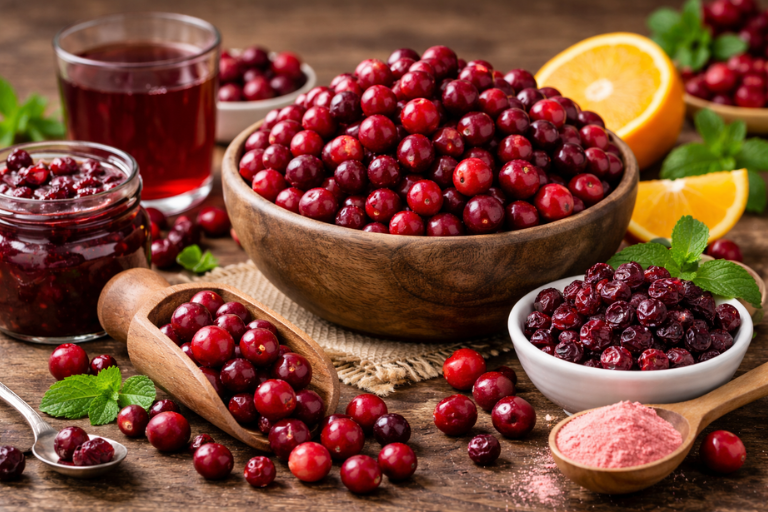
If you’ve ever had a urinary tract infection, you’ve probably been told to drink cranberry juice—but you might not know how or if it actually helps. Cranberries contain unique plant compounds that can interfere with harmful bacteria, yet not all products work the same way. When you understand the science, the right dose, and who benefits most, you can use cranberries more strategically—and reveal several surprising bonuses for your health…
Do Cranberries Really Prevent Recurrent UTIs?
So, do cranberries actually help prevent recurrent urinary tract infections, or is it mostly hype? When you look at the data, cranberries aren’t a miracle cure, but they’re not hype either—especially if you’re prone to repeat infections.
Across 26 studies, cranberry products cut symptomatic, culture-confirmed UTIs by about 30%. Women with recurrent UTIs saw roughly a 26% risk reduction, similar to results in high‑risk long‑term care residents and in children without urological abnormalities, where reductions reached 65%. In frail older adults in long‑term care, cranberry capsules led to about a 25% lower UTI incidence compared with placebo in those at highest risk. Cranberry PACs play a crucial role in this protective effect by hindering bacterial adhesion.
Still, you shouldn’t expect universal protection. When researchers pooled all populations together, cranberry products didn’t notably lower UTI risk overall. That means they’re most useful if you’re in a higher‑risk group, rather than as a one‑size‑fits‑all prevention strategy.
PACs: The Science Behind Cranberry’s UTI Benefits
While cranberries get a lot of credit for UTI prevention, it’s their proanthocyanidins—often shortened to PACs—that do most of the heavy lifting.
These A-type PACs, along with flavonoids and phenolic acids, stop p-fimbriated E. coli from clinging to your bladder lining, so you flush the bacteria out when you pee. They also disrupt E. coli biofilms, making it harder for infections to take hold. Research shows that at least 36mg of PACs daily is associated with a significant reduction in UTI risk over time. Additionally, consistent hydration helps flush out bacteria and can further enhance the effectiveness of PACs.
A-type PACs help block E. coli from sticking and breaking up biofilms, so infections struggle to gain traction
You absorb PACs more reliably from cranberry extract capsules than from juice, especially when they’re enteric-coated and protected from stomach acid.
Your gut microbiota then converts PACs into metabolites that may further boost anti-adhesion effects.
Clinical trials and meta-analyses show that when you consistently reach at least a 36 mg PAC threshold, your UTI risk markedly drops.
Cranberry Dose and Duration for UTI Prevention
Finding the right cranberry dose and sticking with it over time matter just as much as choosing the right product. For measurable UTI prevention, you’ll want enough proanthocyanidins (PACs). Aim for at least 36 mg PACs daily; 36–72 mg with A‑type linkages appears ideal and provides a full 24 hours of anti‑adhesion protection. Cranberry products are generally more effective for preventing UTIs than for treating active infections, so they should be used as a long‑term strategy rather than a stand‑alone cure.
Typical options include 240–300 ml cranberry juice cocktail daily or 8 oz cranberry beverage once to three times daily.
With supplements, common regimens are 500–1,200 mg dried cranberry extract per day, or 300–400 mg tablets taken twice daily, often totaling about 36 mg PACs.
Plan to use your chosen regimen consistently for 3–6 months, and up to 12 months, before judging its benefit.
Juice vs Capsules: Best Cranberry Form for UTI Prevention
Once you know how much PAC you need and how long to take it, the next decision is whether to get your cranberry from juice or capsules. Both can work if you reliably hit about 36 mg PAC daily, but their trade-offs differ. Pure 100% cranberry juice (not cocktail) can cut UTIs by roughly half versus no treatment and reduce antibiotic use, yet many people stop it because of taste, sugar load, or stomach upset.
In studies, cranberry juice has been associated with about a 54% reduction in UTI rates compared with no treatment. Drinking plenty of water during this time can further enhance the effectiveness of the remedy. Capsules offer concentrated PAC—often similar to 8 ounces of juice per pill—and are usually cheaper and easier to stick with for 12–24 weeks.
When you choose, weigh:
- Your tolerance for juice volume, sugar, and acidity.
- Capsule quality and verified PAC content.
- Cost and long‑term convenience.
Who Benefits Most (and Least) From Cranberries for UTI Prevention
Because cranberries don’t help everyone equally, it’s worth knowing which groups are most likely to see real benefit—and who probably won’t.
If you’re a woman with recurrent UTIs, you’re in the group most likely to benefit. Studies show about a 25–30% overall risk reduction in symptomatic, culture-confirmed infections, with some reviews suggesting up to 54% fewer UTIs compared with no treatment.
Children with a history of UTIs and people having bladder-involving procedures (including radiotherapy) also see fewer symptomatic infections, with risk dropping to about 70% of baseline. For most people who do benefit, that protection is linked to taking cranberry products that provide at least 36mg PACs per day over several months.
Other Health Benefits if You’re Taking Cranberries for UTI Prevention
While you might start cranberry supplements mainly to cut down on UTIs, the same compounds that protect your urinary tract can benefit the rest of your body too.
Cranberry’s UTI‑fighting compounds also defend your heart, mouth, gut, and overall health
Cranberry polyphenols help lower LDL oxidation, raise HDL, and keep arteries more flexible, which supports healthier blood pressure and circulation. Their antioxidants—often stronger than vitamin E—reduce oxidative stress tied to diabetes, arthritis, cancer, and Alzheimer’s disease, while vitamin C helps neutralize damaging free radicals. Cranberry polyphenols also help support gut microbiome diversity, which is linked to better digestion and less constipation.
- Support your heart and vessels by reducing inflammation, improving blood flow, and potentially easing cardiovascular risk.
- Protect your mouth as anti-adhesion compounds limit cavity‑causing bacteria, enamel‑eroding acids, and gum disease.
- Nurture your gut with fiber and polyphenols that stabilize microbiota, strengthen the gut barrier, and may even inhibit H. pylori.
Frequently Asked Questions
Can I Take Cranberries With Antibiotics or Other UTI Medications Safely?
You can usually take cranberries with UTI antibiotics and meds safely; they don’t reduce effectiveness. They may even help. Watch for possible warfarin interactions and statin effects. Always tell your doctor or pharmacist what you’re taking.
Are There Specific Side Effects or Risks From Long-Term Cranberry Use?
Yes. With long‑term cranberry use, you might get stomach upset, diarrhea, nausea, or vomiting, and you’ll raise kidney stone risk. You should avoid it with aspirin allergy, use caution with warfarin, and choose unsweetened products if diabetic.
Do Cranberries Interact With Blood Thinners Like Warfarin?
Yes, cranberries can interact with warfarin. You should avoid large or frequent amounts, monitor your INR more closely, and tell your clinician about any cranberry products you use, since effects vary and bleeding risk can increase.
Are Cranberry Products Safe and Useful for Men With UTIS?
They’re generally safe and might help you prevent recurrent UTIs, but evidence in men’s limited and low-certainty. Use standardized supplements (36mg+ PACs), not juice, and don’t rely on them to treat active infections—see your clinician.
How Do I Choose a Trustworthy Cranberry Supplement Brand or Product?
You choose a trustworthy cranberry supplement by demanding labeled A-type PAC content (around 36 mg), standardized extracts, third‑party testing, sugar‑free and gluten‑free claims, clear cranberry-equivalent amounts, and reputable brands like EU Natural, Life Extension, or AZO.
Conclusion
When you reach for cranberries, you’re doing much more than trying to dodge another UTI. You’re using PAC-powered plant medicine that can actually block bacteria, especially if you take the right dose, in the right form, for long enough. Whether you choose juice or capsules, cranberries work best as part of a larger prevention plan—and they bring bonus heart, gut, and immune benefits that make every tart sip or capsule worth it.