Top 15 Bone Broth Benefits for Gut, Joints, Skin, and Beyond
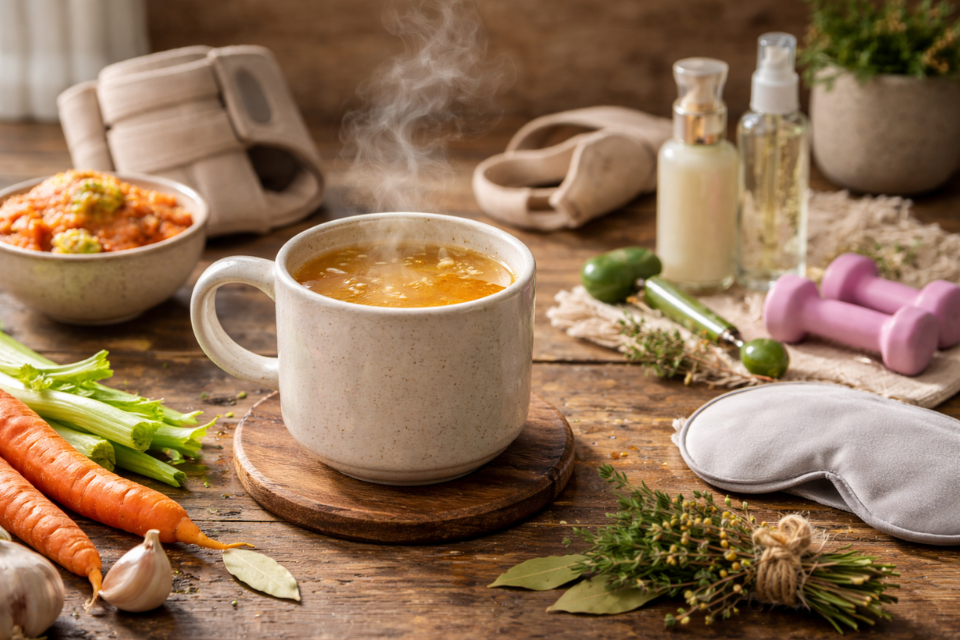
You’ve heard bone broth is good for your gut, joints, and skin—but how much of that holds up? In this guide, you’ll see 15 benefits that actually matter, what the science supports, and how bone broth differs from stock and collagen. You’ll also learn what nutrients it really delivers, how it may curb cravings, and the smartest ways to use it daily. Before you pour a mug, there’s one thing you should know first.
Bone Broth Benefits at a Glance: Top 15
Whether you sip it or cook with it, bone broth packs a surprising punch. You get protein, collagen, gelatin, and minerals in a soothing, versatile base.
Here are 15 quick perks: supports gut comfort, joint mobility, skin elasticity, hair and nails, workout recovery, satiety and weight goals, hydration with electrolytes, easy-on-the-stomach nutrition, immune-friendly warmth, sleep and relaxation, metabolic steadiness, bone-friendly minerals, flavorful low-waste cooking, culinary versatility, and convenient nourishment when you’re busy. Plus, pairing bone broth with turmeric’s anti-inflammatory properties may further support joint comfort and overall recovery.
Use it as a daily sip, soup starter, grain-cooking liquid, or sauce base. Rotate chicken, beef, turkey, or fish to vary taste, texture, and nutrient profile.
What the Science Actually Says About Bone Broth
You’ll want to look at what studies actually show about collagen and gelatin—some benefits exist, but they’re not universal.
You also need to understand proposed gut health mechanisms, from amino acids like glycine to gelatin’s effect on the mucosal lining.
Finally, consider the nutrient bioavailability debate: how much your body truly absorbs can vary by preparation and individual factors.
Collagen And Gelatin Evidence
Although bone broth is rich in collagen and gelatin, the science shows their benefits hinge on how your body digests and uses them. You don’t absorb whole collagen; you absorb amino acids and small peptides.
Studies on collagen peptides—not broth specifically—suggest modest support for skin elasticity, hydration, and wrinkle reduction, plus potential benefits for joint comfort and function, especially in athletes and older adults. Additionally, ginger’s anti-inflammatory properties may complement bone broth’s amino acids to support joint comfort and overall wellness.
Bone broth’s actual collagen content varies widely by recipe and simmer time, so doses can be inconsistent. If you want targeted effects, standardized collagen peptide supplements have stronger evidence.
Still, broth provides glycine-rich proteins that can complement a balanced diet.
Gut Health Mechanisms
Collagen talk naturally leads to the gut, where bone broth’s components actually meet biology. You’re not sipping magic, but you’re delivering amino acids—glycine, proline, and glutamine—that fuel enterocytes and help maintain tight junction proteins like occludin.
Glycine also modulates inflammation via vagal and cytokine pathways, potentially easing epithelial stress. Gelatin’s gel-forming properties may slow gastric emptying, supporting barrier contact time.
You also get small peptides that can signal mucin production and antimicrobial peptide expression, shaping the gut environment. Minerals and acidity can support digestive enzyme activity.
For comprehensive digestive support, pair bone broth with fiber-rich foods to promote regularity and a balanced gut microbiome.
Nutrient Bioavailability Debate
Despite the hype, the hard data on bone broth’s nutrient bioavailability is mixed: proteins break down into common amino acids you’d also get from meat, while collagen-specific peptides (like prolyl-hydroxyproline) do appear in blood but at modest levels and unclear clinical impact.
You’ll absorb minerals too, yet amounts vary widely with bones, acid, and simmer time. Gelatin may slow gastric emptying, but that’s not proven to heal joints or skin.
If you’re targeting collagen, standardized hydrolyzed collagen supplements show more consistent dosing than homemade broth.
Enjoy broth for taste, hydration, and protein, but don’t count on unique, superior bioavailability.
Bone Broth vs. Stock vs. Collagen: Key Differences
Curious how bone broth, stock, and collagen differ?
You’ll spot the differences in ingredients, cook time, texture, and use. Bone broth simmers bones and connective tissue for many hours, extracting gelatin and savory depth; it’s sipped or used in recipes when you want body.
Stock cooks shorter, often with bones plus some meat and aromatics; it’s lighter, designed as a culinary base.
Collagen is a purified protein supplement, usually hydrolyzed powder; it dissolves easily, has no savory flavor, and isn’t a cooking liquid.
Choose bone broth for richness, stock for versatile foundations, and collagen when you want a neutral, convenient add-in to drinks or foods.
Bone Broth’s Nutritional Profile: Protein, Collagen, Minerals
Now that you know how bone broth differs from stock and collagen, it helps to see what’s actually in your mug. You’re sipping a savory source of complete protein, plus collagen-derived peptides and key minerals.
A typical cup delivers several grams of protein, which helps you meet daily needs without much fat or carbs. Slow simmering pulls collagen from bones and connective tissues, yielding glycine, proline, and hydroxyproline. You’ll also get electrolytes and trace minerals from bones and marrow.
- Protein to support daily intake and satiety
- Collagen peptides supplying structural amino acids
- Minerals like potassium, magnesium, calcium, and phosphorus
Gut Support: Collagen, Gelatin, and Mucosal Repair
While research is still emerging, bone broth’s collagen and gelatin may offer gentle support for your gut lining. When you simmer bones, you extract amino acids like glycine, proline, and glutamine that help your body build and maintain mucosal tissue.
Bone broth’s collagen and gelatin may gently support and rebuild your gut lining.
Gelatin can bind water and form a soothing gel, supporting a healthy mucus barrier and smoother digestion.
You also get small amounts of minerals and peptides that may influence bile flow and gastric secretions, helping you break down food comfortably.
Sip warm broth with meals or use it as a base for soups to deliver these building blocks consistently without overwhelming your stomach.
Leaky Gut and IBS: What Bone Broth May (and May Not) Do
Even though bone broth gets plenty of buzz for “healing the gut,” its role in leaky gut and IBS is modest and still uncertain. You’ll find amino acids like glycine and glutamine, plus gelatin, which may support the gut lining and stool consistency.
But evidence in humans is limited, and triggers vary widely.
- Potential perks: gentle hydration, easy-to-digest protein, and soothing warmth during flares.
- Potential issues: histamines, FODMAPs from added aromatics, and variable sodium.
- Practical approach: test a simple, strained broth; track symptoms; adjust.
Use it as a supportive food, not a cure. Prioritize your clinician’s plan and a personalized diet.
Bone Broth for Joints: Cartilage and Comfort
Your joints crave raw materials, and bone broth supplies them.
You get collagen to support cartilage, glycosaminoglycans for cushioning, and anti-inflammatory amino acids that may ease soreness.
Here’s how each piece can help you move more comfortably.
Collagen Supports Cartilage
Although cartilage seems tough, it’s surprisingly delicate—and that’s where collagen from bone broth steps in. You’re feeding your body the amino acids that help rebuild the matrix your joints rely on.
Collagen supplies glycine, proline, and hydroxyproline, which your chondrocytes use to maintain structure and resilience. Over time, consistent sips support flexibility and everyday comfort.
- Promote the raw materials your joints need to stay springy
- Support normal range of motion during workouts and daily life
- Encourage recovery after repetitive stress
Make it simple: warm a mug post-exercise, add a pinch of salt, and sip. Your cartilage appreciates steady, collagen-rich nourishment.
Glycosaminoglycans For Cushioning
Collagen isn’t the only joint-helper in your mug—bone broth also delivers glycosaminoglycans (GAGs) like chondroitin sulfate and hyaluronic acid that cushion and lubricate.
These molecules attract water, helping cartilage stay springy and shock-absorbent so your steps feel smoother. You’ll also get glucosamine and keratan sulfate, key building blocks for joint surfaces and synovial fluid.
By supporting hydration and resilience within the joint matrix, GAGs help you move with less creak and more ease.
Choose broths rich in cartilage-heavy parts—knuckles, trachea, chicken feet—and simmer low and slow to extract these compounds.
Sip warm, or use in soups and sauces.
Anti-Inflammatory Amino Acids
When you’re soothing sore joints, bone broth’s amino acids pull double duty as natural calmers of inflammation. You get glycine, proline, and arginine working together to dial down cytokines, support cartilage maintenance, and ease stiffness after activity.
These amino acids also help your body make glutathione, a key antioxidant that keeps oxidative stress from fanning the flames of discomfort.
- Reduce pro-inflammatory signals while supporting joint mobility
- Feed connective tissues that cushion and stabilize your movement
- Complement your recovery when training or managing daily aches
Sip it warm post-workout, use it as a cooking base, or blend it into soups to reinforce steady, soothing support.
Bone Broth for Skin: Elasticity, Hydration, and Glow
Even before you notice fine lines, bone broth can support your skin’s natural resilience from the inside out. You’re giving your complexion collagen-building blocks—glycine, proline, and hydroxyproline—that help maintain elasticity and firmness.
These amino acids support your body’s own collagen network rather than acting like topical fillers. You’ll also get hyaluronic acid precursors and minerals that help skin hold water, improving plumpness and a dewy look.
Gelatin’s film-forming properties may aid barrier function, reducing transepidermal water loss. Consistent cups can complement sunscreen and a nutrient-dense diet, helping you retain bounce, smoothness, and glow from within without relying solely on creams.
Bone Broth and Sleep/Stress: Glycine and Relaxation
Although it’s often praised for skin and joint support, bone broth can also help you unwind thanks to its glycine content. Glycine is a calming amino acid that supports your body’s natural sleep-wake rhythm. It can lower core body temperature slightly, signaling it’s time to rest. Sip a warm mug in the evening to set a relaxed tone and reduce late-night snacking urges.
- Supports restorative sleep by promoting deeper, more efficient rest
- Takes the edge off stress by balancing excitatory signals in your nervous system
- Pairs well with bedtime rituals: dim lights, screens off, steady breathing
Choose slow-simmered broths; skim excess fat for lighter nighttime digestion.
Immune Support and Cold‑Weather Wellness
When cold weather hits, you want steady, nutrient-dense support for your immune system.
Bone broth supplies amino acids, collagen, and minerals that help maintain your defenses.
Sip it warm to stay cozy, hydrated, and resilient through winter.
Nutrient-Dense Immune Support
As temperatures drop, bone broth offers a simple, nutrient-dense way to support your immune system. You get readily absorbable amino acids like glycine and glutamine that help maintain gut integrity—home to much of your immune activity.
Minerals such as zinc, magnesium, and potassium contribute to balanced immune responses, while collagen-derived peptides aid tissue repair.
- Rich in gelatin to support a healthy gut barrier and immune signaling
- Natural source of zinc and selenium to bolster antioxidant defenses
- Hydrating electrolytes to keep mucous membranes resilient
Choose slow-simmered broth from quality bones and connective tissue. Sip it plain or use it as a base to concentrate nutrients without added sugar.
Warming Winter Wellness
Even on the coldest days, a steaming mug of bone broth warms you from the inside while steadying your defenses. You sip slow, and heat spreads—comforting your chest, easing a scratchy throat, and hydrating dry airways.
Amino acids like glycine and glutamine support your gut lining, where much of your immune system lives. Collagen-derived peptides help soothe inflammation, while minerals replenish what sweat, stress, and heaters drain.
Make it a ritual: simmer with garlic, ginger, and pepper for extra kick; add lemon and parsley for vitamin C and freshness.
Drink between meals or after outdoor time to rebound fast.
Hydration and Electrolytes From Bone Broth
Though it’s often praised for protein and collagen, bone broth also supports hydration by delivering fluid plus a modest mix of electrolytes.
You’re getting water along with sodium, potassium, and small amounts of magnesium and calcium—especially if you simmer bones with a splash of vinegar and add mineral-rich vegetables.
Bone broth delivers water plus sodium, potassium, and trace magnesium and calcium—enhanced by vinegar and mineral-rich vegetables.
This gentle electrolyte profile helps you absorb fluid, maintain nerve and muscle function, and recover after sweating or travel.
- Sip it warm between meals to rehydrate without excess sugar.
- Season lightly to control sodium while preserving balance.
- Make it at home with sea salt, celery, and a long, slow simmer.
Metabolic Health: Blood Sugar, Cravings, and Satiety
Bone broth can help you steady blood sugar thanks to its protein and gelatin, which slow digestion.
When your glucose stays steady, you’re less likely to get sudden hunger or sweet cravings.
Sip it between meals to stay satisfied and avoid overeating.
Stabilizing Blood Glucose
While trendy fixes come and go, steady blood sugar still hinges on consistent, protein-rich, and mineral-balanced meals—and bone broth can help.
Its modest protein buffers glucose swings by slowing gastric emptying, and its electrolytes support insulin sensitivity and hydration, which influence glucose transport. Sip it before carb-heavy meals, or use it to cook grains and legumes to blunt spikes.
- Add a cup before breakfast to set a steadier glycemic tone.
- Swap sugary snacks for a savory mug to maintain energy between meals.
- Cook starches in broth to integrate protein, minerals, and umami without extra sugar or refined fats.
Curbing Hunger Cravings
Even as cravings hit hard, you can redirect them with something warm, savory, and satisfying. Sip bone broth before you raid the pantry, and you’ll feel fuller fast.
Its protein, gelatin, and minerals help steady appetite signals, so you’re less likely to chase sugar or ultra-processed snacks. The salt and umami calm hedonic cravings while heat slows your pace, giving satiety hormones time to work.
Use it as a pre-meal, afternoon bridge, or nighttime swap for sweets. Add fiber-rich veggies or a splash of vinegar to enhance fullness.
Keep portions ready-to-heat, and you’ll curb impulses, meet protein goals, and stay on track.
Weight Management: Fullness and Calorie Trade‑Offs
As you look for satisfying, lower-calorie options, bone broth can help you feel full without a big energy load. Its protein and savory warmth slow sipping and curb the urge to snack.
Swap it for creamy soups or sugary drinks when you want volume without the calorie spike. Use it before meals to set a steadier pace and keep portions in check.
Swap it for creamy soups or sugary drinks to fill up without the calorie spike.
- Stir in herbs, chili, or lemon to boost flavor without adding much energy.
- Pair a mug with crunchy veggies to extend fullness and texture.
- Replace part of a recipe’s cream or oil with broth to reduce calories while keeping satisfaction.
Healthy Aging: Inflammation, Muscle, and Connective Tissue
Bone broth doesn’t just help with smart portions; it can also support healthy aging by calming low‑grade inflammation and feeding tissues that keep you moving.
You’ll get amino acids like glycine and proline that your body uses to build collagen, the scaffolding for tendons, ligaments, cartilage, and skin. That support helps joints feel smoother and muscles recover after activity.
Minerals and peptides in broth also assist electrolyte balance and tissue repair. The gelatin content can bolster gut integrity, which may lower systemic inflammatory triggers.
Sip it pre‑ or post‑workout to supply fluid, protein, and cushion for connective tissue as you stay active.
Choosing or Making Quality Bone Broth (Plus Easy Daily Uses)
While store-bought options can be convenient, you’ll get the best flavor and nutrients by choosing bone broth made from high-quality bones and a slow extraction.
Store-bought is handy, but slow-simmered, high-quality bones deliver superior flavor and nutrients.
Look for organic, grass-fed or pasture-raised bones, simmered 12–24 hours, with only water, salt, and vegetables—no gums, yeast extracts, or “natural flavors.”
If you’re making it, roast bones, add a splash of acid (vinegar), and skim gently while it simmers.
- Sip 8–12 ounces warm with lemon, ginger, or chili flakes.
- Swap for stock in soups, grains, and sauces.
- Blend into smoothies or bullet-style coffee for savory depth and protein.
Frequently Asked Questions
Is Bone Broth Safe During Pregnancy or Breastfeeding?
Yes, it’s generally safe if you prepare it properly. Use pasteurized, well-cooked broth, avoid raw or undercooked bones, limit sodium, and watch heavy metals. Choose reputable sources. If you’ve special conditions or concerns, consult your clinician.
Can Children or Toddlers Drink Bone Broth Regularly?
Yes, they can, in moderation. You’ll offer warm hydration, protein, and minerals, but it’s not a meal replacement. Avoid added salt, watch for allergens, and consult your pediatrician. Introduce slowly, prioritize balanced meals, and vary nutrient sources.
Does Bone Broth Interact With Common Medications or Supplements?
Yes, it can. You might interact with warfarin (vitamin K), ACE inhibitors/ARBs (potassium), diuretics (electrolytes), thyroid meds (timing), and collagen/gelatin supplements (overlap). Check labels, watch sodium, separate meds by 2–4 hours, and ask your clinician.
Is Bone Broth Suitable for Low-Histamine or FODMAP Diets?
Yes, with caveats. You can tolerate pressure-cooked, quickly cooled, frozen broths better. Avoid long simmers, aged bones, onions, garlic, and spices. Use fresh chicken/turkey, carrots, celery. Test small servings, note reactions, and consult a clinician if sensitive.
How Should Bone Broth Be Stored and How Long Does It Last?
Refrigerate bone broth in airtight containers for 4–5 days. Freeze it for 4–6 months. Cool quickly, label dates, and leave headspace. Use ice cube trays for portions. Reboil after thawing. Discard if sour, slimy, or fizzy.
Conclusion
You’ve got a simple, nourishing tool at your fingertips. With collagen, amino acids, and minerals, bone broth can support your gut, joints, skin, and overall resilience—whether you sip it daily, cook with it, or use it post‑workout. Focus on quality bones, long simmer times, and low additives, or choose reputable brands. Pair it with a protein‑rich, whole‑food diet, and you’ll amplify benefits like satiety, recovery, and healthy aging. Start small, stay consistent, and let the results build.