Top 10 Acai Berry Benefits: Weight Loss, Anti-Aging, and Immune Support
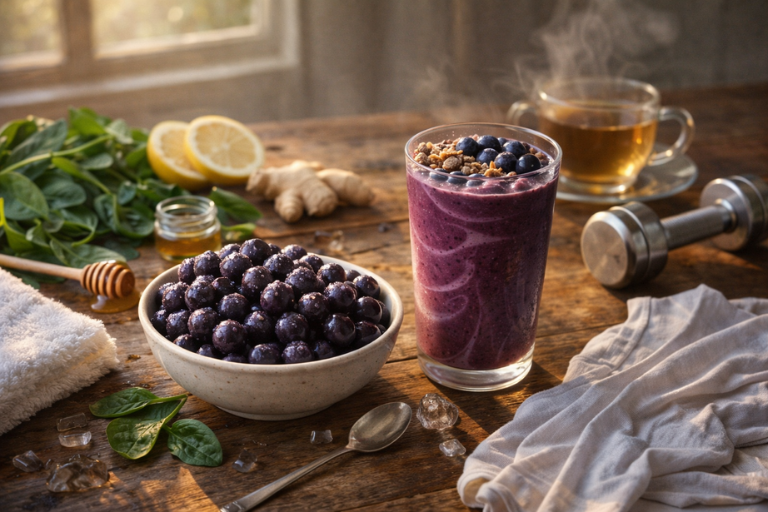
You’re curious about acai because you’ve heard it can help with weight, skin, and immunity. You’re right to ask what’s hype and what’s backed by research. Acai’s antioxidants, fiber, and bioactive compounds may support blood sugar control, reduce inflammation, and protect cells—but only when you use the right form and dose. You’ll also want to know who should avoid it, how to spot quality products, and what early human studies actually show…
Acai Berry Benefits at a Glance
Acai packs a broad, science-backed punch: its antioxidants neutralize reactive oxygen species, shield blood vessels from oxidative stress, activate the Nrf2/ARE defense, and even curb beta-amyloid aggregation.
Acai’s antioxidants defend vessels, activate Nrf2/ARE, and curb damaging reactive oxygen species and beta-amyloid aggregation.
You also see reductions in urinary 8-isoprostane, signaling lower oxidative stress in metabolic syndrome. Berberine’s anti-inflammatory effects help enhance the body’s ability to manage oxidative stress and support overall metabolic health.
For your heart, acai supports healthier cholesterol, provides atheroprotection, delivers phytosterols that block absorption, improves vascular function in overweight adults, and limits post-infarct hypertrophy. In addition, a Phase II trial suggests potential benefits of açaí juice in biochemically recurrent prostate cancer.
Your brain isn’t left out: it protects against beta-amyloid toxicity, dampens LPS-induced NF-κB in astrocytes, improves memory in aged rats, slows dopamine loss, and shows anticonvulsant and antidepressant actions.
You’ll also gain immune and metabolic support: enhanced innate defenses, improved inflammatory biomarkers, help with blood sugar, and reduced exertional oxidative stress.
Safety, Side Effects, and Who Should Avoid Acai
While most people tolerate it well, you should treat acai like any bioactive food: generally safe but not risk-free.
Human data are limited, but nutrition profiles and short clinical use (up to three months of pulp) suggest low risk. Side effects are uncommon, though allergies can occur. Clinicians should ask about acai use in patients taking warfarin, as its antioxidants may interact with anticoagulants. Additionally, it’s important to note that moringa’s high vitamin C content can also support immune function in conjunction with acai.
Watch for rare liver issues: a reported case of cholestatic jaundice resolved after stopping a daily weight-loss supplement. If you have liver disease, proceed cautiously.
Skip “acai cleanses” containing cascara sagrada—stimulant laxatives can cause cramps, dehydration, microbiome disruption, and, with long-term use, increased colon cancer risk.
Avoid raw acai juice due to rare Chagas disease outbreaks; choose pasteurized or processed products.
Who should be cautious or avoid: people on warfarin or other anticoagulants, patients on chemotherapy, allergy-prone individuals, and those with gut sensitivity.
Antioxidant Power: How Acai Fights Free Radicals
Given those safety notes, it helps to understand why this berry attracts so much attention: its polyphenols hit oxidative stress from multiple angles.
You get a dense mix of anthocyanins—especially cyanidin-3-rutinoside and cyanidin-3-glucoside—plus oligomeric proanthocyanidins (1.5–6.1 mg/g) and other flavonoids and phenolic acids. These compounds scavenge ROS and raise total antioxidant capacity, reflected in high ORAC scores, though assays vary by juice comparison.
You also trigger your own defenses. Acai polyphenols activate Nrf2, upregulating heme oxygenase-1 and superoxide dismutase, lowering lipid peroxidation, and dialing down NF-κB at low doses. Remarkably, these polyphenols enhance immune system function, making acai a potent ally in maintaining health.
Studies show boosts in catalase (275.1%) and glutathione peroxidase (15.3%), plus a 117% rise in plasma ascorbic acid. At the cellular level, acai shields fibroblasts, endothelial and microglial cells, reduces IL-6/IL-8, COX-2, p38-MAPK, and supports autophagy-linked neuroprotection. Human trials report reductions in urinary 8-isoprostane and plasma interferon-gamma, aligning with its anti-inflammatory antioxidant actions.
Heart Health: Acai for Cholesterol and Vessels
Even before you taste its tang, this berry starts working on the metrics that matter for your heart. Small human data show promise: a month of 200 g daily acai pulp cut total cholesterol by 10.6% and nudged LDL and the total/HDL ratio toward improvement (p=0.051). In an open-label pilot with overweight adults, daily açai pulp for 30 days reduced fasting glucose and insulin, signaling metabolic benefits relevant to cardiovascular risk.
You may also see better fasting glucose and insulin, metabolic shifts that support healthier lipids.
Animal studies go further, with acai lowering total cholesterol, LDL, and triglycerides. Phytosterols in acai can block intestinal cholesterol absorption, helping manage LDL while preserving HDL.
Anthocyanins reduce lipoprotein oxidation and support balanced HDL function.
For your vessels, acai’s compounds help shield endothelial cells, inhibit pro-atherosclerotic activity, and maintain lipid functionality—mechanisms tied to reduced hardening of the arteries and broader cardioprotection.
Anti-Inflammatory Benefits: What the Studies Show
How does açaí calm inflammation? You get a multi-pathway effect. Açaí extracts consistently inhibit NF-κB, the switch that drives inflammatory gene expression.
Açaí calms inflammation via multiple pathways, notably by consistently inhibiting NF-κB, the master inflammatory switch
Studies show reduced NF-κB activity in microglia and hippocampus after weeks of intake, alongside inhibition of COX-1/COX-2, VCAM-1, IL-6, and IL-8. You also see lower proinflammatory cytokines: fractions and seed extracts downregulate TNF-α, IL-6, and IL-8, and a clinical trial in metabolic syndrome cut interferon‑gamma by 76.2% without changing hs‑CRP. A prospective, double‑blinded, randomized trial is evaluating whether açaí’s NLRP3‑targeting anti‑inflammatory effects can improve outcomes in adults with community‑managed COVID‑19.
Açaí tackles oxidative stress that fuels inflammation. In trials, urinary 8‑isoprostane fell 31.2%.
Mechanistically, açaí scavenges reactive oxygen species, boosts Nrf2 signaling, and increases SOD. Preclinical data add COX‑2 and p38‑MAPK inhibition, reduced osteoclastogenesis, and microglial protection.
Early human studies report improved pain and range of motion, though primary CRP outcomes often don’t change.
Blood Sugar and Metabolic Support With Acai
While acai is best known for its antioxidant punch, it also shows promise for steadier blood sugar and broader metabolic support. In small human trials, acai smoothies blunted post-meal glucose spikes over two hours, with capillary checks every 30 minutes confirming a lower glycemic response. Its anthocyanins inhibit α-amylase and α-glucosidase, slowing carbohydrate breakdown—similar to acarbose—so you absorb glucose more gradually. In a double-blind crossover study of healthy adults, postprandial glycaemia was tracked via capillary samples over two hours to assess acai’s impact. You may also see fasting benefits. Overweight adults consuming 100–200 g/day acai pulp for 30 days lowered fasting glucose into the low-90s and reduced fasting insulin, total cholesterol, and the total/HDL ratio.
Acai products tend to be low-GI (about 24), minimizing glucose and insulin swings. It’s generally well tolerated, but if you use antidiabetes medication, monitor closely for interactions.
Brain Health: Memory, Mood, and Neuroprotection
Two compelling themes emerge for acai and your brain: protection and performance. In animal models, daily acai pulp or extracts preserved hippocampal neurons, reduced CA1/CA3 cell loss, and reorganized tissue architecture—changes that translated to better working and reference memory.
You also see mood benefits: acai downregulated NF-kappaB in the hippocampus, eased oxidative stress in the frontal cortex, and showed antidepressive, anti-anxiety signals, partly via microglial calming.
Mechanistically, you’re supporting neurons by lowering NOX2 and NF-kappaB, activating Nrf2 and antioxidant enzymes, and countering oxidative damage. Acai even disrupted beta-amyloid fibrils in lab models and protected dopamine neurons in Parkinson’s studies, aided by autophagy that clears toxic debris. In a vascular dementia mouse model, acai supplementation reduced hippocampal cell death and improved behavior via Nrf2-driven antioxidant and autophagy pathways.
Human data on cognitive decline remain unproven, so treat these neuroprotective findings as promising, preclinical evidence.
Immune Effects of Acai: Early Human and Animal Data
Even at this early stage, acai shows a distinct immune signature: its fruit polysaccharides directly activate innate and unconventional lymphocytes (myeloid cells and γδ T cells) in human PBMCs, upregulating CD69 and recruiting myeloid cells in vivo with IL-12 production, whereas polyphenols don’t drive this γδ T-cell response.
You see the largest polysaccharide fractions trigger the strongest γδ T-cell activation across bovine, mouse, and human cells. In infection models, nasal acai polysaccharides boost innate defenses against Francisella tularensis and Burkholderia pseudomallei, elevating TNF-α and nitric oxide. TLR4−/− and MyD88−/− mice were used in these studies to dissect signaling pathways, underscoring innate immune involvement.
Clinically, 8–12 weeks of acai beverages lower plasma IFN-γ and urinary 8-isoprostane in metabolic syndrome without shifting lipids or glucose, and meta-analytic data show sizable reductions in inflammatory markers.
Meanwhile, acai tempers macrophage inflammation (↓IL-1β, IL-6, TNF-α; ↑IL-10) and suppresses NLRP3.
Skin and Healthy Aging: Antioxidants and Inflammation
Although research on skin is still early, acai’s standout value for healthy aging lies in its antioxidant and anti-inflammatory profile. You get robust protection from flavonoids, polyphenols, and anthocyanins that neutralize free radicals from stress, pollution, and UV, helping repair damaged cells and softening fine lines, wrinkles, and dark spots. Acai stem cells can also support collagen production, helping maintain skin elasticity and firmness for a smoother, more youthful appearance.
Antioxidant-rich acai oil also boosts radiance and shields against oxidative stress.
Acai supports regeneration, too. Stem cells and extracts stimulate cell turnover and aid wound healing in in vitro and animal studies, while fatty acids smooth texture and reinforce cellular repair.
Its anti-inflammatory actions calm redness and swelling—reported in models of croton oil ear irritation and carrageenan paw edema—likely helped by phytosterols.
Hydration rounds out the benefits: vitamins A, B, C, E and fatty acids fortify your barrier, lock in moisture, and plump skin.
How to Use Acai: Forms, Dosing, and Quality Tips
Here’s how to pick and use acai with confidence: choose the form that matches your routine, dose it appropriately, and verify quality. Frozen puree is often the most practical choice for everyday use, while powder excels when you need room-temperature storage.
Pick the right acai, dose it smartly, and always verify product quality.
For smoothies and bowls, grab frozen puree—convenient and nutritionally dense (70 calories, 3 g fiber, 121 mg potassium). If you travel, use powder (20 calories, 1 g fiber) or 500 mg freeze-dried capsules. Prefer sipping? Choose juice (blackberry-blueberry-chocolate notes) or liquid concentrates.
Dose smartly:
- Juice: up to 2 cups daily.
- Powder extract: 1,000–2,000 mg dried acai per day.
- Liquid extract: 1–2 tablespoons, per concentration.
- Capsules: follow label, often 500 mg each.
- Concentrates: typically 1 tablespoon delivers potent antioxidants.
Check quality: favor freeze-dried processing; confirm phenolic/anthocyanin content; verify authenticity; avoid products with unlisted ingredients; look for third-party chemical analyses.
Frequently Asked Questions
Is Acai Sustainable and Ethically Harvested From the Amazon?
Yes—with caveats. You can choose certified Fair Trade, organic açaí supporting Amazon harvesters using traditional, sustainable methods. Still, watch for monoculture risks, low farmgate pay, high transport costs, and waste; prefer brands investing in community projects, traceability, and seed-to-biochar innovations.
How Does Acai Interact With Common Medications or Supplements?
It can inhibit CYP3A4/2D6, altering statins and many drugs. You might see changed Cmax/AUC with atorvastatin, alogliptin, empagliflozin. It may affect chemo, warfarin, painkillers, blood sugar drugs, and antioxidants. Consult your clinician; monitor glucose, INR, side effects.
Can Children or Pregnant Individuals Consume Acai Safely?
Yes, you can eat pasteurized acai as food during pregnancy and for children, but avoid raw/unpasteurized juice and all supplements. Watch added sugars in bowls. If you have berry allergies or concerns, consult your healthcare provider.
Does Acai Quality Vary by Freeze-Drying Versus Spray-Drying Methods?
Yes. You’ll get higher-quality acai from freeze-drying: it preserves enzymes, flavor, color, and 90–99% nutrients, with greater anthocyanins and ORAC. Spray-drying uses heat and maltodextrin, lowers bioactives, darkens color, and prioritizes cost and scalability.
Are There Certified Third-Party Tests for Acai Purity and Adulteration?
Yes. You can verify acai purity through certified third-party tests: identity, potency, microbial, and heavy metals. Look for USDA Organic, NOP, COAs, and batch-specific lab reports from independent labs confirming no adulteration and label accuracy.
Conclusion
You’ve seen how acai can support weight management, healthy aging, and immune defenses while also benefiting your heart, brain, and skin. If you decide to try it, choose reputable products, watch added sugars in bowls and juices, and start with modest doses to see how you respond. Remember, acai complements—doesn’t replace—balanced nutrition, sleep, movement, and medical care. If you’re pregnant, on medications, or have allergies, check with your clinician first. Enjoy it as part of a sustainable routine.