Nose-to-Tail Nutrition: Top 6 Benefits of Beef Organ Supplements for Gut Health
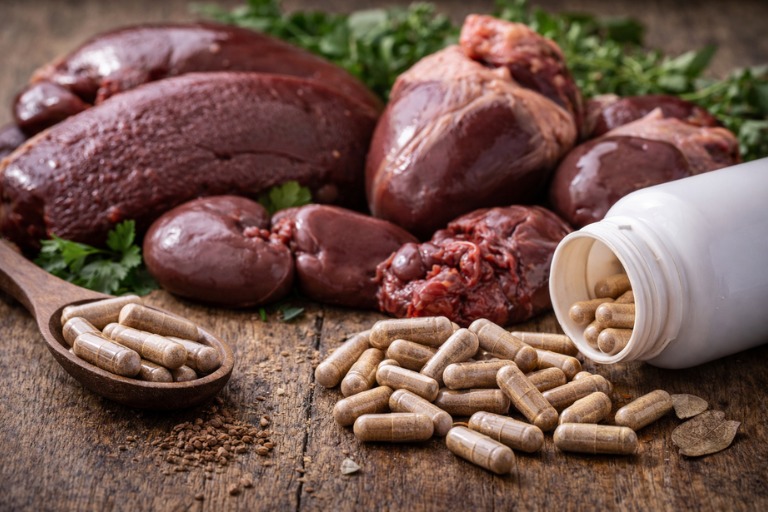
You’re curious about gut health and wondering if beef organ supplements actually help. They pack bioavailable nutrients, enzymes, and collagen that may support your microbiome, digestion, and gut barrier—without complicated protocols. Still, not all organs or doses are equal, and certain people should steer clear. You’ll want the quick answer, key nutrients to look for, what the evidence says on inflammation and vitamins, and the safest way to use them…
Do Beef Organ Supplements Help Gut Health? The Quick Answer
Short answer: yes—beef organ supplements can support gut health, mainly by delivering digestive enzymes (from pancreas) and highly bioavailable nutrients (from liver, kidney, and heart) that aid breakdown and absorption of food while reducing inflammation. BE supplementation has been shown to improve endurance and reduce fatigue-related biomarkers in mice, suggesting a supportive role for nutrient-dense beef components in metabolic resilience.
You get pancreatic enzymes that break down carbs, proteins, and fats, improving digestive efficiency and preparing nutrients for intestinal uptake. High-protein organ content can slow stomach emptying, giving you more thorough processing and better satiety.
Mineral cofactors in these organs activate enzymes that convert food into usable energy. Kidney-derived selenium offers anti-inflammatory support for mucosal healing, while antioxidant compounds protect barrier integrity and help reduce oxidative stress.
Because organ nutrients are highly bioavailable, you can achieve benefits with lower doses. Clinical evaluations show favorable safety with no adverse digestive markers.
Beef Organ Nutrients That Support the Microbiome (A, B12, Zinc, CoQ10)
Building on how organ blends aid digestion and gut lining integrity, it’s the nutrient payload—vitamin A, B12, zinc, and CoQ10—that further shapes a resilient microbiome.
Liver delivers concentrated, bioavailable retinol (about 37–46 micrograms per gram), plus enzymes and biopeptides that support intestinal regulation and improve mineral uptake. You also get abundant B12—kidney alone can exceed 1,000% of the RDA—powering cellular energy and, with beef proteins, promoting Lactobacillus that favor a balanced gut profile. Diet can rapidly shift the gut microbial profile, and short-term beef intake shows minimal changes in humans. Additionally, ginger’s antioxidant properties may enhance the overall efficacy of gut health by reducing oxidative stress.
Zinc from organs supports immune cell development, antioxidant defenses, and coordinated actions with iron and copper that influence microbial dynamics. CoQ10 adds antioxidant and energy support, helping temper oxidative stress that disrupts microbiota.
Meanwhile, glycine and collagen from organ tissues help maintain lining integrity while proteins bolster beneficial bacteria.
Do Vitamins A–K Strengthen the Gut Barrier? Evidence and Mechanisms
While gut health hinges on microbes and mucus, vitamins A–K directly shape the barrier that keeps them in balance.
Vitamin A stands out: low status raises intestinal permeability, with higher D‑lactate, diamine oxidase, and urinary lactulose; supplementation reverses these signals. In Alzheimer’s models, dietary vitamin A modulates gut microbiota and lowers intestinal inflammation markers, aligning barrier improvements with better cognitive performance. Additionally, curcumin’s anti-inflammatory effects have been shown to further support gut health by reducing inflammation in the digestive tract.
Retinoic acid boosts tight junctions—ZO‑1, occludin, claudin‑6/7—increasing transepithelial resistance and reducing paracellular leak, while normalizing glucocorticoid receptor activity. It also guides T‑cell gut homing, supports IgA, and improves defense against Giardia, lowering new infections.
Vitamins A and D act synergistically. They regulate tight junction proteins, support IL‑22–producing innate lymphoid cells, and keep microbial communities resilient after injury; deficiencies blunt these responses.
Broadly, vitamins A, C, D, and E reinforce epithelial integrity, temper oxidative stress, and promote epithelial repair—key reasons beef organ nutrients help maintain barrier homeostasis.
How Organ Nutrients Lower Gut Inflammation (IL-1β/IL-6, Selenium, Riboflavin)
Even as microbes spark many gut reactions, organ-derived nutrients actively dial down inflammatory cytokines like IL-1β and IL-6 at their source. Selenium from beef kidney drives this effect: it powers glutathione peroxidase, neutralizes free radicals, and blocks NF-κB, directly suppressing IL-1β gene expression. Incorporating anti-inflammatory foods into your diet can further enhance the benefits of organ nutrients.
When selenium runs low, IL-1β surges; restoring bioavailable selenium from organs normalizes mucosal levels and tames cytokine storms. You also curb IL-6. Selenium lowers its secretion 20–30% in gut models, preserves barrier integrity, and, with zinc and copper, further reduces leaky-gut signaling. Supplements provide a convenient alternative to whole organ meats, typically offering little to no taste for easier daily use.
Beef organs deliver concentrated selenium—often 37–52 mcg per gram equivalent—outperforming synthetics and sustaining anti-inflammatory tone. Riboflavin from beef liver complements this. By energizing intestinal cells and supporting flavin enzymes, B2 indirectly suppresses IL-1β/IL-6 and strengthens mucosal defenses.
Can B Vitamins and Protein From Organs Boost Digestion and Metabolism?
Curious how organ-based B vitamins and proteins shift digestion and metabolism into higher gear? Beef liver packs 2471% DV B12 per 3.5 oz, plus 212% B2, 143% B5, and 64% B6—active, highly absorbable forms that drive nutrient breakdown and energy.
B6 helps you process proteins, carbs, and fats; pantothenic acid (B5) powers coenzyme A for macronutrient metabolism.
B12 supports red blood cell formation and mitochondrial energy, while heme iron and 5.1 mg CoQ10 from liver further fuel performance.
You also get complete, bioavailable proteins, peptides, and enzymes. Liver delivers 20.4 g protein per serving, with leucine to support muscle and metabolic demand; heart and kidney add proteins for repair. Grass-fed pancreas contributes digestive enzymes.
Together, these organ nutrients enhance digestion, absorption, and metabolic rate. For convenience, Codeage offers these organs in capsule form with a 2-month supply per bottle.
How to Use Beef Organ Supplements Safely (Doses, Food vs Capsules, Who Should Avoid)
Those B vitamin- and protein-rich organ blends can support digestion and energy, but you’ll get the most benefit by using them safely. Follow labels—there’s no universal dose. Most products suggest 2–4 capsules daily (some 3–6), each typically 350–650 mg; 3,000 mg approximates one weekly organ serving. Note that supplements aren’t overseen like drugs by the FDA, so choose reputable brands with third-party testing to help mitigate limited regulation.
Start low (e.g., 1 capsule daily), monitor energy, mood, and digestion for 1–2 weeks, then adjust. Take with your first meal, ideally with healthy fats, and stay consistent. Space doses away from calcium-based antacids and tannin-heavy foods.
Evening is fine; leave a two-hour buffer before bed to avoid possible vitamin A–related sleep disruption. Choose capsules for convenience and consistent dosing; use powders if you prefer smoothies but can tolerate stronger taste.
Avoid or limit if pregnant, breastfeeding, under 18, on medications, have hemochromatosis, gout, high cholesterol, or vitamin A toxicity.
Frequently Asked Questions
Are Grass-Fed Organ Supplements Superior to Grain-Fed for Gut Benefits?
Yes—grass-fed organ supplements likely offer superior gut benefits. You’ll get higher omega-3s, vitamins A and E, CLA, and phenolic antioxidants that support microbial balance and barrier integrity. Choose pasture-raised, minimally processed products with transparent nutrient labeling for best results.
How Long Until Gut Improvements Are Noticeable With Organ Supplements?
You may notice gut shifts in 2–4 weeks, but timelines vary. Start low, increase gradually, take with your first meal, and stay consistent. Low iron/B12 speeds changes. Pair with diet and exercise to amplify benefits and tolerance.
Do Organ Supplements Interact With Common Probiotics or Prebiotics?
They usually don’t interact. You can take beef organ supplements alongside most probiotics and HMOs safely. Separate probiotics from antibiotics by 2–3 hours. Monitor tyramine-sensitive meds (e.g., MAOIs). Start low, watch for GI symptoms, and consult your clinician.
What Quality Certifications Ensure Organ Supplement Purity and Safety?
You should look for USDA Organic, cGMP manufacturing, and ISO 17025 third‑party testing. Consider extras: Informed Sport, Glyphosate‑Free, Soil Association, Halal, or ACO. Ask for batch COAs verifying potency, heavy metals, microbes, molds, and toxins.
Can Cooking Organs Replace Supplements for Equivalent Gut Outcomes?
Yes, mostly. You’ll match or beat supplements when you cook organs gently with fat: vitamin A, zinc, heme iron, peptides, and enzymes absorb well. Blend strong flavors, avoid overcooking, and limit high-fat pairings that disrupt microbiota.
Conclusion
You’ve seen how nose-to-tail nutrition can upgrade your gut health. Beef organ supplements deliver bioavailable vitamins A, B12, K, zinc, and CoQ10 to support a resilient microbiome, while collagen, glycine, and riboflavin fortify your gut barrier and calm inflammation. Enzymes and B vitamins can also boost digestion and metabolism. If you’re curious, start low, choose quality sources, and consider food-first options. Avoid them if you’re pregnant, on vitamin A–sensitive meds, or have iron overload. Your gut will tell you.