8 Sweet Benefits of Cinnamon for Blood Sugar and Heart Health
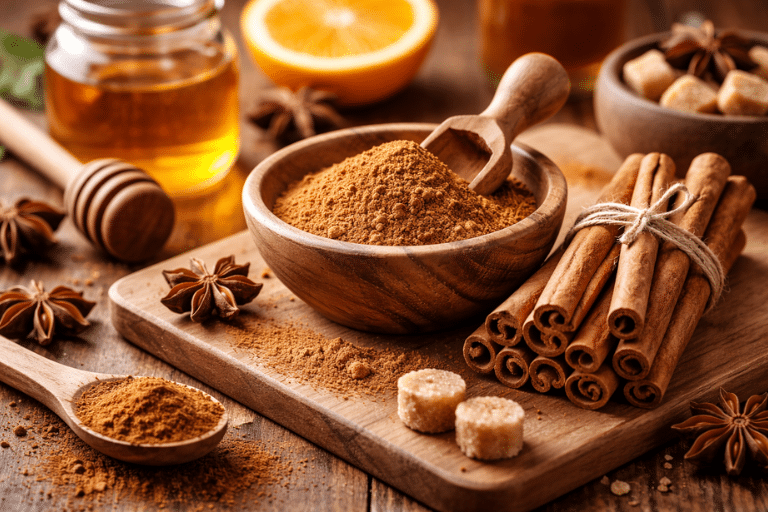
When you sprinkle cinnamon on your oatmeal or coffee, you’re doing more than boosting flavor. This familiar spice may help steady your blood sugar, support insulin function, and even nudge your cholesterol and triglycerides in a healthier direction. But not all cinnamon is the same, and the amount you use matters more than you might think. Before you shake more on your next meal, it’s worth knowing how to use it wisely.
Does Cinnamon Really Lower Blood Sugar?
So, can a simple kitchen spice like cinnamon really make a dent in your blood sugar? Research suggests it might, but it’s not a sure thing.
Several short-term trials in people with type 2 diabetes found that taking about 1–6 g of cinnamon daily for 40 days cut fasting glucose by roughly 18–29%, while placebo groups didn’t change. Some capsules around 500 mg also lowered both pre-meal and after-meal readings. In healthy adults, daily cinnamon for 40 days produced small but significant reductions in both pre-meal and after-meal blood glucose, especially at higher doses like 6 g. Additionally, cinnamon may enhance insulin sensitivity, which could further support blood sugar regulation.
Short-term studies show 1–6 g of cinnamon daily may significantly lower fasting and pre-meal blood sugar
Other studies, though, found no improvement in fasting glucose or HbA1c after 1 g daily for three months, even in people with elevated HbA1c.
Meta-analyses generally show modest short-term benefits, but results remain inconsistent. Because of this mixed evidence, major groups like the American Diabetes Association don’t recommend cinnamon as a diabetes treatment.
How Cinnamon Improves Insulin Sensitivity
Even though the overall blood sugar evidence is mixed, researchers have a much clearer picture of how cinnamon might make your cells respond better to insulin. Compounds in cinnamon block PTP-1B, an enzyme that “turns off” insulin receptors, and they boost the enzymes that activate those receptors. Aqueous extracts also enhance receptor auto-phosphorylation, so your cells “hear” insulin’s signal more clearly.
Cinnamon’s polyphenols increase GLUT-4 transporters, helping your muscles pull more glucose out of the bloodstream. In lab and animal studies, cinnamaldehyde and eugenol improve key insulin-signaling steps, including AKT and GSK3α/β phosphorylation. In humans, cinnamon supplementation has been linked to lower fasting blood glucose levels, supporting its potential role in improving insulin sensitivity.
Additionally, cinnamon contains antioxidants that combat infections, which may further support overall health. Clinically, this translates into lower fasting insulin, better HOMA-IR scores, and reduced post-meal insulin and C‑peptide responses, all signs that your body’s using insulin more efficiently.
How Cinnamon Affects Triglycerides
While cinnamon’s blood sugar benefits get most of the attention, its impact on triglycerides may be just as important for your heart. In people with type 2 diabetes, taking 1–6 grams daily for 40 days cut triglycerides by about 23–30%, with larger drops after 40 days than after 20. Researchers found that even low‑dose cinnamon under 500 mg per day was linked with significant triglyceride reductions in randomized controlled trials. Additionally, cinnamon’s antioxidant properties may further contribute to overall heart health by combating oxidative stress.
What’s striking is that benefits from 1 and 3 grams persisted even 20 days after stopping.
When researchers pooled 13 randomized trials with 750 participants, they found a significant overall triglyceride reduction, including meaningful decreases with low doses under 500 mg a day.
The key factor wasn’t how much you took, but how long you stayed consistent—at least 8 weeks. Those time‑dependent reductions support cinnamon’s potential role in lowering triglyceride‑related heart risks.
How Cinnamon Affects Cholesterol
Although cinnamon is often promoted as “heart‑healthy,” its effects on cholesterol are surprisingly mixed. Some studies show impressive drops in LDL (“bad”) and total cholesterol, while others find little to no benefit—or even potential harm. Meta‑analyses of randomized trials suggest that cinnamon more consistently lowers triglycerides and total cholesterol than LDL or HDL cholesterol.
Here’s how the research breaks down:
- Human trials in diabetes, hypertension, and healthy adults report LDL reductions of about 7–27%, with total cholesterol falling 10–26%, especially with Ceylon cinnamon extracts.
- Other randomized trials and meta-analyses show no meaningful change in LDL or HDL, leading major groups to avoid recommending cinnamon for high cholesterol.
- HDL (“good”) cholesterol usually doesn’t budge, with reviews alternating between tiny increases and no effect.
- Animal studies even suggest daily cinnamon might worsen cholesterol and fat accumulation in otherwise healthy subjects.
How Much Cinnamon to Take for Blood Sugar
Cinnamon’s uneven impact on cholesterol raises a natural next question: how much should you actually take if your main goal is better blood sugar control?
Human trials test a wide range: roughly 1–6 grams daily (about ¼–2 teaspoons). Doses as low as 1 gram can modestly lower fasting blood sugar, and 3–6 grams often reduce glucose within 20–40 days, but studies don’t show a clear “more is better” dose‑response. In a meta‑analysis of 24 randomized controlled trials, cinnamon supplementation produced a statistically significant drop in fasting blood sugar, with a standardized mean difference of -1.32.
You’ll see the most benefit by taking a consistent daily amount for at least 4–8 weeks; effects tend to fade once you stop.
Because higher, long‑term intakes can irritate your gut or stress your liver, it’s safer to start near 1 gram daily, then adjust with your clinician’s guidance.
Ceylon vs. Cassia: Which Cinnamon for Blood Sugar?
Even once you’ve decided to use cinnamon for blood sugar, you still face a key choice: Ceylon (“true” cinnamon) or the more common cassia.
Both can help balance glucose, but they differ in strength, flavor, and how often you should use them.
Here’s how they compare for blood sugar support:
- Blood sugar effects (Ceylon): Lab and animal research shows it blunts post-meal spikes by about 20% and improves insulin sensitivity. Because Ceylon contains far less coumarin than cassia, it’s considered safer for regular, long-term use.
- Blood sugar effects (cassia): Human studies in type 2 diabetes reveal 1–6 g daily can lower fasting sugar and improve glucose metabolism.
- Flavor: Ceylon tastes mild, sweet, and delicate; cassia is hotter, bolder, and more pungent.
- Practical use: Use Ceylon daily; save cassia for occasional, strongly flavored dishes.
Side Effects and Safe Cinnamon Doses
Once you start using cinnamon regularly for blood sugar support, you also need to think about how much is safe and what side effects to watch for. [People with existing liver conditions should be monitored more closely when consuming cinnamon because of its coumarin content, which can worsen liver damage. Cassia cinnamon’s coumarin can damage your liver at high doses; even about one teaspoon daily may exceed Europe’s tolerable intake of 0.1 mg/kg/day, especially if you already have liver disease.
You may notice mouth sores, skin irritation, or digestive upset from cinnamaldehyde; these reactions usually fade when you stop exposure.
High coumarin can interfere with blood clotting, especially if you take warfarin or other blood thinners, diabetes medications, acetaminophen, or statins—always check with your doctor.
Avoid inhaling dry cinnamon, and watch for contamination alerts, including lead.
Prefer Ceylon or smaller Cassia amounts for frequent use.
Easy Ways to Use Cinnamon Every Day
Whether you like sweet or savory flavors, it’s easy to work cinnamon into meals you already eat. A small daily amount—about 2–4 grams of powder—can fit into drinks, snacks, and main dishes without feeling like a chore. Adding cinnamon regularly can also support heart health by helping improve cholesterol and triglyceride levels over time.
- Stir a pinch into coffee, hot chocolate, or herbal tea, or sip cinnamon water after dinner to help steady post‑meal blood sugar.
- Boost breakfast by mixing it into porridge, oats, yogurt, pancakes, or buttered toast, or dusting apple slices.
- Add ½ teaspoon to smoothies, nut milks, or spiced “nice cream” for extra antioxidants and warmth.
- Simmer sticks in soups, stews, vegetarian chili, fruit compotes, or baked goods like muffins and cookies for gentle, all‑day flavor.
Frequently Asked Questions
Can Cinnamon Help Prevent Type 2 Diabetes in People With Prediabetes?
Yes, cinnamon might modestly help delay type 2 diabetes if you have prediabetes, especially at 500 mg three times daily, but you shouldn’t rely on it alone—prioritize diet, exercise, weight management, and regular medical follow‑up.
Does Cinnamon Interact With Common Diabetes or Heart Medications?
Yes, cinnamon can interact with some diabetes and heart medications. You typically won’t see issues with food-level amounts, but supplements can raise hypoglycemia, liver, and bleeding risks. You should monitor sugars and always clear supplements with your doctor.
Is Cinnamon Beneficial for People Without Diabetes or High Cholesterol?
Yes, you can still benefit. You’ll likely see modest improvements in blood pressure, cholesterol, and insulin sensitivity, plus antioxidant and anti-inflammatory support. Use small daily amounts as a flavorful sugar substitute, not a stand‑alone preventive treatment.
Are Cinnamon Supplements Better Than Using Ground Cinnamon in Food?
They’re not necessarily better; you’d mainly gain convenience and consistent dosing. You can get similar PAC benefits from small amounts of ground cinnamon, especially Ceylon, while avoiding higher coumarin exposure found in frequent, large-dose cassia-based supplements.
Can Children or Pregnant Women Safely Use Cinnamon for Blood Sugar Support?
You can use small food amounts in pregnancy or for kids, but you shouldn’t rely on supplements. Stick to ½–1 teaspoon daily, choose Ceylon cinnamon when possible, and always ask your doctor first, especially for gestational diabetes.
Conclusion
Cinnamon isn’t a magic cure, but it can absolutely support your blood sugar and heart health when you use it wisely. By adding the right dose, choosing Ceylon when you can, and watching for side effects, you’ll get the benefits without the risks. Sprinkle it into meals you already love, stay consistent, and keep your healthcare provider in the loop so cinnamon becomes a safe, steady ally in your daily routine.