12 Spearmint Tea Benefits for Hormones, Skin & Digestion
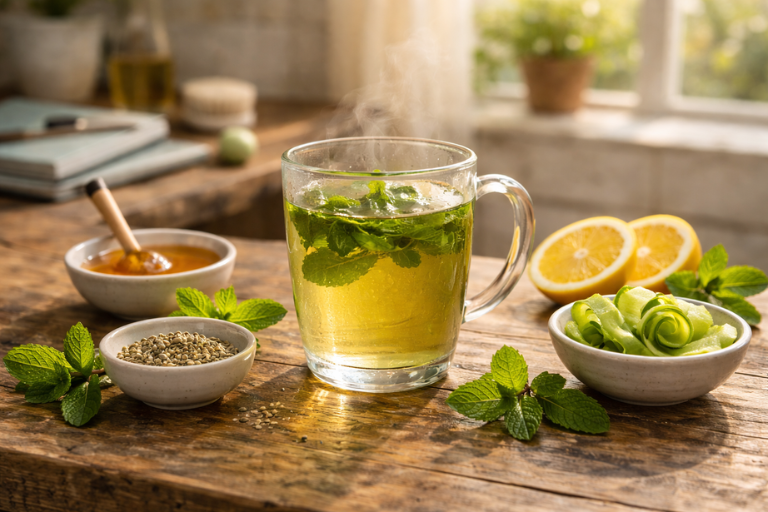
If you’re looking for a simple habit that supports hormones, skin, and digestion, spearmint tea deserves a closer look. It may help lower androgens in PCOS, ease PMS, calm hormonal acne, and soothe bloating—without caffeine. You’ll also get antioxidants that support gut balance and gentle stress relief that can steady your cycle. But how much should you drink, what’s the best timing, and who should be cautious? Let’s unpack the subtle benefits—and limits—next.
Spearmint Tea Benefits at a Glance
From calming digestion to balancing hormones, spearmint tea offers quick, science-backed perks you can feel.
You’ll notice a soothing effect on your stomach, less bloat, and gentler gas. Its natural polyphenols support antioxidant defenses, helping your skin look clearer and calmer.
You may experience improved breath, a fresher mouthfeel, and subtle focus from its crisp aroma. It’s naturally caffeine-free, so you can sip day or night without jitters.
You’ll hydrate while reducing sugar-heavy beverage cravings. It’s simple to brew, budget-friendly, and easy to pair with meals.
Start with one to two cups daily and see how your body responds. Plus, drawing from similar herbal research, compounds in ginger can help calm indigestion and reduce nausea, offering complementary digestive support.
How Spearmint Tea May Balance Hormones
Beyond soothing digestion and revitalizing your breath, spearmint tea may gently influence hormone balance—especially androgens. You’ll find its polyphenols and rosmarinic acid act as antioxidants, which can modulate inflammatory signals tied to endocrine function.
By supporting insulin sensitivity and stress response, it may indirectly steady hormonal rhythms. You can also benefit from its calming effect on the nervous system, helping curb cortisol spikes that nudge other hormones off course.
Regular, moderate intake—1–2 cups daily—lets your body respond gradually. Pair it with protein-rich meals, fiber, sleep, and movement for a steadier internal environment. Always check with your clinician if you take medications.
Lowering Androgens in PCOS With Spearmint Tea
While PCOS can elevate androgen levels that drive symptoms like acne and hirsutism, spearmint tea shows promise for gently bringing them down.
You may benefit from its anti-androgenic effects, observed in small clinical trials where participants drinking spearmint tea twice daily saw decreases in free and total testosterone and improvements in subjective symptoms.
Researchers propose that spearmint may influence LH/FSH balance and inhibit 5-alpha-reductase, reducing DHT’s impact on oil glands and hair follicles.
To try it, brew 1–2 cups daily for several weeks, monitor skin and hair changes, and stay consistent.
Pair tea with sleep, strength training, fiber, and clinician guidance.
Spearmint Tea for PMS Relief and Calmer Cycles
You can turn to spearmint tea for gentle anti-androgenic support that may ease PMS mood swings and breakouts.
Its natural cramp-soothing properties help relax muscles and reduce discomfort.
With regular sips, you may support steadier hormone rhythm balance for calmer, more predictable cycles.
Additionally, practicing stress management techniques like mindfulness and deep breathing may help reduce flare-ups and support overall hormonal balance.
Anti-Androgenic Support
Although it’s best known for its soothing aroma, spearmint tea also offers gentle anti-androgenic support that can help steady your cycle.
You’ll find it especially helpful if higher androgens leave you with oily skin, mid-cycle irritability, or irregular timing. Compounds in spearmint may modestly lower free testosterone and support a healthier estrogen-androgen balance, which can translate into clearer skin, lighter facial hair, and more predictable rhythms. Plus, pairing it with fenugreek may further support hormonal harmony by helping to modulate estrogen receptors and balance FSH and LH.
Drink a cup daily for several weeks and track changes. Pair it with protein-rich meals, fiber, and consistent sleep to reinforce hormonal balance.
If you’re on medication or pregnant, check with your clinician first.
Cramp-Soothing Properties
Because its menthol-rich oils relax smooth muscle, spearmint tea can take the edge off period cramps and ease pelvic tension. You’ll feel gentle antispasmodic effects that calm uterine contractions and reduce that gripping ache.
The warm infusion also boosts circulation, which helps clear prostaglandin-driven discomfort faster.
Sip 1–2 cups daily in the days leading up to your period and during the heaviest cramp window. Brew 1 tablespoon dried leaves in 8–10 ounces hot water for 7–10 minutes; cover to keep volatile oils in.
Add ginger or chamomile for extra soothing. If you’re pregnant, on medications, or sensitive to mint, check with your clinician first.
Hormone Rhythm Balance
Beyond easing cramps, spearmint tea may support steadier hormone rhythms that tame PMS swings.
Its gentle anti-androgen effects can help balance estrogen-to-testosterone ratios, which may ease bloating, breakouts, irritability, and mid-cycle mood dips.
By encouraging calmer cortisol patterns, spearmint may also reduce stress-driven cravings and sleep disruptions that magnify symptoms.
Drink 1–2 cups daily during the luteal phase or consistently through the month to test your response.
Choose caffeine-free, fresh-brewed leaves to avoid jittery spikes.
Pair with protein-rich meals, magnesium, and steady sleep for better results.
If you have PCOS, thyroid issues, or take hormones, check with your clinician first.
Why Spearmint Tea May Help Hormonal Acne
You may notice clearer skin when spearmint tea helps lower androgens that can trigger excess oil and breakouts.
Its natural anti-inflammatory effects can calm redness and reduce the look of inflamed blemishes.
Androgen-Lowering Properties
While no single tea is a cure-all, spearmint stands out for its potential to lower androgens—hormones like testosterone that can drive excess oil production and inflammatory breakouts.
By nudging free testosterone downward and supporting a healthier androgen-to-estrogen balance, you may see fewer clogged pores and a steadier skin cycle. Research in women with androgen excess suggests regular intake can modestly reduce circulating androgens.
- Enjoy 1–2 cups daily for several weeks to gauge effects.
- Choose pure spearmint, not peppermint, for hormone benefits.
- Pair with balanced meals to support steady insulin.
- Track cycles, skin changes, and tolerance to personalize use.
Anti-Inflammatory Effects
Hormone balance is only part of the story—spearmint also brings gentle anti-inflammatory action that can calm acne-prone skin from the inside out.
Its rosmarinic acid and flavonoids help temper inflammatory pathways, which can reduce redness, swelling, and tenderness around breakouts. By easing oxidative stress, spearmint may also support a healthier skin barrier, making pores less reactive to everyday triggers.
You can brew it daily to nudge down inflammatory signals that often flare with cyclical breakouts. Choose fresh, aromatic leaves or high-quality tea bags, steep 5–7 minutes, and drink warm.
Pairing consistent intake with a simple skincare routine can amplify results.
Hormone-Balancing Support
Even beyond its soothing nature, spearmint tea shows promise for dialing down androgen activity that fuels hormonal acne. You may benefit because excessive androgens can boost sebum and clog pores.
Preliminary studies suggest spearmint may modestly reduce free testosterone while supporting a steadier hormone profile. That shift could mean fewer deep, cyclical breakouts along the jawline.
- Drink 1–2 cups daily for several weeks to gauge changes in oiliness and flare-ups.
- Pair with balanced meals and sleep to support hormonal rhythm.
- Track your cycle and skin to spot patterns.
- If you’re pregnant, on hormones, or have PCOS, consult your clinician first.
Antioxidants in Spearmint: Rosmarinic Acid and Inflammation
Although spearmint is gentle in flavor, it’s packed with potent antioxidants—especially rosmarinic acid—that help calm inflammation at its source.
You get a botanical shield that scavenges free radicals, easing oxidative stress that can aggravate skin and hormonal flare-ups. Rosmarinic acid also supports a balanced inflammatory response by moderating pathways like COX and LOX.
When you sip spearmint tea regularly, you deliver these polyphenols in a simple, soothing form. You may notice calmer skin tone and fewer redness triggers over time.
Pair your cup with consistent hydration and nutrient-dense meals to amplify benefits. Choose fresh, aromatic leaves or quality tea for maximum potency.
Easier Digestion: Less Gas and Bloat After Meals
You’ll feel lighter after meals because spearmint acts as a carminative herb, helping gas move along.
It relaxes gut spasms, easing cramping and pressure.
It also supports your digestive enzymes, so you break down food more efficiently.
Carminative Herb Actions
While rich meals can leave you feeling tight and gassy, spearmint’s carminative actions help your gut settle quickly. You’ll notice less pressure because volatile oils in the leaves disperse trapped gas and nudge digestion forward.
By easing fermentation buildup, you experience lighter, more comfortable post-meal hours without heaviness.
- Sip warm spearmint tea 15–20 minutes after eating to encourage smooth breakdown.
- Choose freshly brewed leaves for a stronger aromatic effect and cleaner taste.
- Pair with fiber-rich meals to support regularity while minimizing gassy side effects.
- Try a small cup before social events to stay comfortable and avoid awkward bloating.
Relaxes Gut Spasms
Soothe a jumpy stomach with spearmint’s gentle antispasmodic lift. Its cooling menthol relaxes smooth muscle in your intestinal wall, easing cramping that traps gas and triggers sharp, rolling pain.
When those muscles unclench, movement normalizes, pressure drops, and you feel lighter after meals.
Sip a warm cup at the first sign of belly tightening. The heat enhances circulation while the aroma signals your nervous system to downshift, reducing gut tension.
It’s handy after heavy, hurried, or travel-disrupted eating. You’ll notice fewer tight, knotted twinges, less bloating, and steadier comfort—without drowsiness.
Keep fresh leaves or tea bags ready for post-meal relief.
Supports Digestive Enzymes
Even before your meal’s fully underway, spearmint’s aromatic oils nudge your body to produce more saliva, bile, and pancreatic enzymes that break down fats, proteins, and carbs.
That jump-start means smoother digestion, less fermentation, and fewer post-meal gas bubbles. You feel lighter because food moves along efficiently instead of lingering and bloating.
- Sip a cup 15–20 minutes before eating to prime enzyme flow.
- Pair with protein-rich meals to help reduce heaviness.
- Use after large or fatty dishes to support bile release.
- Choose fresh-brewed tea over bottled blends for consistent potency.
Make this a habit, and your post-meal comfort improves.
Nausea and IBS: When Spearmint Tea Can Help
Because spearmint contains menthol-rich compounds that relax smooth muscle and calm the gut-brain axis, it can ease nausea and may reduce cramping, gas, and urgency in some people with IBS.
You’ll feel the most benefit when you sip it warm, slowly, at the first sign of queasiness or post-meal discomfort. It’s gentle, caffeine-free, and often well tolerated.
Try 1 cup, steeped 5–7 minutes, up to three times daily. Track your response; IBS triggers vary.
Avoid if you have reflux aggravated by mint, bile duct obstruction, or gallstones, and check medications for interactions. If symptoms persist, consult your clinician.
Oral Health and Gut Microbes: What the Evidence Shows
While spearmint tea can calm an uneasy stomach, its minty compounds may also matter higher up—namely in your mouth and, indirectly, your gut.
You’ll find polyphenols that can curb bad breath bacteria, support healthier gums, and subtly influence microbial balance as you swallow. Early studies suggest spearmint’s antimicrobial actions are selective, easing oral biofilm without wiping out helpful species. That moderation may shape which microbes reach your intestines.
- Sip after meals to reduce oral bacteria that cause odor.
- Swish briefly before swallowing for added contact.
- Choose unsweetened tea to avoid feeding plaque.
- Pair with brushing and flossing for best results.
Stress Relief and Better Sleep Without Caffeine
Though it’s naturally gentle, spearmint tea delivers real calm without a caffeine kick. You get a soothing ritual that quiets a busy mind and unwinds tense muscles. Its cool aroma can ease mental chatter, while warm sips cue your nervous system to downshift.
You won’t face jitters, late-night alertness, or rebound crashes—just steady ease. Spearmint’s polyphenols may modulate stress pathways and support parasympathetic balance, helping you release pressure after long days.
As bedtime nears, the tea’s mellow flavor and steam signal rest. You breathe deeper, your heart rate settles, and sleep feels closer—without stimulating compounds that sabotage your night.
How Much Spearmint Tea to Drink Daily
So how much spearmint tea should you drink each day? Aim for 1–2 cups to start, then adjust based on how you feel. Many people find 2 cups daily supports hormone balance, clear skin, and comfortable digestion. Brew 1 bag (or 1 tablespoon loose leaves) in 8 ounces of hot water for 5–7 minutes.
Space your cups—morning and early afternoon—to notice effects.
- Begin with 1 cup daily for a week; assess energy, skin, and bloat.
- Increase to 2 cups if you’re tolerating it well.
- Keep portions consistent: 8–10 ounces per cup.
- Cycle: 5–6 days on, 1–2 days off for balance.
Who Should Avoid or Go Easy on Spearmint Tea
If you’re upping your intake to 1–2 cups a day, pause if you’re pregnant, breastfeeding, or trying to conceive—spearmint may influence hormones and uterine tone.
You should also be cautious if you have low libido or low testosterone; spearmint’s anti-androgen effects might worsen symptoms. If you’re on hormone therapies, fertility meds, or sedatives, ask your clinician about interactions.
Reflux or GERD? Mint can relax the lower esophageal sphincter and aggravate heartburn.
Kidney or liver disease warrants medical guidance. Allergic to mint family plants? Skip it.
Start small, track how you feel, and stop if dizziness, nausea, or rashes appear.
Frequently Asked Questions
Can Spearmint Tea Interact With Common Medications or Supplements?
Yes, it can. You should watch for interactions with sedatives, diabetes drugs, blood pressure meds, lithium, and iron or folate supplements. Check for allergies, pregnancy, and GERD. Consult your clinician or pharmacist before regular use.
Is Organic Spearmint Tea Better Than Conventional for Benefits?
It’s not inherently better for benefits. You might choose organic to reduce pesticide exposure, but antioxidant and menthol content depend more on plant variety, harvest, and freshness. Prioritize reputable brands, whole loose leaves, and recent harvest dates.
Does Brewing Temperature or Time Change Spearmint’s Active Compounds?
Yes. You extract more rosmarinic acid and carvone with hotter water and longer steeps, but you’ll lose some volatile aroma. Brew at 85–95°C for 5–8 minutes; cover your cup to retain menthol-rich vapors.
Are There Differences Between Fresh, Dried, and Capsule Forms?
Yes. You’ll get brighter aroma and more water-soluble polyphenols from fresh leaves, concentrated yet variable oils in dried, and standardized, convenient doses in capsules. You’ll sacrifice flavor with capsules but gain consistency; choose based on goals and tolerance.
Can Children or Teens Safely Drink Spearmint Tea Regularly?
Yes, generally, but you should keep it occasional. Offer weak tea, 4–6 ounces, 1–3 times weekly. Avoid if there’s reflux, gallstones, kidney issues, or allergies. Don’t replace water. Check medications. Stop with cramps, dizziness, or rash.
Conclusion
You’ve got a simple, soothing tool in your cup. Spearmint tea can help steady hormones, ease PMS, and lower androgens in PCOS, which often means calmer skin and fewer breakouts. Its anti-inflammatory and antioxidant perks support your gut, oral health, and overall glow—without caffeine. Drink it daily in moderation, notice how you feel, and adjust. If you’re pregnant, on medications, or sensitive to mint, check with your provider. Sip consistently, and let small habits create big wins.