6 Misunderstood Health Benefits of Sweet Corn (It’s Rich in Antioxidants!)
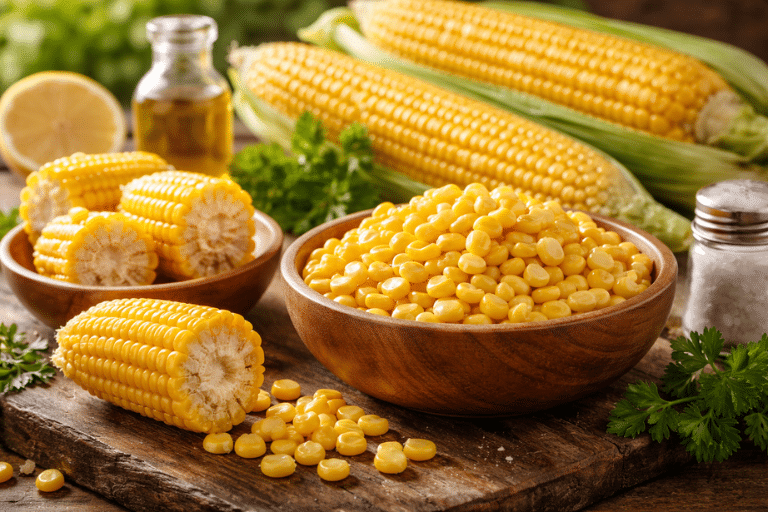
You probably think of sweet corn as a simple summer side, but it’s doing far more for your body than you realize. When you cook it, certain antioxidants actually increase, and key compounds in those golden kernels may even support cancer defense, heart health, and blood sugar control. Add in its role in digestion, eye protection, and gluten-free diets, and sweet corn starts to look very different from its reputation.
How Cooking Boosts Sweet Corn’s Antioxidants
Although you might assume raw sweet corn is always the healthier choice, cooking it actually boosts its antioxidant power in several important ways. When you boil or steam the kernels, heat breaks down cell walls and releases bound phytochemicals that raw corn keeps locked away.
As a result, total antioxidant activity can climb 22–53%, with one 25‑minute treatment at 115°C boosting it by 44%. You also gain more phenolic compounds—about a 54% increase—plus higher vitamin E and other protective plant chemicals. Because sweet corn is also naturally gluten‑free, it can offer these enhanced antioxidant benefits even to people who need to avoid gluten-containing grains.
Even though you lose about 25% of corn’s small vitamin C content, the overall antioxidant capacity still rises. In fact, processed sweet corn can reach activity comparable to 210 mg of vitamin C per 100 g, easily surpassing raw.
Ferulic Acid and Sweet Corn’s Cancer-Fighting Power
While sweet corn is best known for its natural sweetness, one of its most powerful health allies is a phenolic compound called ferulic acid, which shows promising cancer-fighting activity in lab and animal studies.
When you eat cooked sweet corn, you get about 42 mg of ferulic acid per 100 grams, and cooking actually makes more of it available to your body. In rat models of Ehrlich solid carcinoma, ferulic acid treatment significantly increased survival time and reduced tumor volume and weight.
In tumor-bearing rats, ferulic acid shrinks tumors, cuts their weight, and nearly doubles survival time by slowing cell proliferation and improving tissue structure.
It does this by dialing down growth drivers like cMyc, cyclin D1, mTOR, and STAT3, while boosting antioxidant defenses (Nrf2, HO-1) and lowering inflammation signals (NFκB, TNF-α).
Intact kernels retain more ferulic acid than cornflakes.
How Sweet Corn Supports Heart Health and Blood Sugar
Even with its natural sweetness, sweet corn supports both your heart and your blood sugar thanks to its mix of fiber, potassium, antioxidants, and slowly digested starch.
Its soluble fiber binds cholesterol in your gut, helping lower LDL, while overall fiber intake is tied to a lower risk of cardiovascular disease. A cup of raw sweet corn gives you almost 3 grams of fiber toward your daily goal. It’s also a whole grain, which means you’re getting additional vitamins, minerals, and phytonutrients that support overall heart health. Additionally, consuming brightly colored vegetables alongside sweet corn can enhance your overall nutrient intake.
You also get meaningful potassium, which helps relax blood vessels, regulate blood pressure, and ease strain on your heart.
Despite its taste, corn has a relatively low glycemic index, so it digests slowly and avoids sharp blood sugar spikes.
Lutein, zeaxanthin, and other antioxidants further protect your arteries and support healthier cholesterol patterns.
Corn Fiber for Better Digestion and Gut Health
Corn fiber quietly does a lot of heavy lifting for your digestion and gut health. When you eat sweet corn, its soluble fiber acts like a prebiotic, feeding good gut bacteria such as Lactobacillus and Bifidobacterium. Eating a fiber-rich diet is essential for smooth digestive system function.
These microbes ferment corn fiber and produce short‑chain fatty acids like acetic, valeric, and isobutyric acids that calm intestinal inflammation, improve motility, and support healthier lipid metabolism. In canine studies, higher levels of soluble corn fiber were linked to better stool quality and greater microbial diversity, suggesting it can be a particularly effective prebiotic source.
In your colon, corn fiber absorbs water and swells, creating softer, bulkier stools that move more comfortably and help reduce diarrhea or constipation. It’s also well tolerated, even at relatively high intakes, with your gut adapting over time. Compared with some other fibers, corn fiber reaches the distal colon, where it fine‑tunes microbiota balance and keeps digestion running smoothly.
Lutein, Zeaxanthin and Eye Benefits From Sweet Corn
Although you might first think of leafy greens for eye nutrition, sweet corn quietly delivers two of the most important vision-protective pigments: lutein and zeaxanthin.
These carotenoids concentrate in your macula, where they filter blue light and neutralize free radicals that damage photoreceptors. High intake of lutein and zeaxanthin has been linked to a reduced risk of age-related macular degeneration, the leading cause of legal blindness in older adults. Additionally, sweet corn’s antioxidant properties may contribute to overall eye health by combating oxidative stress.
Unlike most greens, which mainly supply lutein, sweet corn gives you both pigments, and “superyellow” varieties pack even more.
Sweet Corn’s Key Nutrients, Gluten-Free Fit and Diabetes Use
Sweet corn stands out as a naturally gluten-free grain that delivers steady energy and several essential nutrients, making it a smart fit for many diets, including diabetes meal plans.
Each medium cob gives you about 3 grams of protein, 2 grams of fiber, and 270–275 mg of potassium to support healthy blood flow and heartbeat. You also get folate plus B vitamins like B6 and pantothenic acid for metabolism and nerve function. Sweet corn is also rich in carotenoids like lutein and zeaxanthin, which help protect eye health and may lower the risk of age-related macular degeneration.
You benefit from vitamin C, zinc, magnesium, copper, iron, and manganese, along with smaller amounts of vitamins E, K, and other B vitamins.
Because pure corn is gluten-free, it’s suitable if you’ve got celiac disease or gluten sensitivity. Its low glycemic index and fiber help stabilize blood sugar, with ½ cup counting as one carb choice.
Frequently Asked Questions
Does Canned, Frozen, or Fresh Sweet Corn Offer the Most Health Benefits Overall?
You get similar health benefits from canned, frozen, and fresh corn. Choose based on budget and storage, prioritize low- or no-sodium options, rinse canned corn, and skip sugary or sauced versions to keep your choice healthiest.
How Does Sweet Corn Compare Nutritionally to Other Starchy Vegetables Like Potatoes or Peas?
You’ll find sweet corn matches potatoes in calories and carbs but gives more antioxidants, lutein, and zeaxanthin. Compared with peas, you’ll get less protein and fiber, yet still solid folate, potassium, and eye‑protective nutrients.
Is Sweet Corn From Genetically Modified (GM) Crops Less Healthy or More Risky?
You can’t say GM sweet corn’s automatically less healthy or more risky. Major health bodies find approved GM corn as safe as conventional, but critics highlight limited long‑term studies. If you’re concerned, choose certified non‑GMO or organic.
Can Children and Older Adults Safely Eat Sweet Corn Daily for Its Benefits?
Yes, they can, if you serve it appropriately. You’ll mash or puree it for infants, watch for allergies, limit added sugar and salt, and balance portions so fiber, potassium, and antioxidants help without causing bloating.
What Are the Healthiest Ways to Season Sweet Corn Without Adding Too Much Sodium?
You season sweet corn healthfully by using smoked paprika, cumin, salt-free garlic powder, black pepper, lemon or lime juice, and fresh herbs like basil or parsley, grilling or roasting with a light oil rub instead of salty butter.
Conclusion
When you add sweet corn to your meals, you’re not just getting sweetness and crunch—you’re fueling your body with antioxidants, fiber, and key nutrients. Cooking it actually boosts its protective compounds, including ferulic acid, while its low glycemic impact and soluble fiber support your heart, blood sugar, and gut. Plus, its eye-protective carotenoids and naturally gluten-free profile make sweet corn an easy, smart choice for everyday, health-supportive eating.