Detox Heavy Metals: 5 Powerful Health Benefits of Fresh Cilantro
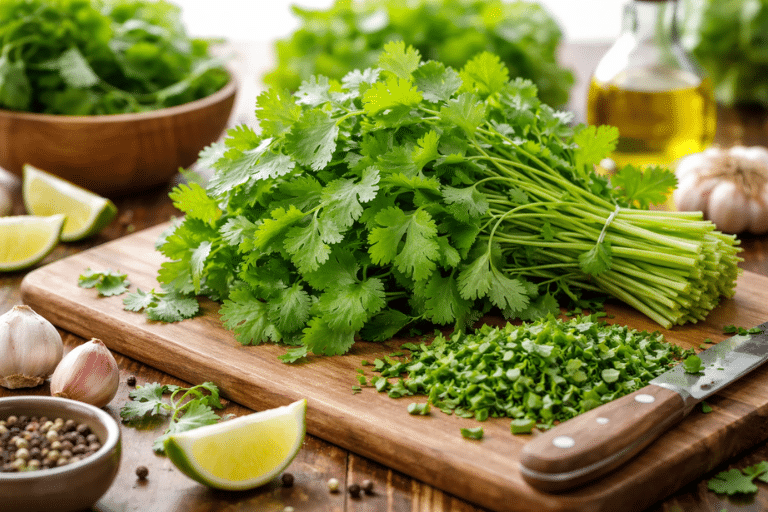
When you hear that fresh cilantro might help your body clear heavy metals, it’s easy to dismiss it as just another wellness trend—but there’s more to it. This common herb may bind certain metals, support your liver, and work even better alongside other botanicals like chlorella. Still, cilantro has real limits and potential pitfalls you’ll want to understand before you start piling it on your plate…
Does Cilantro Really Help With Heavy Metal Detox?
So, does cilantro actually help your body clear heavy metals, or is it mostly hype? When you look past the internet claims, the picture’s mixed but interesting.
Some human trials using cilantro tincture or cilantro-based formulas report 90–100% drops in metals in urine and feces, including lead, mercury, and cadmium. A homeopathic mix with cilantro, chlorella, and CGF outperformed placebo for metal excretion. While these results are intriguing, most studies are small and short-term, so experts still consider the overall evidence for cilantro’s role in heavy metal detox to be preliminary. Additionally, research indicates that moringa’s antioxidant properties could enhance detoxification processes in the body.
But you also see limitations. In lead-exposed children, cilantro extract didn’t beat placebo; researchers mainly credited better diet.
Experts note that cilantro alone may just mobilize metals, with a risk of reabsorption if you’re not using other binders. Animal and lab studies show genuine metal-binding and protective effects, but overall, the evidence is promising, not definitive.
How Cilantro Binds Metals and Protects Your Liver
Think of cilantro as a gentle metal magnet that also shields your liver while it works. Its flavonoids, phenolic acids, and other phytochemicals latch onto metals like lead and mercury, forming complexes your body can move and excrete, mainly through urine. Because these natural compounds act as mild chelating agents, cilantro is being studied as a supportive option alongside conventional detox strategies. Additionally, it may help enhance liver enzyme levels crucial for detoxification.
While these bonds are weaker than those from garlic or milk thistle, they still help mobilize metals out of tissues and away from sensitive organs.
Even with gentler bonds, cilantro still helps escort heavy metals away from your most vulnerable organs
Here’s what that looks like in your body:
- It binds metals in tissues, helps shuttle them into your bloodstream, then toward your kidneys for elimination.
- It reduces how much lead settles into bone and interferes with key enzymes.
- Its coumarins and flavonoids provide antioxidant support, easing liver stress from circulating metals.
What Cilantro Can and Can’t Do for Metal Detox
Cilantro can play a real role in metal detox, but it’s not a magic eraser. You’re working with a plant that can bind metals like mercury, lead, aluminum, cadmium, arsenic, and excess iron, then push them toward urine and feces for excretion. These chelating properties also extend to certain neurotoxins, including phthalates and plasticizers, which cilantro may help the body eliminate.]
Human trials with over 200 participants show sharp drops in metal levels, and lab studies confirm strong cadmium adsorption from fresh leaves.
However, cilantro alone doesn’t guarantee full clearance. It can move metals into cells and tissues without fully escorting them out, allowing reabsorption.
It hasn’t shown meaningful changes in liver metal levels and doesn’t reliably bind metals in connective tissues. Claims that it “pulls metals from the brain” remain unproven, and overall research, while promising, is still developing.
Cilantro Detox Synergy With Chlorella and Other Herbs
While cilantro on its own has clear limits, it becomes far more interesting once you pair it with other botanicals—especially chlorella. Cilantro can bind metals, while chlorella, a freshwater algae rich in chlorophyll, helps trap and carry them out, giving you a more coordinated detox effect than either offers alone. Cilantro Metal Detox™ combines cilantro and chlorella in a liquid herbal formula that’s specifically designed to bind and help eliminate heavy metals from the body.
You’ll often see cilantro combined with chlorella and a few other helpers because each plant targets different aspects of the problem:
- Cilantro + chlorella: Cilantro mobilizes metals; chlorella binds them and supports elimination, with added antioxidant and cellular support. Ginger’s antioxidant properties can further enhance this detox process by neutralizing free radicals that may be released during metal elimination.
- Spirulina: A chlorella relative that offers extra nutrients and similar metal-binding support.
- Turmeric and garlic: Don’t chelate much but help calm inflammation and oxidative stress linked to metal exposure.
How to Use Cilantro Safely for Heavy Metal Support
Because cilantro can mobilize heavy metals from your tissues into your bloodstream, you need to use it in a way that supports elimination rather than accidental redistribution.
Begin low: 1–2 tablespoons of fresh leaves and stems daily in soups, teas, or smoothies, since its metal binding is weaker than garlic or milk thistle. Prefer the whole herb for its flavonoids and phenolic acids; you can also use sun‑dried, finely ground powder or wet pastes for more concentrated adsorbent forms.
Start low: 1–2 tablespoons daily, favoring whole cilantro or concentrated powders and pastes for gentler, broader support
Pair cilantro with vitamin C–rich produce, sulfur‑rich foods like garlic, and selenium sources to support glutathione, liver function, and excretion. Nutritional status strongly influences how much toxic metal your body absorbs and retains, so maintaining good intake of key minerals like calcium and iron is important when using any heavy‑metal support strategy.
Because human data are limited and a child trial found no benefit over placebo for lead, work with a healthcare professional and monitor blood and urine metals where possible.
Frequently Asked Questions
Can I Grow My Own Cilantro for Metal Detox, and Does Soil Quality Matter?
Yes, you can grow your own cilantro for potential metal support, and soil quality absolutely matters. Use rich, clean, organic soil or media, filtered water, and avoid contaminants so the plant develops its best chelating compounds.
Does Cooking or Freezing Cilantro Reduce Its Potential Heavy Metal–Binding Properties?
Cooking cilantro markedly reduces its potential metal-binding properties, while freezing preserves them much better. You’ll get the highest theoretical chelating capacity from raw, fresh cilantro; frozen’s next best, and cooked or dried forms perform worst.
Are Certain Cilantro Varieties Better for Heavy Metal Support Than Others?
You can’t currently pick a “best” cilantro variety for heavy metal support; studies don’t compare strains. You should focus instead on using fresh Coriandrum sativum leaves regularly, since fresh forms show the strongest metal‑binding capacity.
How Does Cilantro Compare to Pharmaceutical Chelators in Cost and Accessibility Worldwide?
Cilantro costs you far less than pharmaceutical chelators and you can access it in most countries without prescriptions. You’ll grow or buy it locally, while drugs like DMSA stay pricey, restricted, and scarce in low‑income regions.
Can Cilantro-Based Water Filters Meaningfully Reduce Heavy Metals in Household Drinking Water?
Yes, cilantro-based filters can meaningfully cut lead and some metals, especially as low-cost biochar. You’d still need proper design, flow control, and testing, and you shouldn’t treat them as a certified, stand‑alone solution yet.
Conclusion
When you use fresh cilantro regularly, you’re giving your body gentle support against heavy metals while nourishing your liver and overall health. It’s not a cure‑all or a replacement for medical detox, but it can be a smart part of a broader wellness plan. Pair it with chlorella, ginger, and a nutrient‑dense diet, and you’ll create a simple, food‑based strategy to help your body process and eliminate everyday toxins more efficiently.