Dairy-Free Delights: 6 Creamy Benefits of Coconut Milk for Gut Health
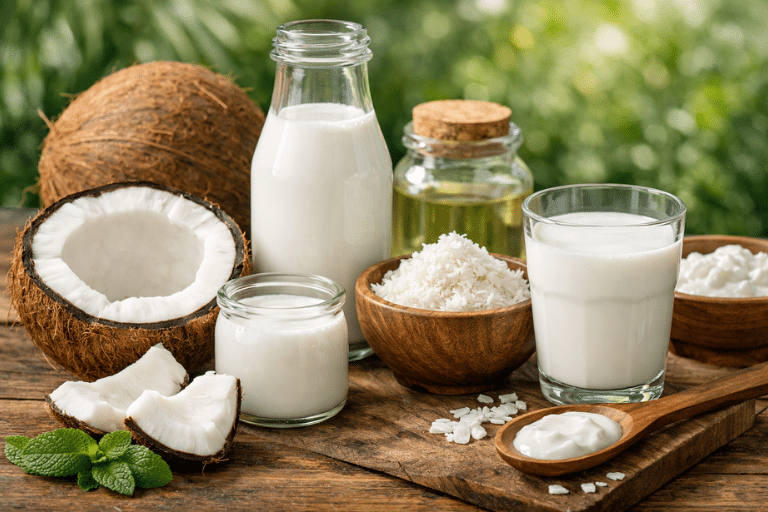
If dairy tends to leave your stomach unsettled, coconut milk might be a gentler option that still feels rich and satisfying. You get a lactose-free base that’s easier to tolerate, along with fats your gut can actually use for energy. There’s also a surprising mix of anti-inflammatory compounds, electrolytes, and protective properties at work in every sip. To see how these six creamy benefits might fit into your routine, you’ll want to explore.
Is Coconut Milk Good for Gut Health?
Curious whether coconut milk actually helps your gut? It does more than add creaminess. Its fiber supports regular bowel movements, helps prevent constipation, and feeds beneficial gut bacteria. Coconut water’s bioactive compounds have shown anti-inflammatory and antioxidant effects in IBD research, suggesting coconut-based foods may also support gut barrier integrity and immune balance. Additionally, ginger’s antimicrobial properties can help combat harmful organisms, complementing the benefits of coconut milk.
That same fiber slows digestion, smoothing blood sugar swings while working with manganese to support digestive enzyme production.
You also get medium-chain triglycerides that your body quickly turns into energy instead of storing as fat. About half are lauric acid, which converts to monolaurin, an antimicrobial compound that targets harmful organisms in your digestive tract.
Coconut milk’s antioxidants and phenolic compounds protect gut cells from oxidative damage, while anti-inflammatory components help your stomach lining stay resilient.
Animal studies even show it can shrink ulcers and support mucosal healing, reinforcing overall digestive health.
Lactose-Free Comfort: Easier on Your Gut Than Dairy
Beyond its direct benefits for your gut lining and microbiome, coconut milk often simply feels better in your system than regular dairy.
It’s completely lactose-free, so you avoid the gas, cramping, diarrhea, and nutrient loss that undigested lactose can trigger—issues that affect much of the world’s population. If you don’t produce enough lactase, coconut milk lets you enjoy creamy drinks and recipes without digestive backlash. Many lactose-intolerant individuals also get comparable calcium and vitamin D by choosing fortified coconut milk instead of cow’s milk. Additionally, its low glycemic index helps stabilize blood sugar levels, further supporting digestive health.
It also works if you’re allergic or sensitive to cow’s milk proteins like whey or casein. Coconut isn’t a major allergen per the FDA, and it sidesteps common triggers found in soy or almond milks.
Unsweetened varieties, in modest portions, often sit more comfortably if you’re managing IBS or following dairy-free diets.
Anti-Inflammatory Benefits: How Coconut Milk Soothes Your Gut
Inflammation sits at the root of many gut problems, and coconut milk offers several compounds that help dial it down. When you drink it, lauric acid converts to monolaurin, which calms chronic low-grade inflammation and supports a resilient gut lining. By discouraging harmful bacteria and fungi, it reduces triggers that keep your gut on edge.
You also get antioxidant phenols and flavonoids that neutralize free radicals and lower oxidative stress. These compounds suppress inflammatory markers like TNF-α and IL-1β, protecting gut cells from damage. Choosing unsweetened varieties also helps you avoid added sugars that can fuel inflammation and disrupt a healthy gut microbiome. Furthermore, coconut milk’s anti-inflammatory properties are comparable to those of curcumin, which is known for its ability to reduce joint inflammation and improve gut health.
Animal studies show coconut milk can shrink stomach ulcers and promote mucosal healing, while soothing flare‑prone tissue.
Minerals such as magnesium and potassium, plus amino acids like arginine and glutamine, further steady inflammatory pathways and help maintain intestinal integrity.
MCTs in Coconut Milk: Fast Fuel Your Gut Can Digest
While many fats can feel heavy on your digestion, the medium-chain triglycerides (MCTs) in coconut milk act more like quick, clean fuel your gut can actually handle. They bypass much of the normal digestive process, slip straight into your bloodstream, and head to your liver for rapid energy instead of sitting in your stomach. This makes them an ideal fast-acting energy source that can help support both mental focus and physical performance.
That means less strain on digestion and more usable fuel.
Here’s how those MCTs work for you:
- They’re converted to ketones, feeding gut cells with steady energy while being less likely to store as body fat.
- Lauric acid’s gentle antimicrobial action helps keep harmful bacteria in check and supports a balanced gut environment.
- They’re lactose-free, creamy, and far easier to tolerate than many traditional dairy fats.
Hydration & Electrolytes: Keeping Your Digestion Moving
Even though coconut milk isn’t as electrolyte-packed as coconut water, it still quietly supports your hydration in ways your gut appreciates. You get potassium to help balance fluids, counter sodium, and keep blood pressure in check, which all supports smoother digestion. While it isn’t a direct source of probiotics, its gut-friendly fats and fiber create a nourishing environment that may help beneficial bacteria thrive.
That same potassium, along with smaller amounts of manganese, copper, and iron, helps prevent dehydration-related fatigue that can slow your whole system down.
When you’re properly hydrated, your intestines move waste more efficiently, so you’re less likely to feel backed up or bloated. Coconut milk’s combination of fluids, electrolytes, and a bit of fiber promotes regular bowel movements and steadier energy.
It’s especially helpful after activity or in hot weather, when you need more than plain water to keep digestion moving.
Coconut Milk’s Defenses: Germ and Ulcer Protection
Long before probiotics were trendy, coconut-based foods were quietly offering built-in defenses for your gut. When you drink coconut milk or water, you’re not just hydrating, you’re arming your digestion with compounds that target germs, calm inflammation, and even guard against ulcers. Coconut milk also delivers medium-chain triglycerides, which are efficiently metabolized to support both energy production and overall digestive comfort.
1. Natural germ fighters: Coconut’s lauric acid converts to monolaurin, which disrupts harmful bacteria, fungi, and viruses, including E. coli and Candida. This can reduce gas, bloating, and infections.
2. Anti-inflammatory shield: Polyphenols, cytokinins, and monolaurin help lower inflammatory markers like TNF-α, easing irritation and supporting mucosal healing.
3. Ulcer protection and repair: Animal research shows coconut milk can shrink stomach ulcers as effectively as certain drugs, while enzymes and natural sugars soothe and help rebuild the gut lining.
Frequently Asked Questions
Can Coconut Milk Worsen Symptoms for People With FODMAP Sensitivities or IBS?
Yes, it can. You may react to coconut milk’s sorbitol, oligosaccharides, and high fat. Stick to low-FODMAP serves, choose light or unsweetened versions, avoid inulin, and test your tolerance in small, spaced-out amounts.
How Does Canned Coconut Milk Compare to Fresh or Boxed Varieties Nutritionally?
You’ll find canned coconut milk denser in calories, saturated fat, and natural coconut nutrients, while boxed is lighter, calcium‑fortified, and additive‑thickened. Fresh gives you fewer additives, more enzymes and antioxidants, but spoils much faster.
Is Coconut Milk Safe for Children and Toddlers With Dairy Allergies?
It can be safe, but you must ask your child’s allergist first and confirm brands are dairy-free. Don’t use coconut milk as a primary drink for infants or main milk for under‑5s; it lacks key nutrients.
Can You Overconsume Coconut Milk, and What Are the Potential Side Effects?
Yes, you can overconsume coconut milk. If you drink it too often, you risk weight gain, higher cholesterol, digestive upset, nutrient gaps, allergy reactions, and drug interactions, especially with canned, full‑fat, or sweetened versions.
Does Coconut Milk Affect Cholesterol Levels or Cardiovascular Health Over Time?
Yes, it can. You’ll likely see LDL drop and HDL rise with moderate coconut milk, improving lipid ratios. But long-term cardiovascular impacts aren’t fully known, so you shouldn’t replace proven heart-healthy fats or medical treatments.
Conclusion
Coconut milk lets you enjoy creamy comfort while giving your gut real support. You get easy digestion without lactose, anti-inflammatory perks, quick-burning MCT fuel, and steady hydration with helpful electrolytes. Its natural compounds may even help protect against harmful germs and ulcers. When you swap dairy for coconut milk, you’re not just changing flavors—you’re choosing a gentler, gut-friendly option that can fit into your daily routine and support better digestive health over time.