15 Cranberry Juice Benefits for UTIs, Gut & Immunity
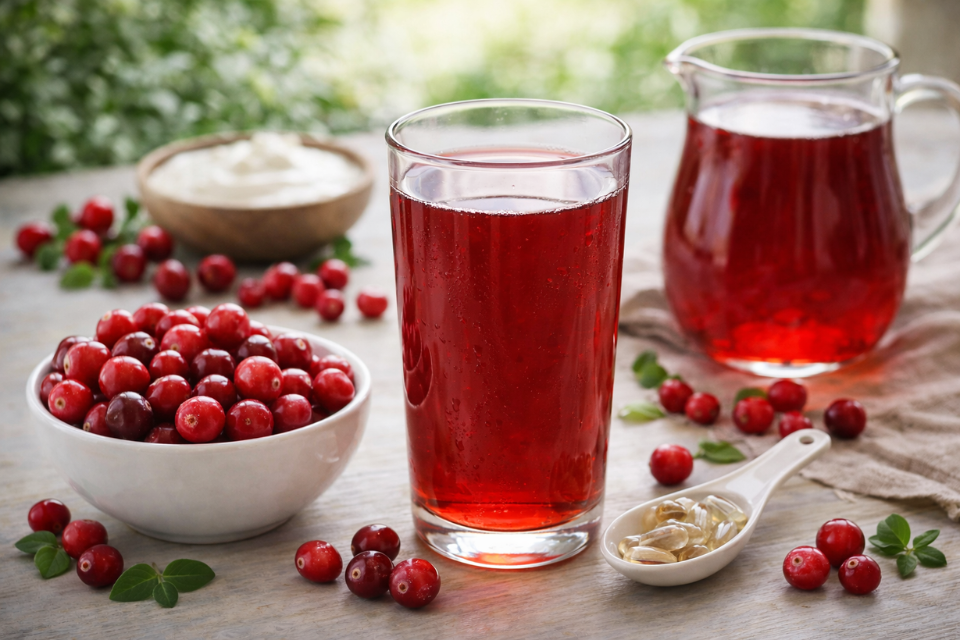
You’ve heard cranberry juice helps UTIs, but you might not know how it also supports your gut and immune system. You’ll see how its proanthocyanidins block bacteria, what doses actually work, and when capsules beat juice. You’ll learn how to choose 100% juice, pair it with probiotics and fiber, and time it for the best effect. You’ll also find out who should avoid it and when it may worsen kidney stones. Ready for the full picture?
How Cranberry Juice Helps Prevent UTIs
Although no drink can guarantee prevention, cranberry juice may help lower your risk of urinary tract infections by making it harder for bacteria—especially E. coli—to stick to the lining of your urinary tract.
You’ll get this effect from cranberry’s proanthocyanidins (PACs), which disrupt fimbriae that bacteria use to latch onto cells. When adhesion weakens, microbes flush out with urine rather than multiply.
Choose 100% cranberry juice or a PAC-standardized cranberry extract beverage; many cocktails are mostly sugar and water.
Aim for consistent intake rather than occasional sips. If you’re on warfarin or prone to kidney stones, ask your clinician before adding cranberry regularly.
Drinking 240 to 300 ml of cranberry juice daily may lower UTI recurrence risk, especially when combined with adequate hydration.
Cutting Recurrent UTIs Without Antibiotics
Even without antibiotics, you can shrink your risk of repeat UTIs by targeting how bacteria access and persist in the urinary tract.
Reduce repeat UTIs by disrupting bacterial access and persistence in your urinary tract.
You’ll gain ground by hydrating, peeing regularly, and not holding urine. Urinate after sex to flush microbes. Wipe front to back, choose breathable underwear, and avoid irritating soaps or douches.
Cranberry’s proanthocyanidins hinder E. coli from sticking to bladder walls, helping you clear bacteria naturally.
Pair this with adequate vitamin C–rich foods, which support urine acidity and immune defenses. Manage constipation to reduce urinary stasis.
If you use spermicides or diaphragms, consider alternatives. Track triggers and symptoms, and seek care when they escalate. Adding warm herbal teas can support hydration and soothe discomfort while recovering.
Clinically Supported Doses and Frequency
You’ll get the most from cranberry juice by sticking to an effective daily intake backed by studies.
We’ll cover how much to drink, when to take it relative to meals, and how long to continue for prevention or symptom support. This helps you match your routine to doses used in clinical research.
Effective Daily Intake
For most adults, clinically studied doses center on 8–10 ounces (240–300 mL) of 27% cranberry juice cocktail once or twice daily, or 1–2 cups (240–480 mL) of unsweetened 100% cranberry juice per day.
These amounts reliably deliver proanthocyanidins (PACs) linked to urinary benefits.
If you prefer capsules, look for products providing 36 mg PACs daily (measured by BL-DMAC), split or single.
Choose options with minimal added sugar; unsweetened juice or light cocktail helps manage calories.
Stay consistent with your chosen form.
If you’re sensitive to acidity or on warfarin, consult your clinician before setting your daily intake.
Timing And Duration
While dose matters, timing does too: take cranberry juice or PAC-standardized capsules consistently, ideally with meals to reduce gastric discomfort and support steady absorption.
Split daily PAC totals (36 mg) into two doses, morning and evening, to maintain anti-adhesion activity in urine. For prevention, use daily for at least 4–12 weeks; benefits often persist with continued use.
For acute UTI adjunct support, start immediately and continue 7–10 days alongside prescribed care. Don’t exceed labeled servings. Hydrate well to support urinary flow.
If you’re pregnant, on warfarin, or prone to kidney stones, confirm timing and duration with your clinician.
100% Juice vs. Cocktail: Read Labels Right
You’ll spot big differences between 100% juice and “cocktail” by checking juice content standards on the front and Nutrition Facts on the back.
Scan added sugars to see how much sweetener bumps calories and dilutes cranberry’s benefits.
Read the ingredient list: look for “cranberry juice” (or concentrate + water) first and watch for corn syrup, artificial flavors, and color additives.
Juice Content Standards
One quick way to shop smarter is to check how much real cranberry juice is inside the bottle.
“100% juice” means the liquid comes entirely from fruit juices (often a blend, not just cranberry), with no added sugars—though natural fruit sugars remain.
“Cranberry juice cocktail” typically contains around 25–30% cranberry juice diluted with water and sweeteners.
To compare products, read the percent juice line near the Nutrition Facts panel. If it says “from concentrate,” it’s still 100% juice when reconstituted to original strength.
Look for “cranberry juice” or “cranberry juice blend” on the front, then verify the percentage.
Prioritize higher cranberry content for more authentic flavor and potential benefits.
Added Sugars Explained
Even if the front says “100% juice,” the real sugar story hides on the Nutrition Facts label. You’re looking for “Total Sugars” and “Includes Xg Added Sugars.”
Pure cranberry is tart, so many products add cane sugar or syrups. A “cocktail” often packs more added sugars than 100% juice blends.
Compare serving sizes; brands sometimes shrink them to look sweeter-less. Aim to keep added sugars low while meeting taste.
- Check “Includes Added Sugars” grams per serving.
- Scan serving size; recalibrate per bottle.
- Prefer unsweetened or no-sugar-added.
- Watch for juice cocktails with higher totals.
- Balance sweetness with seltzer.
To support heart health while watching sugar, remember that high blood pressure risk can be lowered with mindful dietary choices like reducing sodium and choosing heart-healthy options.
Ingredient List Tips
How can a quick glance at the ingredient list save you from buying a sugar-heavy “cranberry” drink?
Scan for “100% juice” first. If it says “cranberry juice cocktail,” it’s typically diluted and sweetened. Check the percentage: 27% cranberry juice is common; lower means more fillers.
Prioritize “cranberry juice” or “cranberry juice from concentrate” listed first. If water, apple or grape juice, or corn syrup appear before cranberry, you’re getting mostly sweeteners.
Avoid added sugars like sucrose, HFCS, cane sugar, or “fruit sugar.” Spot nonnutritive sweeteners if you’re avoiding them. Look for “no added sugar.”
Shorter lists are better. When in doubt, choose unsweetened cranberry juice and dilute to taste.
Cranberry Juice vs. Capsules: When Each Works Best
While both cranberry juice and capsules deliver the fruit’s signature proanthocyanidins (PACs), they don’t fit every situation equally. You’ll pick based on dose, sugar, convenience, and your goals.
Juice hydrates and offers quick PAC exposure; capsules standardize PACs without extra calories. For prevention, steady daily PAC intake matters. During early UTI symptoms, rapid, higher PAC delivery may help alongside fluids and medical advice.
Juice hydrates fast; capsules deliver precise PACs. Daily intake prevents; early symptoms need higher, rapid dosing.
Watch labels: seek 36 mg PACs (daily) from validated sources.
- Choose juice for hydration and fast access.
- Choose capsules for precise dosing.
- Avoid added sugars.
- Time doses with meals.
- Confirm PAC content and brand testing.
Cranberry Polyphenols and Your Gut Microbiome
You don’t just drink cranberry juice for antioxidants—you feed beneficial gut bacteria with its polyphenols.
These compounds also help block harmful microbes from sticking to intestinal and urinary tract surfaces.
As your microbiome processes them, you support short-chain fatty acid production that benefits gut lining and immune balance.
Polyphenols Feed Beneficial Bacteria
Even before they deliver antioxidants to your bloodstream, cranberry polyphenols go to work in your gut, serving as fuel for beneficial microbes.
You don’t fully digest these compounds; your microbiome does. As bacteria metabolize them, they produce short-chain fatty acids that support your intestinal lining, regulate inflammation, and help maintain balanced pH.
You gain better barrier function, fewer gas-producing imbalances, and more resilient digestion. Choose unsweetened cranberry juice or whole-berry products to maximize polyphenols without excess sugar.
Pair them with fiber-rich meals to slow absorption and extend fermentation time, amplifying benefits and keeping your gut ecosystem steady and diverse.
- Sip 4–8 ounces with meals
- Combine with oat or chia puddings
- Blend into kefir smoothies
- Use as a vinaigrette base
- Alternate with green tea
Inhibit Pathogen Adhesion
Although cranberry juice is often praised for urinary benefits, its polyphenols also curb troublemakers in your gut by blocking their ability to stick to intestinal cells.
You’ll find proanthocyanidins (PACs) especially effective; they interfere with bacterial adhesins, making it harder for pathogens to latch onto your mucosal surfaces. When microbes can’t attach, they struggle to colonize, form biofilms, or produce toxins, so your gut environment tilts toward balance.
You don’t need large amounts to see effects. Incorporate a low-sugar cranberry juice or standardized extract, and pair it with fiber-rich meals.
Consistent, moderate intake supports resilience while helping keep pathogenic overgrowth in check.
Support Short-Chain Fatty Acids
Beyond blocking bad actors, cranberry polyphenols also feed the microbes that make short-chain fatty acids (SCFAs) like acetate, propionate, and butyrate.
You metabolize these compounds with help from gut bacteria, which then return the favor by producing SCFAs that nourish your colon cells, fortify your gut barrier, and modulate inflammation.
Better SCFA balance supports regularity, glucose control, and immune resilience.
Choose unsweetened cranberry juice or whole-berry products to maximize polyphenols without excess sugar.
Pair with fiber-rich meals to amplify microbial fermentation and SCFA output.
Consistency matters—small daily servings work best.
- Go tart, not sweet
- Pair with fiber
- Sip daily
- Mind portion size
- Choose whole-berry options
Cranberry Juice and the Vaginal Microbiome
While research keeps evolving, cranberry juice may influence the vaginal microbiome by supporting a healthier balance of bacteria and deterring certain uropathogens that can disrupt it.
You’re not replacing targeted care, but you may reinforce conditions that favor Lactobacillus dominance, a marker of vaginal health. Cranberry’s organic acids can modestly lower pH in the urinary tract, which may complement vaginal acidity patterns linked to resilience.
Choose unsweetened juice to avoid excess sugar that could undermine microbial balance.
Pair it with habits that support vaginal health: breathable underwear, gentle hygiene, and hydration. If you’re prone to imbalance, discuss dietary strategies with your clinician.
Immune Defense: Anti-Adhesion and Antioxidant Roles
Cranberry juice supports your immune defense by using proanthocyanidins to block bacterial adhesion to tissues.
Its antioxidants help you neutralize free radicals that stress immune cells.
Together, these anti-adhesion and free radical–scavenging actions can work synergistically to bolster your body’s defenses.
Proanthocyanidin Anti-Adhesion
One key reason cranberry juice supports immune defense is its proanthocyanidins (PACs), which block bacteria like E. coli from latching onto urinary tract and gut linings.
By disrupting fimbriae—the sticky projections bacteria use to cling—PACs help you flush microbes out when you urinate or move your bowels.
That means fewer opportunities for colonies to establish and trigger inflammation. You’re not sterilizing your system; you’re tipping the balance toward healthy clearance.
Choose products standardized for PAC content (often reported as mg PACs) and consistent daily intake.
- Choose 36 mg PACs/day
- Sip with water
- Don’t add sugar
- Pair with fiber
- Track symptom patterns
Free Radical Scavenging
Even as PACs keep microbes from sticking, cranberry’s polyphenols also neutralize free radicals that would otherwise damage cell membranes and immune proteins.
You get two lines of defense: fewer pathogens attaching, plus less oxidative stress sabotaging barriers and signaling. By scavenging reactive oxygen species, these compounds help preserve receptor integrity, enzyme function, and epithelial tight junctions.
That supports vigilant surveillance without tipping into inflammatory overdrive. You’ll also protect lipids from peroxidation, keeping urinary and gut surfaces more resilient.
Choose unsweetened juice or standardized extracts to concentrate benefits. Consistent intake matters; your cells face oxidative hits daily, not occasionally.
Synergistic Immune Support
While microbes probe for footholds, you get a dual boost: cranberry’s proanthocyanidins block bacterial adhesion, and its polyphenols quench oxidative stress.
This synergy lightens your immune load, letting innate defenses focus on swift cleanup instead of constant alarms. You support mucosal barriers, maintain a friendlier urinary tract terrain, and temper inflammatory sparks that drain resilience.
Pairing these actions helps you stay ahead of recurrent irritations without overreliance on quick fixes. Think of it as smart shielding plus cleanup, working in tandem throughout your day.
- Choose unsweetened juice
- Sip with meals
- Pair with vitamin C
- Stay hydrated
- Monitor personal responses
Taming Inflammation With Cranberry Antioxidants
Because inflammation underlies many chronic issues, cranberry juice’s antioxidants deserve attention for their calming power.
You’ll find polyphenols—especially proanthocyanidins—help modulate inflammatory pathways, tamping down oxidative stress that keeps tissues irritated. By neutralizing free radicals, they protect cell membranes, support microcirculation, and help maintain a balanced immune response without overreacting.
You can make smart choices: pick unsweetened or low-sugar varieties to avoid spikes that can fuel inflammation. Aim for modest, consistent intake alongside fiber-rich meals to steady absorption.
If you’re on blood thinners or have kidney stone risk, check with your clinician. Otherwise, enjoy cranberry’s tart lift as part of your anti-inflammatory routine.
Lowering H. Pylori Risk and Supporting Eradication
Although it’s not a standalone cure, cranberry juice may help lower your H. pylori risk and support eradication efforts. Its proanthocyanidins can reduce bacterial adhesion to the stomach lining, making it harder for H. pylori to persist.
You’ll still need clinician-guided therapy if you test positive, but cranberry juice can be a practical add-on to your routine.
- Choose unsweetened, 100% cranberry juice or a low-sugar blend.
- Aim for small daily servings alongside meals.
- Pair with prescribed antibiotics as directed by your provider.
- Monitor symptoms and follow up on testing for eradication.
- Stop if you notice irritation or interactions.
Cranberry Juice for Blood Sugar and Heart Markers
Beyond stomach health, cranberry juice may also influence blood sugar control and heart markers. You’ll find polyphenols that can modestly improve insulin sensitivity and reduce post-meal oxidative stress.
Small clinical trials suggest unsweetened or low-calorie cranberry drinks may slightly lower fasting glucose and HbA1c in some people.
For your heart, cranberries’ anthocyanins can help reduce LDL oxidation, support endothelial function, and modestly lower triglycerides.
Choose 100% juice or light versions to avoid added sugars that counter benefits. Aim for 4–8 ounces a few times per week, paired with balanced meals.
Monitor your response if you use diabetes or cholesterol medications.
Kidney Stones: When Cranberry Helps or Harms
While cranberries shine for urinary tract health, their role in kidney stones is nuanced. You’ll want to match cranberry habits to your stone type.
If you form calcium oxalate stones, cranberry’s oxalate and acid load can raise risk. If you’re prone to struvite stones, cranberry’s urine‑acidifying effect may help. For calcium phosphate stones, extra acidity can be protective. Always confirm your stone analysis and urine chemistry before sipping daily.
- Choose low‑oxalate intake if you’ve had calcium oxalate stones
- Prefer unsweetened juice; limit to small servings
- Hydrate: aim for pale‑yellow urine
- Pair with calcium‑rich meals
- Ask your clinician about citrate or pH targets
Best Pairings: Probiotics, Fiber, and Meals
If you want more from cranberry juice, pair it smartly with foods and microbes that boost its benefits.
Drink it with meals to blunt sugar spikes and improve absorption of polyphenols. Add a probiotic yogurt or kefir; live cultures may support urinary and gut defenses alongside cranberry’s PACs. Choose strains like Lactobacillus rhamnosus or reuteri.
Boost fiber to feed your microbiome and slow digestion. Mix juice into chia pudding, overnight oats, or a smoothie with flaxseed and spinach.
Snack on almonds or pumpkin seeds for added fat and satiety. Prefer 100% juice or diluted concentrate; skip high-sugar blends.
Who Should Avoid or Limit Cranberry Juice
Even though cranberry juice has perks, some people should skip it or keep portions small. You’ll want to be mindful if you’re managing specific conditions or meds.
Cranberry’s acids, sugar, and vitamin K can complicate things. Check labels for added sugar and opt for unsweetened varieties when appropriate. If any of these apply, talk to your clinician before sipping daily.
- You take warfarin or other blood thinners (cranberry may affect INR).
- You form kidney stones, especially calcium oxalate.
- You have GERD or frequent heartburn.
- You have diabetes and count carbs (juice raises glucose).
- You’re sensitive to salicylates or experience GI upset.
Best Times to Drink for Maximum Benefit
For the biggest payoff, time cranberry juice to your goals. Drink a small glass with breakfast to support gut health and steady energy.
For UTI defense, sip 4–8 ounces twice daily, ideally morning and evening, to keep anti-adhesion compounds circulating. Take it 30 minutes before meals if you’re targeting digestion and regularity. Hydrate with water alongside to enhance dilution and urinary flow.
Sip 4–8 ounces twice daily for UTI defense—morning and evening—with water to boost urinary flow.
Before workouts, choose a light serving for quick carbs and antioxidants. After travel or during cold season, make it a daily habit with meals.
Avoid drinking late at night if nocturia bothers you. Choose unsweetened juice or low-sugar blends.
Frequently Asked Questions
Does Cranberry Juice Interact With Common Medications Like Warfarin or Statins?
Yes. You risk increased warfarin effects and bleeding; monitor INR closely. Statin interactions seem unlikely, but rare cases exist. You should limit large cranberry amounts, avoid supplements, and discuss with your clinician, especially if you take warfarin, antiplatelets, or other anticoagulants.
Can Children Safely Drink Cranberry Juice for UTI Prevention?
Yes, kids can drink small amounts for UTI prevention, but evidence’s mixed. Choose unsweetened juice, limit added sugar, and avoid if they’re on warfarin. Check with their pediatrician, especially for recurrent UTIs, kidney issues, allergies, or stomach sensitivity.
Are There Differences Between Red and White Cranberry Juice Benefits?
Yes. You’ll get more proanthocyanidins and antioxidants from red cranberry juice; white is milder, less tart, and lower in these compounds. Choose unsweetened red for potential UTI support; pick white for lighter flavor and fewer tannins.
How Should Cranberry Juice Be Stored to Preserve Polyphenols?
Store cranberry juice cold, sealed, and away from light. Keep it refrigerated at 34–40°F (1–4°C), minimize air exposure, and choose opaque containers. Don’t heat it; pasteurization’s fine. Freeze promptly for longer storage, and avoid repeated temperature swings.
Does Pasteurization Reduce Cranberry Juice’s Health Benefits?
Yes—pasteurization slightly reduces heat‑sensitive vitamins and some polyphenols, but you still get meaningful benefits. Choose 100% juice, minimal added sugar, and gentle processing (flash pasteurization). Store it cold, sealed, and away from light to preserve remaining antioxidants.
Conclusion
You’ve got a simple, science-backed tool in cranberry juice. Use it to help block UTIs, support your gut, and bolster immunity—especially when you choose 100% unsweetened juice in clinically supported amounts. Pair it with probiotics and fiber, time it with meals, and consider capsules if sugar or volume is a concern. Check labels, watch for interactions, and avoid it if you’re prone to certain kidney stones. With smart choices, you’ll get benefits without the downsides.