12 Chia Seed Water Benefits for Weight Loss & Digestion
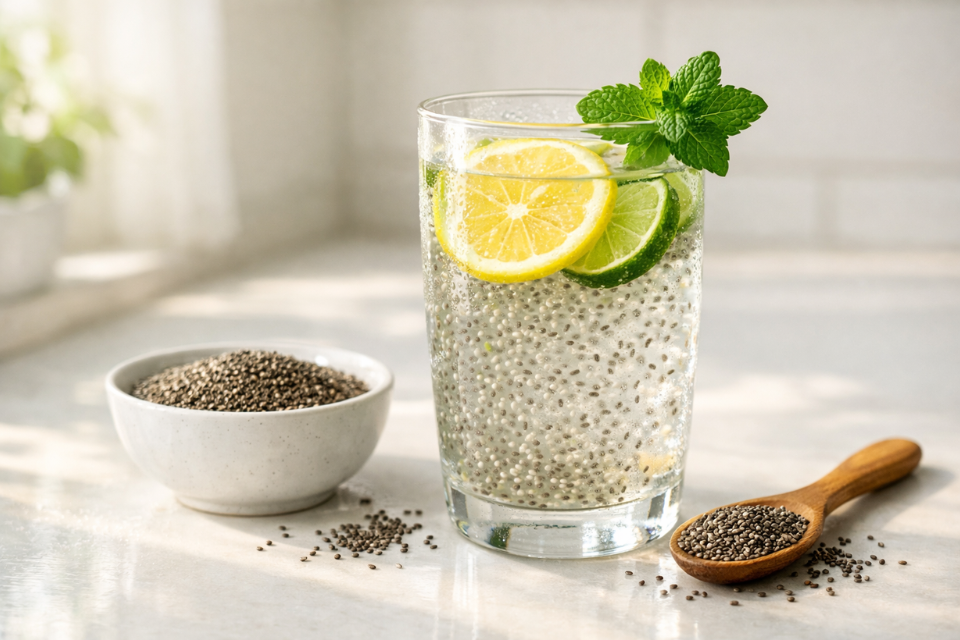
You’ve heard chia seed water can help with weight loss and digestion, but you might wonder how it actually works. The gel-forming fiber expands in your stomach, curbing cravings and steadying energy. Its prebiotic fiber supports gut health, while gentle hydration keeps things moving without harsh laxatives. It’s low-calorie, mineral-rich, and easy to time before meals. But dosage, timing, and a few pitfalls matter—plus it’s not for everyone. Here’s what to know next.
How to Make Chia Seed Water (Dosage and Timing)
Although it’s simple to make, chia seed water works best when you get the ratio and timing right.
Use 1 tablespoon of chia seeds per 8–10 ounces of water. Stir well, wait 5–10 minutes, then stir again to prevent clumping. Let it gel for 15–30 minutes until it’s thick and evenly hydrated.
Use 1 tbsp chia per 8–10 oz water; stir, rest, stir, then gel 15–30 minutes.
Drink 1 serving once or twice daily. For digestion support, have a glass 20–30 minutes before breakfast. If you’re new to chia, start with 1 teaspoon and increase gradually to reduce bloating.
Stay hydrated throughout the day. Add lemon or a pinch of salt for flavor, if you like.
Chia Seed Water for Lasting Fullness
You’ll feel fuller longer because chia’s gel-forming fiber swells with water and adds volume in your stomach.
This thick gel can slow gastric emptying, stretching the stomach and extending satiety.
It may also support appetite hormones like GLP-1 and ghrelin balance, helping you curb snacking between meals.
Plus, pairing chia with ginger may enhance satiety and digestion thanks to ginger’s support for gastrointestinal motility and enzyme production.
Gel-Forming Fiber Mechanics
When chia seeds meet water, their soluble fiber pulls in liquid and swells into a gel that slows how quickly food leaves your stomach. You’ll feel steady fullness because the gel increases volume without many calories.
This matrix traps water and disperses nutrients, creating a thicker mixture that’s more satisfying to sip. The mucilage layer also reduces rapid spikes in hunger by moderating how quickly you absorb what you drink.
To make the most of it, hydrate the seeds fully and stir well so the gel forms evenly.
- Use 1–2 tablespoons per cup of water
- Let sit 10–20 minutes
- Stir again before drinking
- Drink with adequate fluids
For added anti-inflammatory support, pair chia water with antioxidant-rich foods like blueberries, kale, or spinach to help counter oxidative stress and promote steadier energy.
Slower Gastric Emptying
That same gel-forming fiber doesn’t just add volume—it slows gastric emptying so the drink lingers in your stomach longer. You’ll feel pleasantly full because the hydrated seeds create a viscous gel that delays the movement of stomach contents into the small intestine. That slower transit means steadier energy from your meal and fewer urges to snack soon after. To use it strategically, drink chia seed water 20–30 minutes before meals. Start with 1 tablespoon seeds in 8–12 ounces water, let it gel 10–15 minutes, then sip. Hydrate well throughout the day, and increase gradually to avoid discomfort while you gauge your ideal portion. Drinking water helps fiber work effectively by aiding smooth waste movement throughout the digestive tract.
Appetite Hormone Support
Although chia seed water works mechanically in your gut, it may also nudge key appetite hormones in your favor. As the gel forms, you feel fuller, but there’s more: soluble fiber can modulate GLP‑1 and PYY, signals that tell your brain you’ve had enough.
At the same time, steady glucose from fiber may reduce ghrelin spikes between meals, cutting urges to graze. You’ll likely find it easier to keep portions reasonable and avoid impulsive snacking.
- Support GLP‑1 and PYY for satiety
- Blunt ghrelin peaks that trigger hunger
- Promote steadier post‑meal glucose
- Reinforce consistent, lower‑calorie choices
Steadier Energy and Fewer Cravings
You’ll feel steadier energy thanks to chia’s slow-carb release.
Slow-Carb Energy Release
Steady fuel matters when you’re trying to curb cravings, and chia seeds deliver it. When soaked, they form a gel that slows carb digestion, releasing energy gradually instead of all at once. You stay satisfied longer, so you’re less likely to reach for quick fixes.
Pair chia water with meals or sip it mid-morning to bridge the gap to lunch. The fiber and gel-like texture help pace how quickly you use what you eat, turning spikes into a smooth glide.
- Soak 1 tablespoon chia in 8–10 ounces water
- Wait 10–15 minutes for gel
- Add lemon or cinnamon
- Drink before hunger hits
Balanced Blood Sugar
That same slow, gel-fueled release doesn’t just keep you fuller—it helps smooth out blood sugar swings.
When chia seeds soak, their soluble fiber forms a viscous gel that slows carbohydrate absorption. You digest glucose more gradually, so your bloodstream gets a steady trickle instead of a spike-and-crash surge.
You also get a small bump of protein and fat, which further tempers glycemic response. This steadier flow supports stable energy and clearer focus through the morning or afternoon.
Mix a tablespoon of chia seeds into water, let it thicken 10–15 minutes, then sip. You’ll support a calmer metabolic rhythm and feel more in control.
Reduced Midday Snacking
One simple glass of chia seed water can curb those 3 p.m. cravings. The gel-like fiber swells in your stomach, slowing digestion and releasing energy steadily. You feel satisfied longer, so you skip the vending machine.
The mild protein and omega-3s also support satiety signals, helping you focus instead of grazing. Sip it 20–30 minutes before lunch or a snack to smooth energy dips and reduce impulse eating. For best results, combine it with balanced meals and movement.
- Delays gastric emptying, extending fullness
- Stabilizes energy, reducing sugar crashes
- Hydrates, which can mask “thirst-as-hunger”
- Encourages mindful timing of snacks
Gentler Digestion With Prebiotic Fiber
Although tiny, chia seeds deliver big digestive perks thanks to their prebiotic fiber. When you soak them, the soluble fiber forms a gentle gel that cushions your gut lining as food moves along. That gel slows digestion just enough to smooth spikes and reduce bloat-triggering rushes.
Prebiotic fibers also feed beneficial bacteria. As those microbes ferment the fiber, they produce short-chain fatty acids that support a calm, resilient gut environment.
You’ll likely notice less post-meal heaviness and more comfortable digestion overall. Stir a spoonful of soaked chia into water, citrus water, or smoothies to nurture your microbiome and keep your gut feeling balanced.
Stay Regular: No Harsh Laxatives Needed
You can support gentle, predictable bowels without harsh laxatives by sipping chia seed water.
Its fiber-rich hydration swells and softens stool, making passes easier.
With steady use, you’ll promote regular motility and feel more comfortable day to day.
Gentle Bowel Support
Because chia seeds absorb water and form a soothing gel, chia seed water can help keep stools soft and easy to pass—without harsh stimulants. You’ll support gentle, predictable bowel movements while avoiding cramping or urgency.
Sip a glass in the morning or before meals, give it time to thicken, and let your gut move at its own pace. If you’re sensitive, start small and increase gradually. Combine with movement and consistent routines for steady results. Listen to your body and adjust frequency as needed.
- Soothes the gut lining
- Eases stool transit
- Reduces straining discomfort
- Supports comfortable regularity
Fiber-Rich Hydration
While many drinks hydrate, chia seed water adds soluble and insoluble fiber that works with that fluid to keep digestion moving smoothly.
You’re not just sipping water; you’re pairing hydration with gel-forming fiber that swells and softens stool. That gel holds moisture in your gut, so waste passes comfortably without harsh laxatives.
You’ll feel fuller between meals, too. The hydrated seeds slow stomach emptying, helping you manage portions and cravings.
Mix one tablespoon of chia seeds into 10–12 ounces of water, stir, and let it sit 10–15 minutes until it gels. Sip steadily, and keep drinking plain water during the day to support balance.
Promote Regular Motility
Though constipation can stem from many factors, chia seed water supports smoother motility by adding bulk and gentle lubrication to stool.
When you soak chia seeds, they form a gel rich in soluble fiber that holds water in the colon. This softens stool, stimulates peristalsis, and helps you pass waste without straining. You’ll encourage regularity without harsh laxatives or cramping.
- Drink 8–12 ounces of chia water daily, starting with 1 teaspoon seeds.
- Let seeds hydrate 20–30 minutes for ideal gel formation.
- Pair with movement and magnesium-rich foods.
- If bloating occurs, reduce dose, increase water, and build gradually.
Chia Seed Water and Post-Meal Blood Sugar
Even after a carb-heavy meal, chia seed water can help steady your post-meal blood sugar. When you soak chia seeds, they form a viscous gel that slows gastric emptying and carbohydrate absorption. That delay smooths glucose entry into your bloodstream, helping prevent sharp spikes and crashes.
Drink a glass 10–30 minutes before eating or sip it with your meal. Start with 1 tablespoon seeds in 8–10 ounces of water, stir, and let it gel for 10–15 minutes.
Pair with protein and fiber-rich foods for added control. If you take diabetes medications, monitor closely and consult your clinician to avoid hypoglycemia.
Hydration Boost From Chia’s Gel Matrix
A tiny reservoir, chia’s gel matrix holds water like a sponge and releases it gradually as you digest. You get a steady hydration stream instead of a quick rush, helping maintain fluid balance through meals, workouts, and long days.
That slow release may also curb thirst-driven snacking and support smoother digestion by keeping stool moist.
Stir 1 tablespoon chia into 10–12 ounces of water, let it sit 10–15 minutes, then sip.
- Supports sustained hydration without spikes
- Helps reduce perceived hunger from mild dehydration
- Keeps digestion moving with consistent moisture
- Practical for travel, heat, or long training sessions
Omega-3 Benefits From a Daily Chia Water
While you’re sipping chia water, you’re also getting plant-based omega-3s that support heart, brain, and anti-inflammatory health.
These fats—ALA—help your body reduce inflammation that can stall weight loss and irritate digestion. You’ll support healthier triglyceride levels and blood vessel function, which keeps energy steady for daily movement.
ALA omega-3s calm inflammation, support triglycerides and vessels, and steady energy for daily movement.
Omega-3s also aid gut comfort by calming intestinal inflammation and supporting a balanced microbiome. That can mean less bloating and smoother regularity when you’re increasing fiber.
Consistency matters: drink chia water daily to build a reliable omega-3 habit. Stir well, let the seeds gel, and sip with meals to enhance fullness and satiety.
Key Minerals: Magnesium, Calcium, and Iron
Minerals matter: chia water delivers magnesium, calcium, and iron that support metabolism, muscle function, and steady energy.
You’ll tap magnesium for enzyme activity and stress balance, calcium for nerve signaling and contraction, and iron for oxygen transport that keeps workouts and busy days moving. Hydrating the seeds helps release these minerals into the soak, so you don’t just chew— you sip benefits.
- Magnesium helps reduce cramps and supports insulin sensitivity.
- Calcium reinforces bones while aiding muscle firing.
- Iron maintains stamina by carrying oxygen efficiently.
Soaking boosts availability; stir, steep 10–20 minutes, and drink the gel with the liquid.
A Low-Calorie, Nutrient-Dense Drink Swap
Sip smart with chia seed water when you want something light yet nourishing. You’ll trade sugary drinks for a clean, low-calorie sip that still delivers impressive nutrition. A tablespoon of chia packs plant protein, fiber, and omega-3s, plus trace minerals that support overall health without adding excess energy.
Mix chia with water, let it gel slightly, and enjoy a subtle, clean taste. Add a squeeze of lemon or a splash of unsweetened tea for variety without spiking calories.
It’s simple to prep, portable, and affordable. You’ll hydrate effectively while upgrading your micronutrient intake—an easy swap that supports balanced eating and steady daily energy.
Easy Appetite Control Before Meals
Before you dig into a meal, a small glass of chia seed water can help you feel satisfied without overeating. The hydrated seeds form a gel that slows stomach emptying and stretches gently, cueing fullness.
Sip chia seed water pre-meal to cue fullness and curb overeating through gentle, gel-powered satiety.
You’ll likely take smaller portions, chew longer, and notice hunger calm down before the first bite. Sip it 15–20 minutes before eating to let the fiber swell and water absorb.
- Use 1–2 tablespoons chia seeds in 8–12 ounces water
- Stir, let sit 10–15 minutes until gelled
- Drink steadily, not too fast, before meals
- Pair with mindful plating: half veggies, lean protein, smart carbs
Flavor Upgrades, Common Mistakes, and Who Should Skip It
While chia seed water works plain, you can boost taste and benefits with simple add-ins and smart habits.
Squeeze lemon or lime, add sliced cucumber, mint, or ginger, or splash unsweetened coconut water. For a hint of sweetness, use a tiny drizzle of honey or stevia. Chill it, shake well, and let seeds hydrate 10–15 minutes to avoid clumps.
Avoid common mistakes: drinking dry seeds, adding too much sweetener, skipping water, or overdoing portions (stick to 1–2 tablespoons seeds daily).
Skip it if you have swallowing issues, low blood pressure, or are on blood thinners. Consult your clinician if pregnant or have gut disorders.
Frequently Asked Questions
Can I Combine Chia Seed Water With Medications or Supplements Safely?
Yes, but you should time it carefully. Drink chia water at least 2 hours before or after medications or supplements. It can affect absorption, blood sugar, and blood thinners. When uncertain, ask your pharmacist or clinician.
Does Chia Seed Water Impact Thyroid Function or Iodine Absorption?
It likely doesn’t affect thyroid function or iodine absorption considerably. You can drink it, but don’t rely on it for iodine. If you have thyroid disease or take levothyroxine, separate doses by 3–4 hours and monitor labs.
Are There Sustainable and Ethical Sourcing Considerations for Chia Seeds?
Yes. You should prioritize Fair Trade or smallholder co-ops, organic certification, and transparent supply chains. Check origin (Mexico, Paraguay, Bolivia), water stewardship, soil health, and biodiversity practices. Favor brands publishing audits, farmer premiums, and living-wage commitments.
How Should Chia Seeds Be Stored to Prevent Rancidity or Oxidation?
Store chia seeds in airtight, opaque containers, away from heat, light, and moisture. Keep them in a cool pantry or refrigerate for longer freshness. Avoid frequent opening, seal promptly, and consider freezing ground chia to prevent faster oxidation.
Is Chia Seed Water Suitable for Children or During Pregnancy/Breastfeeding?
Yes, generally. You can drink chia seed water while pregnant, breastfeeding, or give it to children in moderation. Start small, hydrate well, avoid dry seeds, and watch for allergies, GI upset, choking risk, or medication interactions. Consult your clinician.
Conclusion
You’ve got a simple, smart tool in chia seed water. Use it to curb cravings, steady energy, and support a happy gut—without harsh laxatives or extra calories. Time it before meals for easy appetite control, and enjoy mineral perks like magnesium and calcium. Start small, sip slowly, and flavor it your way while avoiding common mistakes. If you have GI issues or take medications, check with your doctor. Stay consistent, listen to your body, and let chia make healthy choices easier.