Cat’s Claw: 5 Immune-Boosting Benefits of This Amazonian Herb
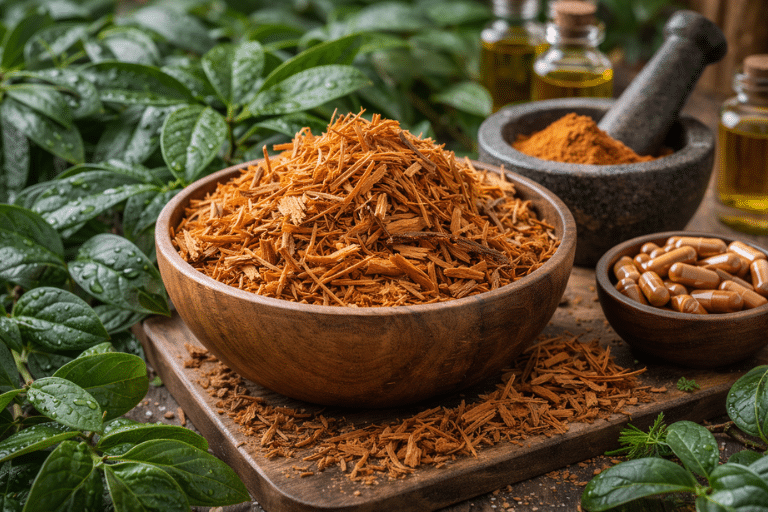
When you’re looking for natural ways to support your immune system, cat’s claw might not be the first herb you think of—but it probably should be. This Amazonian vine has a growing body of research behind its effects on white blood cells, inflammation, joint health, and even certain microbes and viruses. Of course, it’s not risk‑free, and quality matters. Before you decide if it belongs in your routine, you’ll want to know…
Cat’s Claw and Immune System Support
Small human studies echo this, including one trial in 27 men where 700 mg daily for two months boosted white blood cell counts. Drawing on traditional use by the Ashaninka people, many practitioners today emphasize the importance of high-quality sourcing to ensure these immune-supportive compounds are present in effective amounts.
You may also gain support when your immune system’s under extra stress. Early research in women receiving chemotherapy found cat’s claw reduced the usual drop in neutrophils and other immune cells, while helping protect cellular DNA. Antioxidant constituents further neutralized free radicals and promoted DNA repair in laboratory models.
Anti-Inflammatory Effects and Cytokine Modulation
Beyond its general immune support, cat’s claw shows targeted anti-inflammatory effects by dialing down key signaling molecules that drive chronic inflammation. You see this in how mitraphylline and related compounds inhibit pro-inflammatory cytokines like IL‑1, IL‑4, IL‑17, and especially TNF‑α, while several studies report lowered IL‑6 levels.
Preliminary clinical data also suggest benefits in conditions like rheumatoid arthritis and quality-of-life improvement in patients with advanced solid tumors, although larger human trials are still needed to confirm these effects. Moringa’s anti-inflammatory properties further enhance the potential of cat’s claw in managing systemic inflammation.
By blocking NF‑κB, a master switch for inflammatory genes, oxindole alkaloids and quinovic acid glycosides cut TNF‑α production and curb downstream inflammatory cascades.
Cat’s claw also selectively inhibits COX‑2 and reduces nitrite formation, further limiting inflammatory mediator release. Its polyphenols and catechins add antioxidant support, scavenging free radicals that would otherwise sustain inflammation.
In human and animal studies, these effects appear with low toxicity and only mild, occasional digestive side effects.
Cat’s Claw for Arthritis and Joint Pain Relief
While it’s not a cure, cat’s claw shows consistent, measurable benefits for people dealing with arthritis and joint pain.
In osteoarthritis, daily doses of about 100 mg freeze-dried extract often reduce pain tied to movement within 1–2 weeks, though pain at rest and swelling may not change much. Some studies also report better joint function and less need for pain medication. By inhibiting TNFalpha and other pro-inflammatory mediators, cat’s claw may help support overall joint health in people with osteoarthritis.]
If you’re managing rheumatoid arthritis, adding standardized U. tomentosa extract (around 60 mg daily) to your usual drugs can cut the number of painful, swollen joints and morning stiffness more than placebo.
Across trials, both U. guianensis and U. tomentosa appear similarly effective and generally safe, with few reported side effects and no significant liver, blood, or toxicity concerns.
Antimicrobial and Antiviral Effects of Cat’s Claw
Even though cat’s claw is best known for immune and joint support, it also shows direct antimicrobial and antiviral activity that’s backed by emerging lab and clinical research.
You see broad antibacterial effects against organisms like Enterococcus faecalis, Staphylococcus aureus, Candida albicans, Micrococcus flavus, and Bacillus subtilis, helping support a healthier microbiome and even complement antibiotics. High tannin content in some preparations, however, can lead to nausea, stomach upset, or diarrhea, especially at higher doses. Additionally, zinc levels can be enhanced by using cat’s claw in conjunction with other immune-boosting supplements.
You also get notable antiviral actions. In cell studies, cat’s claw extract inhibits SARS‑CoV‑2 by blocking viral entry and replication and sharply reducing viral titers.
It’s active against Borrelia burgdorferi, making it a frequent addition to chronic Lyme protocols, and shows promise against dengue, Chikungunya, and influenza A.
Indole and oxindole alkaloids, polyphenols, and terpenoids enhance phagocytosis, modulate cytokines, and control infection‑related inflammation.
Cat’s Claw Safety, Side Effects, and Drug Interactions
Although cat’s claw offers compelling immune and joint benefits, you still need to weigh its safety profile, especially if you take medications or have chronic conditions.
Balance cat’s claw’s immune and joint benefits against potential risks, especially if you use medications or have chronic conditions.
Common side effects include nausea, diarrhea (likely from tannins at higher doses), stomach upset, dizziness, and occasional vomiting. Because supplements are not tightly regulated, it’s wise to choose products from reputable suppliers that use independent testing to minimize contamination and dosing inconsistencies.
More serious concerns appear in case reports: acute kidney problems in people with lupus, worsening symptoms in Parkinson’s disease, possible nerve effects, and low blood pressure.
You must use strong caution if you take anticoagulants, blood pressure drugs, antiretrovirals, cholesterol or cancer medications, or immunosuppressants, because cat’s claw can amplify or interfere with these therapies.
Avoid it in pregnancy, autoimmune disease (especially lupus), bleeding disorders, Parkinson’s, and HIV treatment unless closely supervised by your clinician.
Frequently Asked Questions
What’s the Difference Between Uncaria Tomentosa and Uncaria Guianensis Cat’s Claw Species?
You’ll see U. tomentosa has sharper hooks, higher alkaloids, and greater commercial value, while U. guianensis grows more invasively, prefers poorer soils, has non-sharp thorns, lower alkaloids but often stronger antioxidant and anti-TNFα activity.
How Should I Choose a High-Quality Cat’s Claw Supplement or Extract?
You choose high‑quality cat’s claw by verifying Uncaria tomentosa species, standardized POA/alkaloid content, GMP or TGA-level manufacturing, third‑party testing (USP, NSF, ConsumerLab), clear dosing, and avoiding use in pregnancy, lactation, or with conflicting medications—consult your clinician.
Can Cat’s Claw Be Combined With Other Immune-Supporting Herbs or Vitamins?
You can combine cat’s claw with other immune supplements, but research on specific combos is limited. Don’t stack multiple herbs or high-dose vitamins without guidance; check medications, autoimmune conditions, and always confirm safety with your healthcare provider first.
Is Cat’s Claw Sustainable and Ethically Harvested From the Amazon Rainforest?
Yes, when you choose AC-11–style products from certified sources, you support sustainable, ethical harvesting. Harvesters spiral-debark vines, avoid roots, follow IBAMA rules, replant saplings, and work with community forest projects to protect Amazon biodiversity.
Are There Traditional Preparation Methods That Differ From Modern Capsules and Tinctures?
Yes. You’d traditionally simmer raw Cat’s Claw bark 10–12 minutes with cinnamon, ginger, and orange peel, then strain and drink. You’d get a variable, full-spectrum tea, unlike today’s standardized capsules or alcohol-based tincture extracts.
Conclusion
When you add cat’s claw to your wellness toolkit, you give your immune system targeted support. It may help you weather stress, calm excess inflammation, ease joint pain, and bolster your defenses against microbes and viruses. But it’s still a potent medicinal herb, not a casual supplement. Check quality, start low, and talk with your healthcare provider—especially if you take medications—so you can use cat’s claw safely and get its full benefits.