Basil Seeds (Sabja) for Weight Loss: 5 Ways They Suppress Appetite Naturally
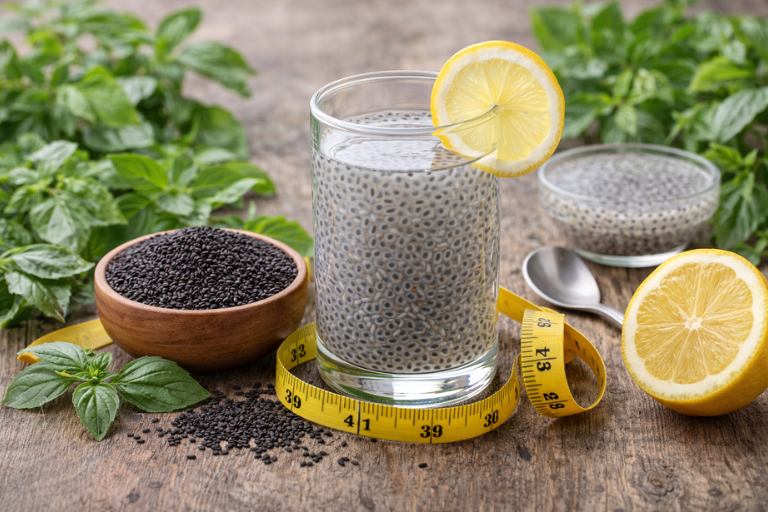
You want a simple, natural way to control hunger, and basil seeds (sabja) can help. They swell into a gel, slow digestion, and steady blood sugar—each nudging you to eat less without feeling deprived. There’s also a hint they may influence satiety hormones and gut balance, which matters more than you think. You’ll see how to use them, the right dose and timing, and who should skip them—but first, the five appetite-taming mechanisms that matter most.
Basil Seeds for Weight Loss: Quick Start Guide
Before you immerse yourself, know this is a simple, steady habit: soak 1 tablespoon of basil (sabja) seeds in 200 ml lukewarm water for 15–30 minutes until they swell, then drink them 30 minutes before meals to curb appetite. Basil seeds are rich in fiber, which helps support healthy digestion and keeps you fuller for longer. Additionally, consuming a fiber-rich diet can further enhance your digestive health.
Use fresh soak daily, store dry seeds airtight, and limit intake to 1–2 tablespoons per day.
Use a fresh soak daily, store seeds airtight, and keep intake to 1–2 tablespoons.
Time it smartly: take on an empty stomach in the morning, before lunch and dinner, or with a cooling drink before bed for overnight satiety.
Pair with a calorie deficit and regular exercise for gradual results over 8–12 weeks.
Keep it simple: sip plain soaked seed water, or stir in lemon and a touch of honey.
Try buttermilk, yogurt blends, or smoothies. Add cinnamon, ginger, or apple cider vinegar cautiously.
Stay consistent.
How Basil Seeds Curb Hunger (Fiber + Leptin)
Here’s how basil seeds help you feel full: their soluble fiber swells into a gel in your stomach, adding bulk that tames appetite and slows digestion. This jelly-like mucilage occupies space, dampens cravings, and discourages mindless snacking, so you naturally eat fewer calories.
Rich in omega-3s, they also support cardiac health while contributing to overall well-being. By slowing carbohydrate absorption, basil seeds help steady blood sugar and prevent insulin spikes that trigger rebound hunger. You feel satisfied longer as gut motility improves without irritation and bowel movements regulate, reinforcing steady fullness. Regular consumption of fiber-rich foods is associated with an anti-inflammatory diet, which can further enhance feelings of satiety and overall health.
Fiber also supports a healthier microbiome. Fermentation increases short-chain fatty acids, lowers gut pH, boosts beneficial bacteria, and aids digestion—effects linked to satiety.
Emerging research suggests fiber can improve insulin sensitivity and indirectly influence leptin signaling, aligning hunger hormones with real energy needs and promoting portion control.
Omega-3 ALA in Basil Seeds: Metabolism and Inflammation
Beyond appetite control, basil seeds bring a potent omega-3 punch: alpha-linolenic acid (ALA). About 33% of the seed is lipid, and 71% of that fat is ALA—roughly 1,240 mg per tablespoon (13 g). That’s enough to meet women’s daily ALA need (1.1 g) and nearly cover men’s (1.6 g), making basil seeds a strong plant-based option.
Your body primarily burns ALA for energy, but it also raises ALA in plasma, liver, and red cell membranes. Rich in fiber, basil seeds also provide 36.3% fiber by weight, which can aid satiety and digestive health. Omega-3s like ALA play a crucial role in lowering blood pressure and supporting overall heart health.
By steering the Δ-6 desaturase pathway toward EPA and away from arachidonic acid, ALA supports a less inflammatory milieu. Studies link basil seed oil with lower leukotriene-driven inflammation, reduced lipids and lipid peroxidation, better cardiovascular markers, and improved insulin sensitivity.
Flavonoids and polyphenols add synergistic anti-inflammatory support.
How to Use Basil Seeds: Dose, Timing, and Prep
Two simple rules make basil seeds easy to use for weight goals: dose modestly and prep them right.
Start with 1 teaspoon (about 5 g) daily, then move to 1–2 teaspoons as tolerated. You can use up to 1–2 tablespoons in a balanced diet, but don’t exceed that—high fiber can cause gas or bloating. Remember a tablespoon has about 53 calories. They’re also a rich source of fiber, which helps promote fullness and curb appetite.
Start with 1 teaspoon daily; increase to 1–2 teaspoons. Don’t exceed 1–2 tablespoons to avoid bloating.
Soak the hard seeds in warm water for 15 minutes until they turn translucent and gel-like. They can swell up to 20x, which boosts satiety, improves digestibility, and reduces choking risk.
Time them strategically: drink a basic mix—1–2 teaspoons soaked in a cup of warm water—on waking or 30 minutes before meals.
Stir soaked seeds into lemon water, smoothies, yogurt, buttermilk, soups, or fresh juice.
Safety and Who Should Avoid Basil Seeds
Although basil seeds are generally safe, you should know who needs caution and why. If you’re new to them, start with small amounts and watch for itching, hives, nausea, or breathing difficulty. Seek medical help for unusual symptoms. They are rich in fibre and antioxidants, which can support overall well-being by combating free radicals and promoting elasticity in the skin.
Their high fiber can trigger bloating, cramps, gas, diarrhea, or reflux—especially with excess. Always soak them; unsoaked seeds can swell and choke, a bigger risk for kids and older adults.
Avoid or consult your doctor if you’re pregnant, breastfeeding, or on medications—especially blood thinners, diabetes drugs, or hormone therapies. Basil seeds may lower estrogen, influence menstrual cycles, and interfere with meds.
They can reduce blood sugar, cause abdominal pain, vomiting, acne, or loss of appetite. Drink extra water to offset dehydration, and introduce gradually with movement.
Frequently Asked Questions
Do Basil Seeds Interact With Common Weight-Loss Medications or Supplements?
Yes. You may enhance blood-sugar–lowering meds and risk hypoglycemia, prolong caffeine’s effects, and overdo fullness with fiber-based suppressants. Introduce slowly, soak seeds, separate from meds, monitor glucose and appetite, and consult your clinician, especially with insulin, sulfonylureas, or phentermine.
Are There Regional Varieties of Sabja With Different Nutrient Profiles?
Yes. You’ll find regional sabja varieties differ. Serbian seeds are longer than Indian; Iranian exceed Serbian. Singapore seeds show higher ALA, lower LA, distinct color metrics. Fiber and mucilage vary, with sabja generally exceeding chia and cooling better.
Can Basil Seeds Help Manage Late-Night Cravings Specifically?
Yes, they can help, though evidence is indirect. You’ll feel fuller from soluble fiber and gel expansion, steady blood sugar, and reduced cravings. Soak 1 tablespoon, drink 30 minutes before bedtime; start with 1 tablespoon daily to avoid bloating.
How Do Basil Seeds Compare to Chia Seeds for Appetite Control?
They’re comparable for appetite control. You’ll feel full from both seeds’ soluble fiber gels. Chia has stronger evidence and often more protein; basil seeds may influence hormones and insulin indirectly. Try 1–2 tablespoons soaked, track hunger, and adjust.
What Storage Methods Best Preserve Basil Seeds’ Omega-3 Content?
Store seeds in tightly sealed glass jars or airtight plastic bags, kept cool, dark, and dry. Use opaque, food‑grade containers, add silica gel packets, fully dry seeds first, label and rotate, and refrigerate or freeze to maximize omega‑3 stability.
Conclusion
You’ve got a simple, natural tool to tame hunger and support weight loss. Basil seeds swell with soluble fiber, slow digestion, steady blood sugar, and nourish your gut—helping you feel full longer and snack less. Their omega-3 ALA may also support metabolism and calm inflammation. Start small, soak them well, and time them before meals. If you’re pregnant, on blood thinners, or have gut issues, check with your doctor. Stay consistent, listen to your body, and track results.