Alkaline Water vs. Regular Water: 5 Health Benefits That Are Actually Backed by Science
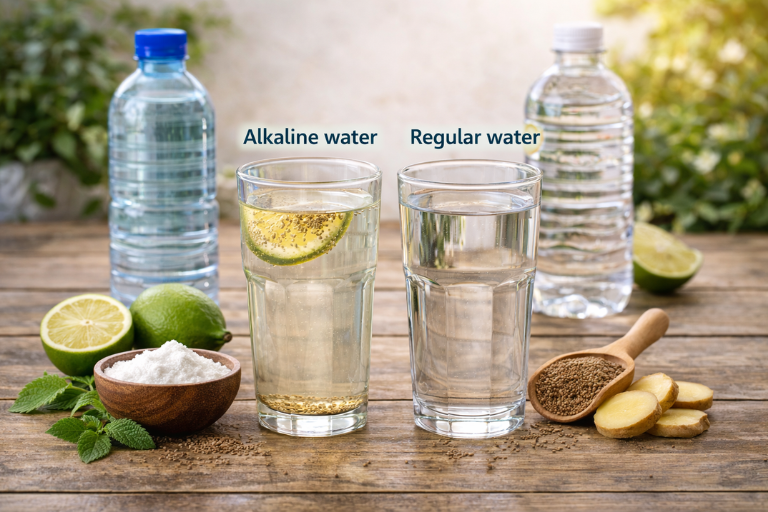
You’ve heard the hype about alkaline water, but you want proof, not buzz. Some studies hint at better metabolic markers, fewer reflux flare-ups, small spine BMD gains, and faster rehydration after workouts—yet the evidence isn’t uniform, and long-term benefits remain uncertain. You’ll see where mouse data stop and human data start, what “alkaline” actually does to pepsin, and when the pH or mineral content matters most. Before you spend more, you’ll want this nuance.
Longevity: Mouse Signals Only; No Proven Human Benefit
Although a 3-year mouse study hints that alkaline water might extend lifespan, there’s no proven benefit for humans. You should read these results as signals, not guarantees.
In long-lived mouse models, two alkaline groups (ionized and alkalized to pH 8.5 after a 15-day acclimation) outlived controls from the second year, with survival analyses showing a decelerated aging factor. Tap-water mice died up to a year earlier by study end. In mice, caloric restriction can extend lifespan, but this effect does not translate to humans.
Proposed mechanisms include hormesis—mild alkaline stress that boosts cellular maintenance—plus potential antioxidant effects that may limit ROS, DNA damage, and telomere shortening.
Organ exams across kidneys, intestines, hearts, livers, and brains found no specific pathology; alkaline groups looked somewhat younger but not damaged.
Still, you can’t extrapolate mouse longevity to humans. No human trials confirm anti-aging effects.
Metabolic Health: Small Studies Link Alkaline Water to Lower Glucose and BP
While the evidence is early and uneven, small human studies suggest alkaline water may modestly improve metabolic markers—especially in postmenopausal women.
In a 2022 study of 304 postmenopausal women, alkaline water drinkers had lower fasting glucose, diastolic blood pressure, triglyceride-to-HDL ratio, and waist circumference after controlling for age and physical activity with MANCOVA (p<0.05). In that cohort, nearly half met criteria for metabolic syndrome, but a lower proportion was observed among alkaline water drinkers.
Handgrip strength was higher, and sleep duration was longer, though sleep isn’t a core metabolic endpoint.
Handgrip strength increased, and sleep duration lengthened—though sleep isn’t a primary metabolic endpoint.
You shouldn’t expect weight loss or LDL changes; body weight and LDL didn’t differ, and systolic blood pressure was unchanged.
Prior trials show mixed glucose results—some report HbA1c drops, others no benefit—and animal data are inconsistent.
Possible mechanisms include effects on adipokines, lipolysis, and adipogenesis pathways, but these remain hypotheses.
More rigorous trials are needed.
Acid Reflux: Can Alkaline Water Neutralize Pepsin and Symptoms?
Curious whether alkaline water can calm acid reflux by disarming pepsin—the enzyme that damages tissues after reflux? Evidence suggests it can help.
Pepsin activates in acid (pH 2–4) and clings to throat tissues, where it keeps injuring cells. In vitro, pH above 8 irreversibly inactivates pepsin; pH 8.8 does the job, and pH 9.5+ maximizes it. A 2012 lab study showed pH 8.8 alkaline water instantly denatures human pepsin and buffers hydrochloric acid better than regular water. Importantly, alkaline water has demonstrated the ability to denature pepsin, supporting its role as a natural strategy for alleviating reflux. Additionally, incorporating healthy foods into your diet can further support digestive health.
Clinically, a 2017 trial found a Mediterranean-style, low‑acid diet plus alkaline water (pH >8) matched proton pump inhibitors for symptom relief, with diet carrying most of the benefit.
Practically, swap beverages for water at pH ≥8.8 (bottled, filtered pitchers, or drops).
Limitations: small cohorts; not a cure—use alongside diet.
Bone Strength: Modest Spine BMD Gains in Short Trials, Unclear Long-Term
Even with only short studies to go on, alkaline water shows small but measurable benefits for spine bone density—yet its long‑term impact remains unclear.
In a 3‑month trial of 100 postmenopausal women with osteoporosis, adding 1.5 L/day of pH ~8.6 water to standard therapy improved spine T‑scores more than therapy alone (0.39 vs 0.08).
Femur scores improved in both groups without between‑group differences. The likely reason: reducing net acid load.
Bones are pH‑sensitive; alkalinity may curb resorption and support formation. Bicarbonate‑rich waters raise ionized calcium, lower PTH, and can reduce bone turnover; animal studies under acidosis show preserved microstructure.
Potassium citrate trials also nudge lumbar spine BMD upward. Postmenopausal women are predisposed to osteoporosis, making them a key population for studying how alkaline water might influence bone mineral density.
Still, major groups note evidence is preliminary, dose‑dependent effects uncertain, and durability unproven.
Hydration: Does Alkaline Water Help After Exercise, and How Much Matters?
So does alkaline water actually help you bounce back after a workout—and does the dose matter? In small athlete trials, it appears to.
Drinking highly alkaline water (up to pH 9.3) for weeks improved hydration markers (lower urine specific gravity, higher urine pH), raised resting and post-exercise blood pH, and reduced metabolic acidosis. In a double-blind study of combat sport athletes, it also enhanced anaerobic performance during repeated Wingate tests. Additionally, proper hydration is key for recovery and helps lubricate joints, aiding overall performance.
Highly alkaline water (up to pH 9.3) improved hydration markers, boosted blood pH, and eased exercise-induced acidosis over weeks
You may clear lactate faster during early recovery and hold more water after exercise (about 79% vs. 63% with placebo), which can support power in repeated sprints.
You’ll likely need enough volume for benefits—more than a few sips—and your ideal intake depends on body size, training load, diet, and environment.
It’s not a magic bullet, and studies remain small and mixed, but it’s safe and can replace sugary drinks while you rehydrate.
Frequently Asked Questions
Is Alkaline Water Safe for Children, Pregnancy, or Breastfeeding?
Yes—with moderation. You can drink alkaline water in pregnancy and while breastfeeding, and kids can have it, too. Evidence is limited; avoid excess minerals. Prioritize plain water, balanced diet, prenatal guidance, and consult your clinician for individual risks.
Does Alkaline Water Interact With Medications or Supplements?
Yes. You risk interactions with acid reflux drugs (PPIs, antacids), potentially altering pH, minerals, and efficacy. With kidney disease or potassium‑affecting meds, you could trigger electrolyte imbalances. Supplements may absorb differently. Talk to your clinician before combining.
Are There Side Effects From Long-Term Alkaline Water Use?
Yes. With long-term use, you could develop metabolic alkalosis, impaired nutrient absorption, GI symptoms, arrhythmias, and infections; worsen kidney issues; and risk hyperkalemia at very high pH. Monitor symptoms, limit extremes, and consult your clinician.
How Do Home Ionizers Compare to Bottled Alkaline Water?
Home ionizers outperform bottled alkaline water. You get fresh, higher pH, negative ORP, and molecular hydrogen within 72 hours. You avoid plastic leaching, shelf staleness, and high costs. After purchase, you’ll pay pennies per gallon with convenience.
What pH and Mineral Content Should Consumers Look For?
Aim for pH 8–9.5, avoiding above 9.8. You should choose water with added calcium and magnesium, modest potassium, and minimal sodium. Prefer naturally mineralized sources; check labels for total dissolved solids and verified mineral amounts.
Conclusion
You’ve seen that alkaline water isn’t a miracle, but it does show some science-backed perks over regular water. You might see small improvements in fasting glucose and blood pressure, get relief from acid reflux via pepsin neutralization, and possibly nudge spine bone density upward. After workouts, it may also boost rehydration. Still, evidence is early, often short-term, and not definitive for longevity. If you enjoy it and it fits your budget, use it alongside a balanced diet and routine care.