6 Reasons to Add Crunch to Your Diet: The Hydrating Benefits of Celery
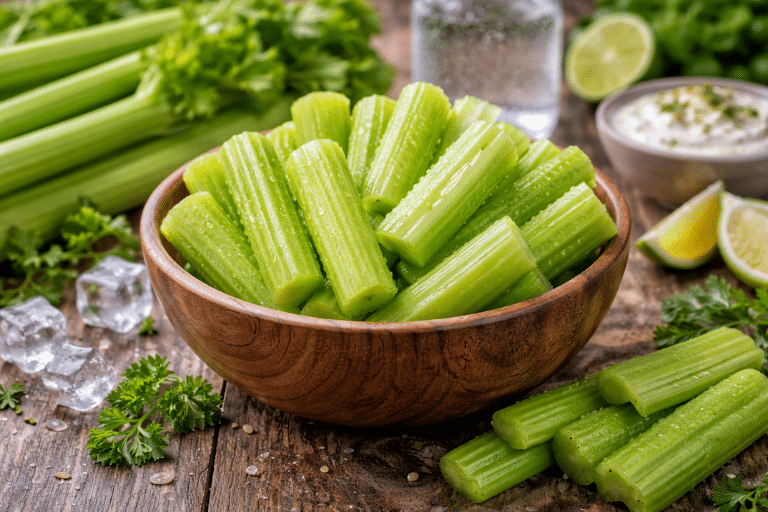
When you reach for a crunchy snack, you probably don’t think of celery first—but you should. With its high water content, natural fiber, and mix of vitamins and minerals, celery quietly supports hydration, digestion, and even heart health. It’s low in calories yet surprisingly satisfying, making it a smart choice if you’re watching your weight. And that’s just the start of what this simple stalk can do for you.
Top Health Benefits of Celery at a Glance
From heart health to blood sugar balance, celery delivers a surprising range of science-backed benefits in one crunchy package. You get natural support for healthy blood pressure thanks to phthalides, which relax artery walls and improve blood flow, and nitrates, which help lower pressure when you drink celery juice.
Human studies show meaningful drops in both systolic and diastolic readings, especially when you use preparations exceeding 1,000 mg/day of celery seed. Additionally, natural enzymes in celery can aid digestion, further enhancing its health benefits.
You also support blood sugar control. Celery seed’s magnesium helps your cells respond better to insulin, and research on celery preparations shows improved hyperglycemia. Animal studies suggest celery seed extracts can rebalance glucose, insulin, and antioxidant defenses. Together, these effects contribute to better cardiovascular and metabolic health, especially when paired with an overall healthy diet.
Celery’s Vitamins, Minerals, and Hydration Benefits
Beyond supporting your heart and blood sugar, celery quietly delivers a dense package of vitamins, minerals, and hydration benefits in every crisp bite.
Each cup of chopped celery gives you vitamin C for collagen repair, faster cold recovery, and smoother, more even-toned skin, plus vitamin K for blood clotting and strong bones, and vitamin A from beta-carotene for sharper night vision and a resilient immune system.
Celery also offers both soluble and insoluble fiber types, promoting healthy digestion, cholesterol control, and regular bowel movements. Additionally, celery juice has been shown to support gut health by nourishing beneficial microbes.
You also get key electrolytes—potassium, magnesium, calcium, and trace minerals—while keeping sodium low, supporting steady fluid balance.
- Boost immunity and skin health with vitamins C and A.
- Protect bones and blood function with vitamin K and minerals.
- Support whole‑body hydration with high water, electrolytes, and antioxidant‑rich juice.
Celery for Low‑Calorie Weight Management
Think of celery as one of the most efficient “volume foods” you can add to a weight‑loss plan: it delivers crunch, fiber, and hydration for almost no calories. One serving has about 7 calories, and two sticks only 15, so you can eat generous portions without blowing your calorie budget. As a low‑calorie food, celery is often included in medical weight‑loss programs to help increase fat burn and prolong satiety. Adding antioxidant-rich foods like celery to your diet can further enhance its benefits.
That low energy density lets celery displace heavier, calorie‑dense snacks.
You also get nearly 1 gram of fiber per serving. That mix of soluble and insoluble fiber slows digestion, steadies appetite, and supports regularity, all of which help you maintain a calorie deficit.
With about 95% water, celery boosts fullness and fluid intake, especially when you pair it with a glass of water, making it a smart go‑to for managing hunger.
Celery for Heart Health and Blood Pressure
While celery might seem too simple to influence something as serious as heart health, research suggests it can modestly support healthier blood pressure and blood vessels. In clinical trials, celery stem or seed extracts lowered systolic readings by about 9–12 mmHg and diastolic by 7–15 mmHg, with stronger effects in people starting with higher numbers. Emerging evidence from both animal and human studies suggests these blood‑pressure benefits are consistent across different forms of celery preparations.
You benefit from several bioactive compounds. Phthalides and apigenin relax vascular smooth muscle, widen arteries, and block calcium influx, while diuretic activity helps your body release excess fluid. Low sodium and natural antioxidants further support your cardiovascular system.
You might value celery for:
- Supporting lower blood pressure through vasodilation
- Reducing cardiovascular inflammation with flavonoids
- Offering a generally safe, plant‑based complement to medical care
Celery Fiber for Digestion and Gut Health
Celery doesn’t just support your heart; its fiber and water content also work together to keep your digestion running smoothly.
With up to 5 grams of dietary fiber per cup of sticks, celery adds bulk to your stool, helping prevent constipation and supporting regularity. Its insoluble fiber speeds gastrointestinal transit, making bowel movements easier and more comfortable. Vitamin K in celery also contributes to overall gut and immune function by supporting normal blood clotting and tissue repair in the digestive tract.
You also get soluble fiber that dissolves in water to form a gel-like substance, softening stool while acting as a prebiotic. It feeds beneficial gut bacteria like Lactobacillus and helps crowd out more harmful strains.
Celery’s 95% water content hydrates your digestive tract, promotes digestive juices, and enhances nutrient absorption, while pectin compounds such as apiuman have shown protective effects on the stomach in animal studies.
Celery’s Antioxidant Benefits and How to Use It Safely
Although you might associate it mainly with crunch and low calories, celery also delivers a concentrated mix of antioxidants that help protect your cells from oxidative stress.
Its phenolic acids (like caffeic, p‑coumaric, ferulic), flavones (apigenin, luteolin), and flavonols (kaempferol) act as potent free‑radical scavengers, limiting damage to lipids, proteins, and DNA. In lab tests, celery leaf extracts have shown strong antioxidant activity with low IC50 values, meaning only small amounts are needed to neutralize free radicals.
Lab studies show celery extracts neutralize several radicals and may even exert cytotoxic effects on certain tumor cell lines, likely through this strong antioxidant action.
To tap these benefits safely, you can:
- Eat whole stalks and leaves regularly, rather than relying on supplements.
- Use celery seeds modestly; about 1.3 g/day has improved blood lipids in trials.
- If you have low blood pressure or take heart or diabetes medications, discuss frequent celery intake with your clinician.
Frequently Asked Questions
Can People With Celery Allergy Safely Consume Cooked Celery or Celery Juice?
No, you generally can’t safely consume cooked celery or celery juice. You must avoid all forms, read labels carefully, carry epinephrine, use antihistamines for mild reactions, and confirm triggers with supervised testing if needed.
How Does Celery Compare Nutritionally to Other Crunchy Vegetables Like Carrots?
You’ll find celery’s lighter than carrots: far fewer calories, carbs, and fiber, but more water and vitamin K. Carrots give you more vitamin A, vitamin C, and potassium, so you’ll benefit most when you snack on both together.
Does Celery Interact With Common Medications, Such as Blood Thinners or Diuretics?
Yes, celery can interact with blood thinners more than with diuretics. You should watch for bleeding when using warfarin, dabigatran, rivaroxaban, aspirin, or clopidogrel, avoid high-dose celery seed, and always tell your prescriber.
Is Organic Celery Worth the Extra Cost Compared to Conventionally Grown Celery?
Yes, it’s often worth it if you can afford it. You’ll lower pesticide exposure, especially important for kids, and get more potassium, zinc, sugar, and vitamin C, though overall nutritional differences aren’t dramatic.
What’s the Best Way to Store Celery to Keep It Crisp and Hydrating Longer?
You’ll keep celery crisp longest by wrapping the root end in paper towel, sealing the bunch in a ziplock with air squeezed out, and refrigerating. For cut pieces, store submerged in water in airtight containers, changing water regularly.
Conclusion
When you add celery to your daily routine, you get more than just a satisfying crunch. You boost hydration, support steady weight management, and give your heart and blood pressure a gentle assist. Its fiber keeps digestion moving, while antioxidants help protect your cells from everyday stress. Enjoy it raw, cooked, or blended into smoothies. As long as you wash it well and watch any allergies, celery’s an easy, revitalizing upgrade to your plate.