Beyond the Doctor: 9 Lesser-Known Health Benefits of Eating Apples With the Peel
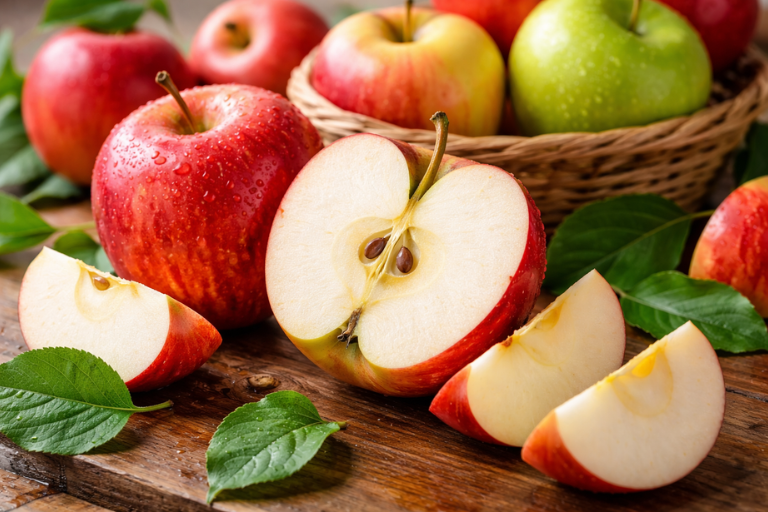
You might toss apple peels without thinking, but that’s where most of the quiet power lives. The skin holds concentrated polyphenols, fiber, and antioxidants that support your heart, steady your glucose, and calm inflammation. It’s also where unique compounds linked to cholesterol, blood pressure, and even DNA protection are richest. With a few smart prep habits, you can tap these benefits safely. Here’s what you gain when you stop peeling—and what most people miss.
Why Apple Skin Beats Flesh for Polyphenols and Vitamins
For a small strip of fruit, apple skin packs an outsized share of nutrients and protective compounds.
When you keep the peel on, you get far more polyphenols and key vitamins than from the flesh alone. The skin concentrates quercetin and other polyphenols, delivering up to 50% more total phytonutrients and as much as 2–3 times the flavonoids found in the interior. Those compounds show up in your bloodstream at higher levels when you eat unpeeled apples. Peels pack more antioxidants than the flesh, and these compounds help combat free radicals in the body.
Vitamins swing sharply, too: compared with peeled apples, raw apples with skin provide about 332% more vitamin K, 142% more vitamin A, and 115% more vitamin C, along with vitamin E.
Minerals rise as well, with roughly 20% more calcium and up to 19% more potassium in the peel.
Apple Peel Antioxidants Pack the Real Punch
Even before you taste it, the peel is where an apple’s antioxidant power lives. You get 2–6 times more phenolics in the peel than in the flesh, and phenolics—not vitamin C—drive most of an apple’s antioxidant activity. Apples are linked to lower risks of cardiovascular disease and certain cancers, largely attributed to their peel-rich flavonoids and polyphenols, highlighting their role in chronic disease prevention. Idared peels hit about 589 mg gallic acid equivalents per 100 g; Rome Beauty peels reach about 500 mg.
You also score 2–3 times more flavonoids in the peel, with roughly 41% of a whole apple’s flavonoids coming from that thin layer. Quercetin concentrates there, and freeze-dried peels pack even more.
Power shows up in tests: peels deliver 4–5 times higher radical scavenging, and one Idared peel can rival 820 mg vitamin C in activity.
Keep the peel on—unpeeled apples outperform peeled in total antioxidant capacity.
How Apple Peels Support Heart and Arteries
While the flesh does its part, the peel is where apples go to work for your heart and arteries. Apple peels pack up to six times more flavonoids than the flesh, and those compounds go to work fast—improving endothelial function within two to three hours. Eating unpeeled apples boosts bloodstream flavonoids and antioxidant capacity more than peeled apples, a likely reason apple intake tracks with lower cardiovascular risk.
Apple peels supercharge heart health, boosting flavonoids and endothelial function within hours.
You also get rapid blood pressure support. Peel flavonoids—especially quercetin and anthocyanins—lower readings within hours, inhibit ACE, and reduce pressure independent of other factors. Additionally, incorporating citrus foods into your diet can further enhance your cardiovascular health due to their high vitamin C content.
Even small daily amounts link to 24% lower odds of severe artery calcification. This matters because severe artery calcifications are a marker for vascular disease, and higher apple intake has been associated with improved longevity.
For lipids, peel polyphenols outpace flesh: they trim LDL and total cholesterol, cut triglycerides about 10%, raise HDL, and curb LDL oxidation and vascular inflammation.
Peel Nutrients That Help Block Cancer Growth
Beyond heart and artery support, the peel’s nutrients also target cancer biology. You get polyphenols and triterpenoids that slow tumor cell growth across breast, prostate, colon, lung, and liver models.
Apple peel extract reduces viability in prostate (CWR22Rnu1, DU145) and breast (MCF-7, MCF-7:Her18) cells, triggers G0–G1 arrest, and lowers PCNA, a proliferation marker. It also boosts maspin, a tumor suppressor that hinders invasion, metastasis, and angiogenesis. Further studies are needed to confirm these antiproliferative effects in vivo.
Peel antioxidants scavenge hydroxyl and superoxide radicals, curb AP-1 transactivation by blocking ERK and JNK, and cut skin tumor burden in mouse models.
Triterpenoids identified in Red Delicious peels show potent in vitro activity and suppress mammary tumors in vivo without toxicity. Compared with flesh, peels—and unpeeled apples—deliver stronger antiproliferative effects and protect DNA from oxidative damage.
Apple Peels and Better Blood Sugar Control
Although apples are naturally sweet, keeping the peel on can help you steady blood sugar after a meal. Apple peels pack phlorizin, a natural blocker of SGLT-2 and SGLT-1. By limiting glucose reabsorption in the kidneys and tempering intestinal glucose uptake, you blunt late post-meal spikes.
Studies show unpeeled apples reduce glucose reuptake more than peeled ones, though the effect isn’t as long-lasting as SGLT-2 drugs. In fact, research comparing unpeeled apples with ipragliflozin found that both suppressed interstitial glucose in the late phase, but ipragliflozin’s effect lasted longer, highlighting its superior duration.
You also get enzyme slowdown. Peel compounds—including triterpenes like ursolic and oleanolic acids—dose-dependently inhibit α-glucosidase and, in some varieties, pancreatic α-amylase, similar in concept to acarbose. That means carbs break down and enter your bloodstream more gradually.
Peel polyphenols further fight glycation, neutralizing AGEs at low doses, while fiber and flavonoids like quercetin and chlorogenic acid support better glucose tolerance and insulin sensitivity.
Apple Peels and Metabolic Syndrome: Lipids, BP, Inflammation
Even as a simple habit, keeping the peel on your apples can work on multiple fronts of metabolic syndrome—lipids, blood pressure, and inflammation. You’re tapping into ursolic acid and a dense mix of peel phenolics that nudge multiple risk markers in the right direction.
Ursolic acid boosts energy expenditure by building muscle and activating brown fat, which helps curb weight gain on high-fat diets and improves lipid profiles. It’s been shown to blunt atherogenic progression in metabolic models and protect the liver in obesity settings.
In a University of Iowa mouse study, ursolic acid increased brown fat, muscle mass, and calorie burning while reducing obesity and fatty liver risk. Additionally, its activation of thermogenesis contributes to enhanced metabolic processes.
Ursolic acid fires up muscle and brown fat, curbing weight gain and sharpening lipid profiles.
In ApoE−/− models, apple peel supplementation lowers abdominal fat and dyslipidemia, indicating support for blood pressure and overall syndrome mitigation.
Peel phenolics, including hyperoside and procyanidin B2, dampen inflammatory signaling, inhibit harmful AGEs, and deliver antioxidant activity without cellular toxicity.
Apple Peel Benefits for Joints and Mobility
While an apple’s flesh gets the spotlight, the peel quietly supports joints and mobility with concentrated anti-inflammatory and antioxidant power.
You benefit from a denser load of polyphenols, flavonoids, quercetin, and triterpenoids like ursolic acid, which work together to inhibit COX-2 and lipoxygenase and bolster serum antioxidant status. Additionally, these compounds can help reduce chronic inflammation, which is crucial for joint health and mobility.
In a 12-week pilot study, 4.25 grams of dried apple peel powder daily improved range of motion across the neck, back, shoulders, hips, and thoracic and lumbar rotation.
Some gains appeared by week two—especially in the lumbar region and shoulders—with right shoulder adduction and abduction reaching strong significance at weeks eight and twelve. The study used AppleActiv sourced from organic apples and produced in a GMP facility.
Participants with chronic joint pain also reported month-over-month declines in pain scores, paralleling functional improvements across weight-bearing joints.
How to Eat More Apple Peel Safely
Start with clean, well-prepped peels so you get the nutrients without the grime. Rinse apples under running water and gently scrub to remove pesticides, wax, and dirt. Choose organic when you can, but proper washing still helps minimize trace toxins while preserving nutrients.
Rinse and gently scrub apples to shed grime, wax, and pesticides while keeping nutrient-rich peels intact
If they’re washed well, don’t peel—most benefits live in the skin.
Store fresh peels in an airtight container in the fridge for up to a week, or freeze them for smoothies and baked goods.
Dry peels in a low oven, then grind into powder for longer shelf life; stir it into oatmeal or batter. For drinks, steep peels 10 minutes for tea, or simmer peels and cores 30 minutes for juice. Eating the peel boosts your intake of fiber, antioxidants, and beneficial plant compounds.
If you have a sensitive stomach, start small and increase gradually.
Best Apple Varieties and Prep Tips for Peel Benefits
Although apple flesh is nutritious, you’ll reveal the biggest payoff by choosing peel-forward varieties and prepping them right.
Pick Fuji for the highest polyphenols; its peel packs chlorogenic acid and catechin that support cholesterol and liver enzymes, and studies even show reduced oxidative stress.
Choose sharp, bright-green Granny Smith when you want a flavonoid surge—its peel holds 2–6 times more phenolics than the flesh, rich in quercetin and catechin.
For a sweet option, go Gala; its catechin-led polyphenols have lowered obesity-linked inflammation and heart risk factors. Apple skin contains most of the fiber and nutrients compared to the flesh.
Red Delicious delivers color, quercetin, and fiber—about 4.9 g per medium.
Prep smart: wash whole apples, then eat unpeeled for nearly double the fiber, plus more vitamin A and potassium.
One 100 g apple with peel rivals 1,500 mg vitamin C in antioxidant activity.
Try large, flavorful Melrose too.
Frequently Asked Questions
Do Cooking Methods Change Apple Peel’s Beneficial Compounds?
Yes. You’ll retain peel polyphenols with microwaving and boiling, especially if you keep the liquid. Freeze- or air-drying preserves most antioxidants and fiber; brief blanching helps. Avoid high-heat baking/frying and long oven-drying, which degrade phenolics more.
Can Apple Peel Interact With Common Medications or Supplements?
Yes. You can interact with medications: apple products reduce atenolol, fexofenadine, aliskiren, and lithium absorption via OATP inhibition; they may affect CYP3A4 drugs and blood sugar with diabetes meds. Separate doses by 4 hours and consult your provider.
Are Peel Benefits Different for Organic Versus Conventional Apples?
No. Based on available research, you shouldn’t expect different peel benefits between organic and conventional apples. You’ll get similar polyphenols, fiber, and vitamins. Wash peels well to reduce residues, and choose whichever fits your budget and preferences.
What Time of Day Is Best to Eat Apple Peels?
Morning’s best. Eat apple peels with breakfast to boost pectin-driven digestion, steady blood sugar, and hydration. Snack on them earlier in the day when hungry. Avoid late-night servings, which can disrupt circadian rhythms and impair fat burning.
How Do Storage Conditions Affect Peel Nutrient Potency?
They dictate potency: you’ll preserve firmness and polyphenols at 4–5°C, maximize flavonoids by 14 days, and peak antioxidants by 21 days. Low O₂ CA slows losses. Room light warmth boosts carotenoids but speeds deterioration; freezing keeps quality longest.
Conclusion
You don’t need a prescription to boost your health—just keep the peel on. When you eat apples whole, you get more antioxidants, fiber, and flavonoids that support your heart, steady blood sugar, ease inflammation, and even help defend against cancer. Your joints, arteries, and metabolism all benefit from that colorful skin. Choose fresh, well-washed varieties, rotate types, and enjoy them raw, baked, or sliced into salads. Start today: one crunchy, unpeeled apple can quietly upgrade your daily wellness.