6 Soothing Benefits of Anise Tea for Bloating, Digestion, and Better Sleep
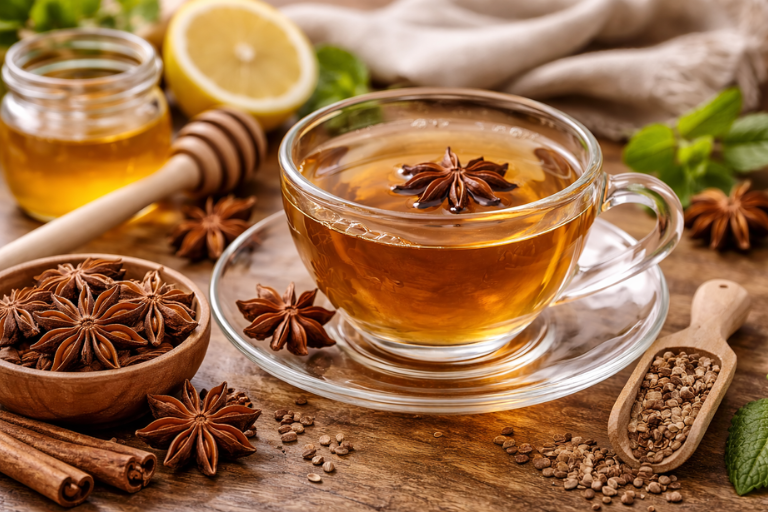
If bloating, cramps, or restless nights keep throwing you off, anise tea might be a simple fix worth your mug. You’ll tap into anethole’s gut-soothing power, gentle antimicrobial support, and a calming nudge that can quiet a racing mind. It may even help balance blood sugar and ease inflammation for steadier digestion. Curious how it tackles gas, nausea, or even hot flashes—plus what the research actually says?
Star Anise Tea for Bloating Relief: How It Works
Sometimes a simple cup of star anise tea is enough to calm a puffed-up belly. You feel relief because key compounds work quickly: anethole relaxes intestinal smooth muscle, while natural oils stimulate digestion so food moves along instead of sitting heavy. Quercetin and linalool add antioxidant support that helps your gut lining cope with stress.
On a mechanistic level, you promote digestive enzymes that break down meals more completely and enhance Na+-K+ ATPase activity to support glucose uptake, easing post-meal sluggishness. In traditional terms, you stoke agni and settle an aggravated Vata.
Modern evidence backs this up: clinical trials report reduced bloating and abdominal discomfort, and anti-inflammatory sesquiterpenes lower cytokines tied to gut irritation. Additionally, ginger tea has been recognized as a safe, non-pharmaceutical remedy that can further aid in alleviating nausea and digestive discomfort. Brew after heavy meals or as a short daily decoction. For safety, ensure you’re using Chinese star anise, since the Japanese variety is toxic.
Anise Tea for Gas, Cramps, and Indigestion
If easing bloat with star anise tea worked for you, it can also tackle gas, cramps, and indigestion. Anethole relaxes your gastrointestinal tract, so gas moves along instead of getting trapped. Its antispasmodic action calms painful gas-related tightness, while antimicrobial effects curb gas-triggering bacteria like E. coli and Salmonella. That’s why traditional Ayurveda and Chinese medicine use it after heavy meals.
For cramps, anethole soothes the gut’s smooth muscles. A 2024 randomized trial found anise powder notably reduced abdominal pain, with an adjusted risk ratio of 0.55 (95% CI: 0.46–0.72), and it outperformed placebo by week 4 and at follow-up. In adults with acute COVID-19, anise powder also improved diarrhea as an add-on therapy in a double-blind, placebo-controlled trial. Regular consumption of herbal teas like anise can contribute to digestive health by enhancing gut motility and reducing discomfort.
For indigestion, star anise supports efficient breakdown of nutrients and reduces excess stomach acid in animal studies. Its anti-inflammatory actions protect the stomach lining and ease irritation.
Nausea and Diarrhea Relief With Anise Tea
Though nausea and diarrhea can derail your day, anise tea offers gentle, evidence-backed relief. You’ll find its aromatic oils, especially trans-anethole, calm the digestive tract with carminative and mild antiemetic effects long recognized in Greek, Roman, Ayurvedic, and Persian medicine. In addition to its soothing properties, natural remedies like ginger tea can also provide significant support for digestive discomfort.
Modern data back this up: in a double-blind, placebo-controlled trial, aniseed powder rich in trans-anethole markedly improved diarrhea after two weeks (adjusted risk ratio 0.55; 95% CI 0.46–0.72) and was well-tolerated.
You may also benefit from star anise’s antimicrobial activity. Lab studies show anethole inhibits diarrhea-causing bacteria such as E. coli and even cholera strains, and combinations like star anise with chamomile help relieve diarrhea. Additionally, star anise contains shikimic acid, a notable compound linked to antiviral research and traditional uses.
How Anise Tea May Support Immunity and Reduce Inflammation
Beyond settling an upset stomach, anise tea offers compounds that may bolster your defenses and calm inflammation. Its antioxidants—quercetin, kaempferol, thymol, and coumaric acid—help neutralize free radicals that drive oxidative stress. Preclinical work shows water and ethanol extracts scavenge superoxide and hydrogen peroxide, supporting your body’s natural defenses.
Anise tea’s antioxidants help neutralize free radicals and support your body’s natural defenses
You also get antimicrobial backup. Anethole inhibits harmful bacteria, including cholera-causing strains, and essential oils from Pimpinella species act against both Gram-negative and Gram-positive microbes.
Animal studies suggest anethole can oppose E. coli K88, protect the intestinal barrier, and support beneficial flora.
For viruses, shikimic acid in star anise contributes antiviral activity and underpins a key flu medication. Together with vitamin C, vitamin A, and iron, these compounds help your immune system respond while curbing inflammatory cytokines. Star anise has been used in Traditional Chinese Medicine for digestive and respiratory issues, reflecting its long-standing role in wellness practices.
Blood Sugar and Anise Tea: What the Research Suggests
While human data are limited, early research points to anise’s key compound anethole and star anise extracts as potential helpers for blood sugar control.
In animals, anethole adjusts enzymes that regulate carbohydrate metabolism, supports insulin-producing pancreatic cells, and lowers high glucose over 45 days. It may also help prevent insulin resistance. Anethole may help regulate blood sugar levels as part of a healthy diet.
Star anise aqueous extracts reduced blood glucose within six hours in normal and diabetic rats and sustained lower levels after seven days, alongside notable antioxidant activity.
Aniseed oil can boost jejunal glucose absorption by stimulating Na⁺-K⁺ ATPase, enhancing sodium gradients that drive sugar transport.
Still, most findings come from concentrated doses in rats, not people. If you drink anise tea, treat it as a complementary option within a balanced diet and guided diabetes care.
Menopause Symptoms and Anise Tea: Hot Flashes and More
After exploring blood sugar effects, it’s worth looking at how anise might ease menopause symptoms—especially hot flashes.
Clinical trials show strong benefits: in four weeks, women taking 330 mg anise seed capsules three times daily saw nearly a 75% drop in hot flash severity and frequency. Similar double-blind studies in Tehran and Qazvin Province confirm sustained reductions over follow-up.
Mechanistically, anise may mimic estrogen. Its key compound, anethole (about 81% in some essential oils), appears to influence estrogen and progesterone, which could rebalance menopausal hormones without synthetic HRT.
Early studies also suggest protection against bone loss, though human bone-density data remain limited.
Because hot flashes—often three minutes with palpitations and sweating—strike at night, fewer episodes can quickly improve sleep, mood, and next-day concentration.
Additionally, research links anise to improved mood, suggesting added psychological benefits alongside menopausal symptom relief.
Frequently Asked Questions
How Does Anise Tea Affect Sleep Quality and Nighttime Relaxation?
It can gently enhance sleep quality and nighttime relaxation. You’ll benefit from mild sedative, anxiolytic, and mood-lifting effects. Sip warm star anise tea before bed, or diffuse its essential oil, to calm your mind and ease drifting off.
What’s the Best Time of Day to Drink Anise Tea?
Drink anise tea in the morning for gentle energy, after meals for digestion, during afternoon breaks for calm, and before bed to unwind. You can sip up to three cups daily, spacing servings every few hours as needed.
Are There Interactions With Common Medications or Supplements?
Yes. You may reduce effectiveness of estrogen birth control and tamoxifen; use backup contraception and avoid with tamoxifen. Possible interactions with blood thinners, blood-pressure drugs, sedatives, acetaminophen, and caffeine. Consult your clinician and avoid star anise confusion.
Is Anise Tea Safe During Pregnancy or Breastfeeding?
It’s not considered safe in pregnancy beyond food amounts; avoid medicinal doses and essential oil due to estrogenic and contraction risks. While breastfeeding, small tea amounts may be acceptable under clinician guidance; monitor for allergies and hormone-sensitive conditions.
How Do I Distinguish Chinese Star Anise From Toxic Japanese Star Anise?
You distinguish them by shape, texture, color, and aroma. Choose 8-pointed, smooth, reddish-brown pods with straight tapered tips and sweet licorice scent. Avoid darker, rough, 10–12-pointed, hook-tipped pods with musty odor. When unsure, rely on chromatographic testing.
Conclusion
You’ve got a simple, soothing ally in anise tea. Sip it to ease bloating, gas, cramps, and indigestion as it relaxes your gut and balances bacteria. Reach for it when nausea or diarrhea strikes, and enjoy its calming lift for better sleep. Its antioxidants may support immunity and tame inflammation, while early research suggests help with blood sugar. If you’re grappling with menopause, it may ease hot flashes, too. Brew a warm cup and feel the gentle difference.