14 Papaya Benefits for Digestion, Skin & Weight Loss
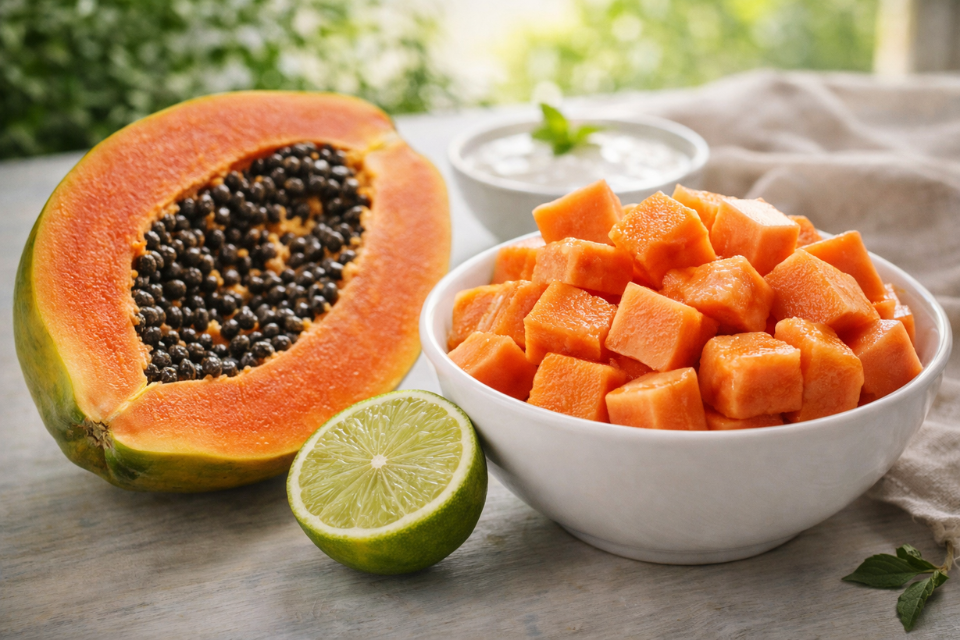
You’re about to see why papaya earns a spot in your kitchen—and not just for its taste. From papain that helps break down protein to fiber that keeps you regular, it supports digestion without fuss. Its antioxidants can boost skin resilience, while its low-calorie sweetness can steady cravings. You’ll also learn smart ways to eat it, when to skip it, and how to avoid common mistakes—so you get the benefits that actually matter.
Papain: The Enzyme That Supports Gut Health
Although papaya gets much of the spotlight, its star compound is papain—an enzyme that helps break down proteins into smaller, easier-to-digest peptides and amino acids.
Papaya’s true star is papain—an enzyme that breaks proteins into easier-to-digest peptides and amino acids.
You benefit because papain supports efficient nutrient access from protein-rich foods and helps your gut handle tough fibers in your meals. It also works in a range of pH conditions, so you get steady support across different dishes and eating patterns.
You’ll find papain most concentrated in raw papaya and certain supplements. Use it thoughtfully: start low, observe how you feel, and check labels for dosage and purity.
If you’re allergic to latex, consult your clinician before trying papain.
Papaya for Smoother Digestion and Less Bloating
You’ll notice papaya makes digestion feel easier thanks to its natural enzymes that help break down proteins.
Its high fiber content keeps things moving, reducing gas and bloating.
Add it to breakfast or a snack, and you’ll likely feel lighter and more regular.
Pairing papaya with leafy dark green vegetables adds extra fiber and antioxidants that further support digestive health, as recommended by the U.S. Department of Agriculture.
Enzymes Aid Digestion
While heavy meals can leave you feeling sluggish and bloated, papaya’s natural enzymes—especially papain—help break down proteins more efficiently so your gut doesn’t work as hard.
You get smoother digestion because papain cleaves large protein chains into smaller peptides and amino acids your body can absorb. Ripe papaya offers the most approachable way to add papain to meals, and a few slices after eating can feel noticeably soothing.
You can also pair papaya with protein-rich dishes to ease post-meal heaviness. If you’re sensitive, start with small portions and observe how you feel.
Choose ripe, orange-fleshed fruit for peak enzyme activity.
For overall digestive support, pair papaya with fiber-rich foods and adequate hydration to promote regularity and reduce bloating.
High Fiber Support
Beyond enzymes, papaya’s fiber content keeps digestion moving and helps prevent bloating. You’ll get both soluble and insoluble fiber, which work together to regulate stool consistency, feed beneficial gut bacteria, and reduce gas.
A cup of ripe papaya delivers gentle bulk without heaviness, helping you feel lighter after meals.
- Choose timing: Eat papaya at breakfast to kickstart motility, or after heavy dinners to curb post-meal bloat.
- Pair smartly: Combine with yogurt for probiotics, or squeeze lime to enhance digestive juices.
- Adjust portions: Start with 1 cup daily; increase gradually and hydrate well to avoid sudden gas or discomfort.
- For added support, drink plenty of water since hydration enhances fiber’s effectiveness and helps keep stools soft.
Papaya Fiber That Keeps You Regular
Even a small serving of ripe papaya packs gut-friendly fiber that helps keep you regular.
You get a balanced mix of soluble and insoluble fiber that softens stool, adds bulk, and supports efficient bowel movements. Insoluble fiber speeds transit, so you’re less likely to feel sluggish or bloated. Soluble fiber holds water, creating a gel that eases passage without straining.
Aim for about a cup of papaya in yogurt, smoothies, or salads. Drink water alongside to maximize fiber’s effect.
If you’re new to higher-fiber foods, increase portions gradually to avoid discomfort. Consistent, modest servings help maintain rhythm and reduce occasional constipation.
Papaya’s Prebiotic Fibers That Feed Good Bacteria
Because your gut bacteria thrive on the right fuel, papaya offers natural prebiotic fibers—like pectin and resistant oligosaccharides—that selectively nourish beneficial microbes.
You feed Lactobacillus and Bifidobacterium, which ferment these fibers into short-chain fatty acids that support gut lining integrity and balanced immunity.
You’ll notice steadier digestion and less gas from better microbial harmony.
- Choose ripe papaya: higher soluble fiber, gentler on your system, and easy to pair with yogurt or kefir.
- Aim for 1 cup a few times weekly to steadily shift your microbiome toward diversity.
- Combine with chia or oats to enhance fermentation and sustain beneficial bacteria.
Papaya for Acid Reflux and Gentle Stomach Support
If acid reflux nags you, you’ll appreciate papaya’s natural antacid enzymes that help break down food gently.
You get soothing digestive relief without heaviness. As a low-acid snack option, it’s easy on your stomach while still satisfying.
Natural Antacid Enzymes
While antacids offer quick relief, papaya provides gentle, natural support for acid reflux thanks to its digestive enzymes. You’ll tap into papain and chymopapain, proteolytic enzymes that help break down proteins faster, easing post-meal pressure that can trigger reflux.
These enzymes support gastric balance rather than suppressing acid outright, making digestion feel smoother and lighter.
- Papain may reduce protein fermentation, lowering gas and belching that push acid upward.
- Chymopapain complements papain, improving overall protein digestion and meal tolerance.
- Papaya’s fiber and alkalizing minerals can buffer acidity, while ripe fruit’s lower acidity helps you enjoy enzyme benefits without provoking irritation.
Soothing Digestive Relief
Beyond its enzyme support, papaya can feel soothing when reflux and stomach upset flare. You may notice less burning as its soft, hydrating flesh helps calm the esophagus and settle queasiness.
The fruit’s natural compounds appear to ease mild inflammation and support smooth digestion, so meals feel gentler afterward.
Choose ripe papaya with orange flesh, remove the seeds, and eat small portions slowly. Pair it with simple foods you tolerate, and avoid lying down immediately after eating.
Track how your body responds; if symptoms persist or worsen, check with a healthcare professional. Papaya complements care, but it doesn’t replace medical guidance.
Low-Acid Snack Option
Because papaya is naturally low in acid, it’s a smart snack when reflux flares or your stomach feels tender. You get gentle sweetness without the burn, plus hydration and fiber that won’t weigh you down.
Ripe papaya’s soft texture is easy to digest, and its enzymes help break down proteins, easing post-meal heaviness.
Try these simple strategies:
- Pair cubes with plain yogurt or cottage cheese to boost protein and stabilize gastric emptying.
- Blend papaya with banana and lactose-free milk for a mellow smoothie that won’t spike acidity.
- Eat small portions between meals; avoid late-night snacking to reduce nocturnal reflux.
Antioxidants in Papaya That Brighten Dull Skin
Even a single slice of ripe papaya delivers a punch of skin-brightening antioxidants that help revive a dull complexion.
You’ll get vitamin C to support collagen production and fade the look of tired, uneven tone. Beta-carotene converts to vitamin A, promoting a smoother surface and added radiance. Lycopene helps counter daily oxidative stress from sun and pollution, keeping skin looking fresh.
Folate and vitamin E contribute to overall glow by supporting cellular repair and moisture balance.
Enjoy papaya on its own, in a citrusy salad, or blended into a smoothie to steadily nourish your skin from the inside out.
Papaya Benefits for Acne-Prone, Inflamed Skin
While breakouts can feel relentless, papaya offers gentle, multitasking support for acne-prone, inflamed skin. Its natural enzymes help dissolve pore-clogging debris, while antioxidants calm visible redness triggered by irritation. You get clearer-looking skin without harsh scrubbing or heavy actives that can backfire.
- Use a mashed, ripe papaya spot mask 1–2 times weekly; leave on 5–10 minutes, then rinse to nudge away buildup.
- Pair papaya extract with niacinamide or green tea to support a balanced barrier and reduce the look of post-blemish discoloration.
- Patch test first; if you’re reactive, start short contact times and avoid open lesions.
Papaya for Collagen Support and Fewer Fine Lines
You want smoother, firmer skin, and papaya can help.
Its vitamin C supports your natural collagen production, which keeps skin bouncy.
Antioxidants in papaya also neutralize free radicals, helping reduce fine lines and wrinkles.
Vitamin C Collagen Boost
A ripe papaya packs a potent dose of vitamin C, a key cofactor your body needs to synthesize collagen—the protein that keeps skin firm and smooth.
When you eat papaya, you supply proline and lysine hydroxylation with the ascorbic acid required to stabilize collagen triple helices. That support can help soften fine lines and promote a plumper look from within.
- Aim for 1 cup of ripe papaya to cover much of your daily vitamin C.
- Pair with protein (eggs, yogurt, tofu) to provide amino acids for collagen assembly.
- Keep pieces fresh, not overripe, to preserve vitamin C potency.
Antioxidants Reduce Wrinkles
Beyond vitamin C’s role in collagen, papaya’s carotenoids and polyphenols help shield skin from oxidative stress that breaks down collagen and elastin.
By neutralizing free radicals, you slow the cascade that triggers fine lines, dullness, and loss of firmness. Lycopene and beta-carotene also modulate inflammation, helping your skin look smoother and more resilient.
Eat ripe papaya several times a week, add it to smoothies with lime, or pair it with yogurt for added protein.
Don’t forget topical support: papaya enzymes in masks may gently exfoliate, improving texture.
Combine regular sun protection, sleep, and hydration to maximize wrinkle-reducing benefits.
Papaya Seeds and Oil for Topical Skin Support
While papaya’s flesh gets most of the attention, its seeds and oil offer notable topical benefits for skin. You can harness gentle enzymes, light exfoliation, and nourishing lipids to support clarity and barrier strength.
Cold-pressed papaya seed oil feels silky, sinks in fast, and won’t leave a heavy film. It pairs well with your nightly routine, especially after cleansing and before moisturizer or sunscreen during the day.
- Enzymatic polish: Mild proteolytic action helps lift dull surface cells for smoother texture.
- Blemish support: Antimicrobial compounds may discourage pore-clogging buildup.
- Barrier nutrition: Rich in oleic and linoleic acids to soften, calm, and reduce transepidermal water loss.
How Papaya Helps Weight Loss Without Hunger
Even as you cut calories, papaya can help you feel satisfied and steady. Its fiber slows digestion, evens blood sugar, and curbs cravings that derail plans. You digest more gradually, so you’re less likely to graze or overeat later.
Papaya’s water and fiber combination adds bulk that keeps your stomach feeling comfortably full. The fruit’s natural sweetness helps tame dessert urges without a heavy calorie load.
Vitamin C and folate support energy and mood while you adjust your intake. Enzymes like papain aid protein digestion, which can reduce bloat and discomfort.
With steadier appetite signals, you can stick to portions confidently.
Low-Calorie, High-Volume Papaya for Smart Snacking
Steady appetite makes room for smart choices, and papaya fits perfectly as a low-calorie, high-volume snack. You get generous portions for few calories, so you satisfy hunger without derailing goals.
Its juicy flesh packs water and fiber, giving your stomach stretch and your taste buds sweetness. Slice half a papaya, squeeze lime, and keep it chilled for quick grabs.
- Volume advantage: about 60 calories per cup, yet substantial bulk.
- Smart pairings: add cottage cheese, Greek yogurt, or a sprinkle of chia for protein and texture.
- Snack strategy: prep wedges, portion containers, and rotate with veggies to keep variety high.
Papaya for Blood Sugar Control and Fewer Cravings
You can lean on papaya for steadier energy thanks to its low glycemic impact.
Its soluble fiber slows sugar absorption, helping you feel satisfied longer and curb cravings.
Plus, papaya’s digestive enzymes support efficient metabolism, so you manage meals without the crash.
Low Glycemic Impact
While sweet and tropical, papaya has a relatively low glycemic load, so it tends to raise blood sugar more gently than many other fruits.
You get steady energy rather than sharp spikes that can trigger cravings. A modest portion pairs well with meals, helping you stay satisfied and on track with weight goals.
Choose ripe, vivid orange flesh for peak flavor without overdoing sweetness. Watch portions and pair with protein-rich foods to keep appetite in check.
- Choose 1 cup diced papaya, about 140 grams, for predictable impact.
- Time it post-workout to replenish without overshooting.
- Combine with Greek yogurt for sustained satiety.
Fiber Slows Absorption
Because papaya supplies both soluble and insoluble fiber, the natural sugars enter your bloodstream more gradually. That steadier release helps prevent sharp spikes and crashes, so you feel energized longer and crave less.
Soluble fiber forms a gentle gel that slows gastric emptying and glucose uptake. Insoluble fiber adds bulk, supporting regularity and promoting fullness. Together, they temper appetite signals, helping you stop at satisfied instead of stuffed.
Pair papaya with protein or healthy fats, and you’ll extend the slow-release effect. Choose ripe fruit, slice reasonable portions, and savor it after meals or as a snack to keep blood sugar—and hunger—steady.
Enzymes Aid Metabolism
Beyond fiber, papaya’s natural enzymes—especially papain—help break down proteins more efficiently, easing digestive workload and smoothing post-meal blood sugar responses.
When your gut processes meals with less strain, glucose enters steadily, avoiding spikes that trigger cravings. You feel satisfied longer, so you’re less likely to snack impulsively.
- Pair papaya with lean protein to enhance amino acid availability and blunt glycemic load.
- Eat a small serving (about 1 cup) 15–30 minutes before meals to prime digestion and promote steadier glucose.
- Choose ripe fruit: bright yellow-orange flesh signals ideal enzyme activity and sweeter taste, reducing added sugar needs.
Best Ways to Eat Papaya for Maximum Benefits
Although papaya is versatile, you’ll get the most benefits by eating it ripe, fresh, and on an empty stomach to aid digestion and nutrient absorption.
Enjoy ripe, fresh papaya on an empty stomach for optimal digestion and nutrient absorption.
Choose orange, slightly soft fruit; scoop out seeds; slice and eat plain. Pair with a squeeze of lime to brighten flavor and enhance vitamin C.
Blend into a smoothie with water or coconut water, not dairy, to support enzyme activity. Add cubes to yogurt alternatives or chia pudding.
Mash into a quick face-friendly snack bowl with mint and ginger. Freeze chunks for fiber-rich sorbets.
Don’t overdo portions; a cup delivers enzymes, antioxidants, and hydration.
Safety, Interactions, and When to Avoid Papaya
If you enjoy papaya regularly, stay mindful of a few safety notes and drug interactions.
Papaya latex can trigger allergies, especially if you’re sensitive to latex, birch, or figs. Unripe papaya contains more latex and may irritate your stomach.
Papain may mildly thin blood; combine cautiously with anticoagulants, antiplatelets, and high-dose fish oil. Papaya may also lower blood sugar—monitor if you use diabetes medications.
- Avoid when pregnant if unripe or in supplement form due to uterotonic latex.
- Stop before surgery to reduce bleeding risk.
- Seek medical advice if you have kidney issues, severe allergies, or take warfarin, aspirin, or NSAIDs.
Frequently Asked Questions
Is Unripe Green Papaya Nutritious and How Does It Differ From Ripe?
Yes, unripe green papaya’s nutritious. You get more enzymes (like papain), resistant starch, and less sugar than ripe fruit. It’s crisper, mildly bitter, great cooked or pickled, while ripe papaya’s sweeter, softer, higher in carotenoids and vitamin C.
Can People With Latex Allergy Safely Handle or Eat Papaya?
Yes, but you should be cautious. Papaya can cross-react with latex. If you’ve had severe latex reactions, avoid it. For mild allergies, wear gloves when handling, start with a tiny bite, and monitor symptoms. Seek medical advice.
Do Different Papaya Varieties (E.G., Mexican vs. Hawaiian) Offer Distinct Benefits?
Yes. You’ll find Mexican papayas larger, milder, less sweet, great for savory dishes; Hawaiian (Solo, Sunrise) smaller, sweeter, aromatic, ideal fresh. Nutrients are similar; differences lie in flavor, texture, seed pungency, ripening speed, shelf-life, and culinary versatility.
How Should Papaya Be Stored to Preserve Nutrients and Flavor Longest?
Store unripe papaya at room temperature until slightly soft and fragrant. Then refrigerate whole up to a week, or cut and seal in airtight containers with lime juice for 2–3 days. Keep away from ethylene-producers unless ripening.
Are There Sustainable or Organic Considerations When Buying Papaya?
Yes—prioritize certified organic, Fair Trade, or Rainforest Alliance papayas, and choose non-GMO varieties. You check country-of-origin, favor smallholder co-ops, and buy seasonal, local when possible. Reduce plastic by choosing loose fruit and compostable packaging, and avoid air-freighted options.
Conclusion
You’ve got a simple, delicious way to support your gut, skin, and weight goals with papaya. Its papain aids digestion and eases bloat, while fiber keeps you regular and feeds good bacteria. Antioxidants and vitamin C help brighten skin and boost collagen. Plus, papaya’s low-calorie, hydrating sweetness curbs cravings without guilt. Enjoy it fresh, in smoothies, or with yogurt and lime. Listen to your body, watch for sensitivities, and you’ll make papaya a smart, feel-good staple.