9 Benefits Of Apple Cider Vinegar You’ll Wish You Knew Sooner

Apple cider vinegar (ACV) has a cult following for a reason. This tangy, amber tonic can support your goals in the kitchen and in your wellness routine without costing a fortune. From helping steady your energy to making salads taste gourmet, ACV pulls more than its weight. Ready to see what the hype gets right?
1. Tames Post-Meal Blood Sugar Spikes

Ever feel the crash after a carb-heavy lunch? A small splash of ACV before or with meals can help blunt those post-meal glucose surges, which often means steadier energy and fewer snack attacks.
How It Helps
- The acetic acid in ACV may slow how quickly your stomach empties.
- It can increase insulin sensitivity for some people at mealtime.
- Less spike = fewer cravings and a calmer afternoon.
Try 1–2 teaspoons diluted in water with meals (not straight—protect those teeth and throat). Great for days when you want energy without the roller coaster.
2. May Support Modest Weight Management
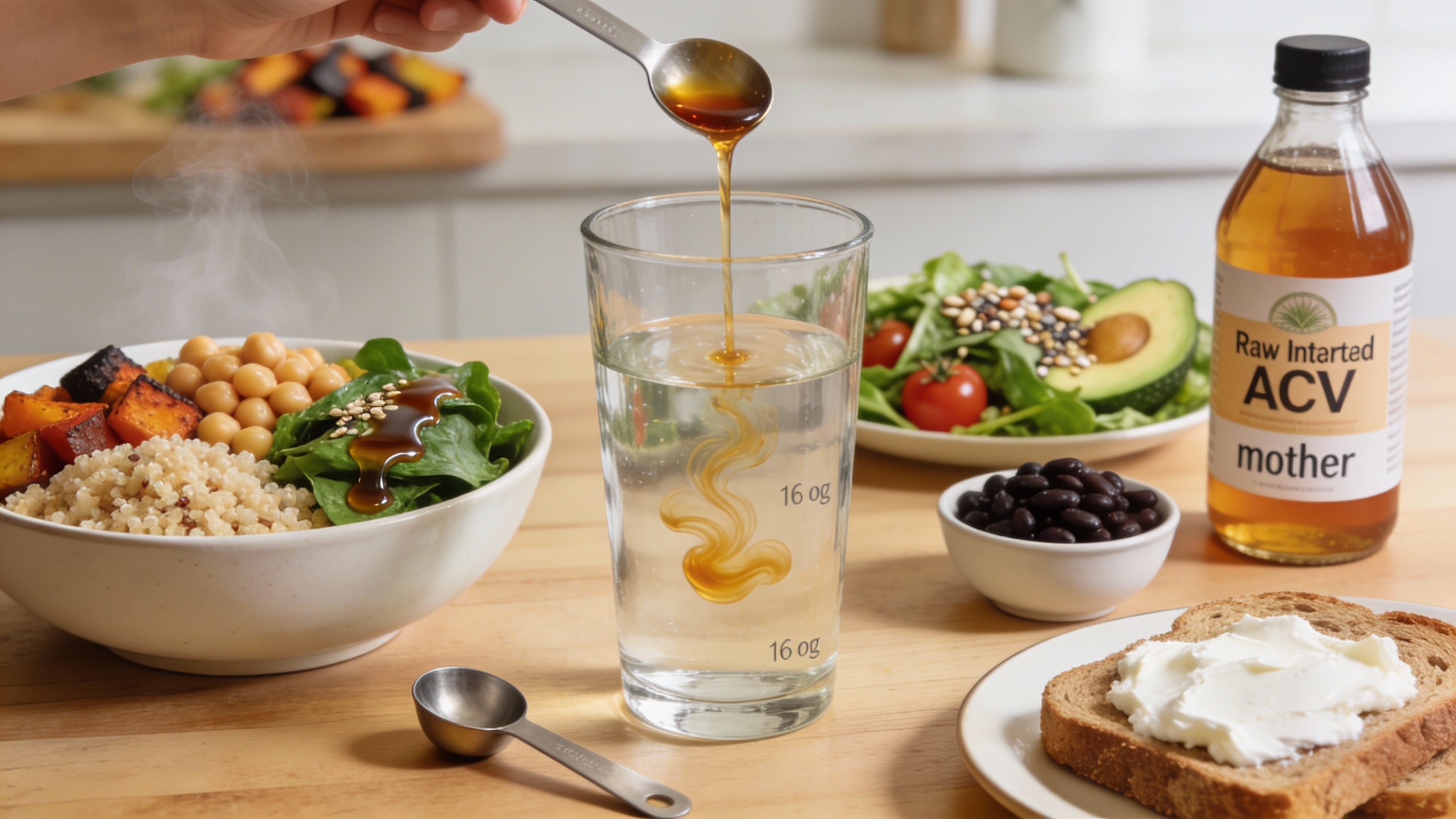
No, ACV won’t replace a balanced diet or a walk, but it can play a small supporting role. People report feeling fuller and snacking less when they pair ACV with protein- and fiber-rich meals.
Tips
- Stir 1 tablespoon into a big glass of water before your main meal.
- Make a hearty ACV-based vinaigrette for grain bowls and salads.
- Combine with high-fiber foods (beans, veggies, whole grains) for extra satiety.
Think of ACV as a tiny helper that nudges your appetite in the right direction—handy when you want portion control without feeling deprived.
3. Brightens Digestion Without Fancy Supplements
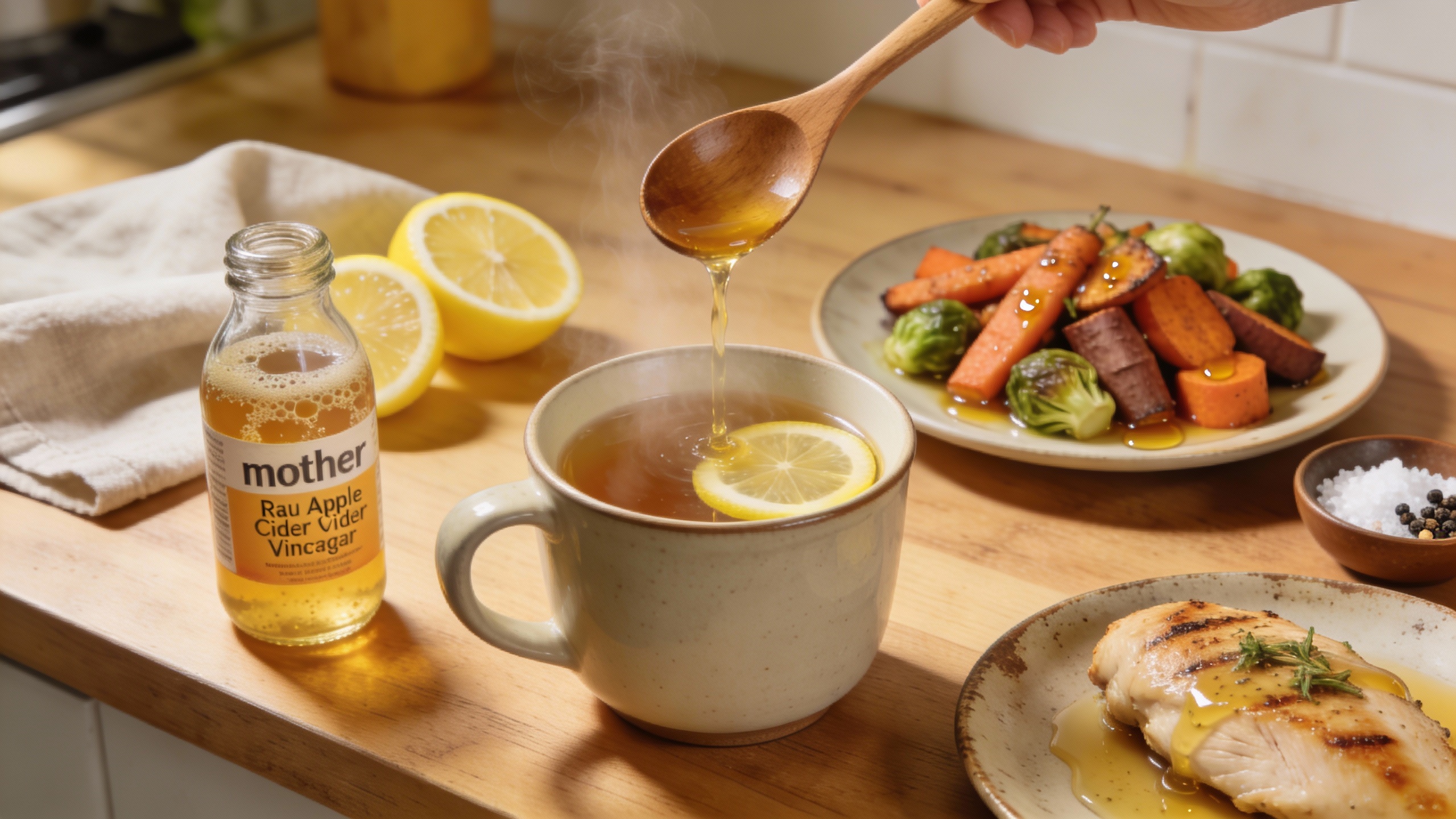
That heavy, post-dinner bloat? ACV can help some people feel less puffy, especially with meals that include starches. The mild acidity may support digestive comfort—nothing magical, just practical.
Simple Uses
- Add a splash to a warm mug of water with lemon before meals.
- Use in marinades; acidity can make proteins feel lighter.
- Drizzle on roasted veggies to cut richness and keep things moving.
When you want a gentle nudge for digestion, ACV offers a low-effort option you can actually enjoy.
4. Elevates Flavor Like a Chef (For Pennies)
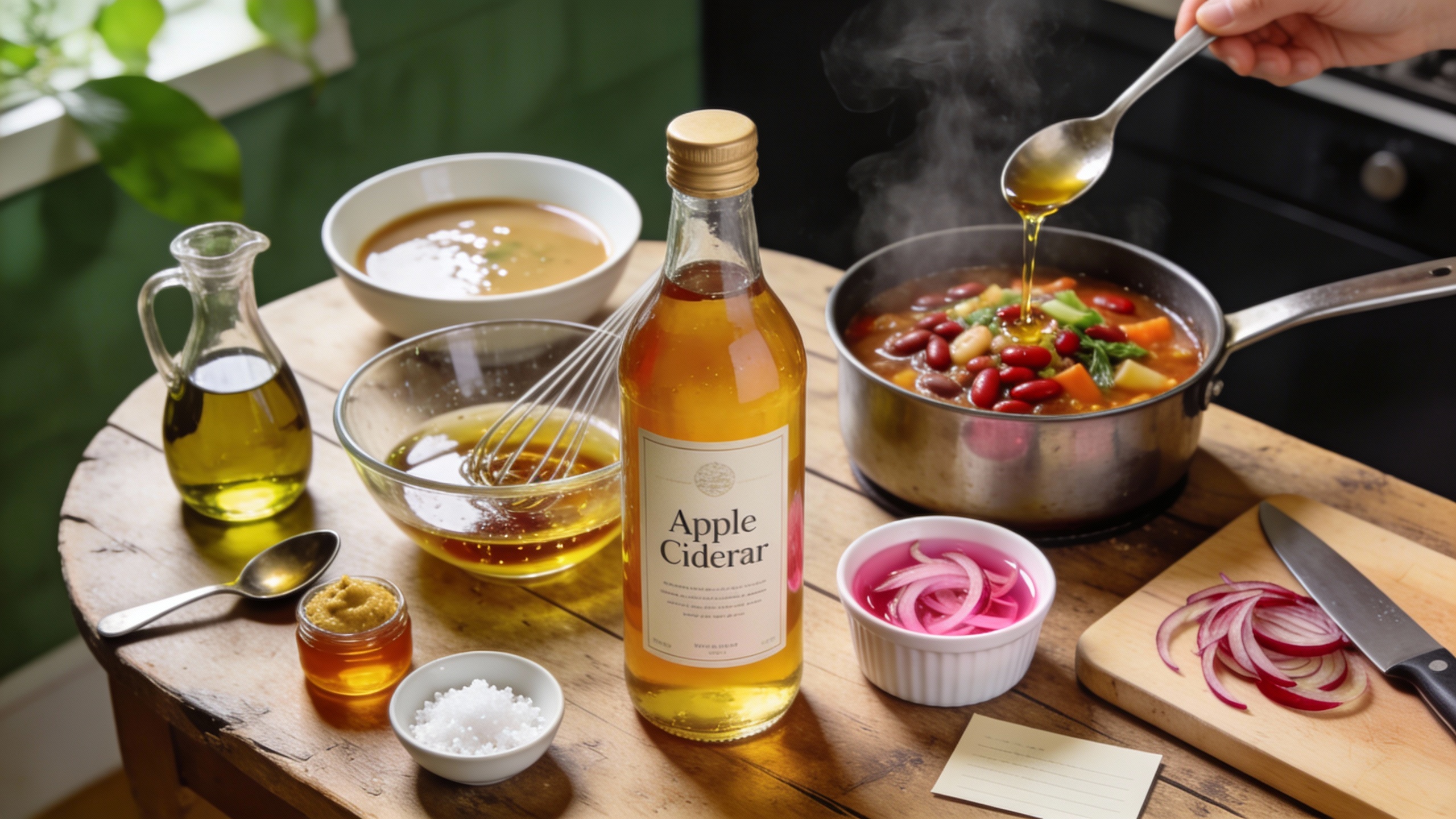
Let’s talk taste. ACV brings bright, fruity tang that wakes up dull dishes and balances salty, sweet, and fatty flavors. You get restaurant-level complexity without weird additives.
Kitchen Power Moves
- Vinaigrette formula: 1 part ACV + 3 parts olive oil + Dijon + honey + salt.
- Finish soups, beans, and stews with a teaspoon just before serving.
- Quick-pickle onions: thinly slice, cover with ACV, pinch of sugar/salt, 30 minutes.
Use ACV when a dish tastes “fine” but not fabulous. One splash, instant glow-up—seriously.
5. A Natural Food Preserver You Already Own
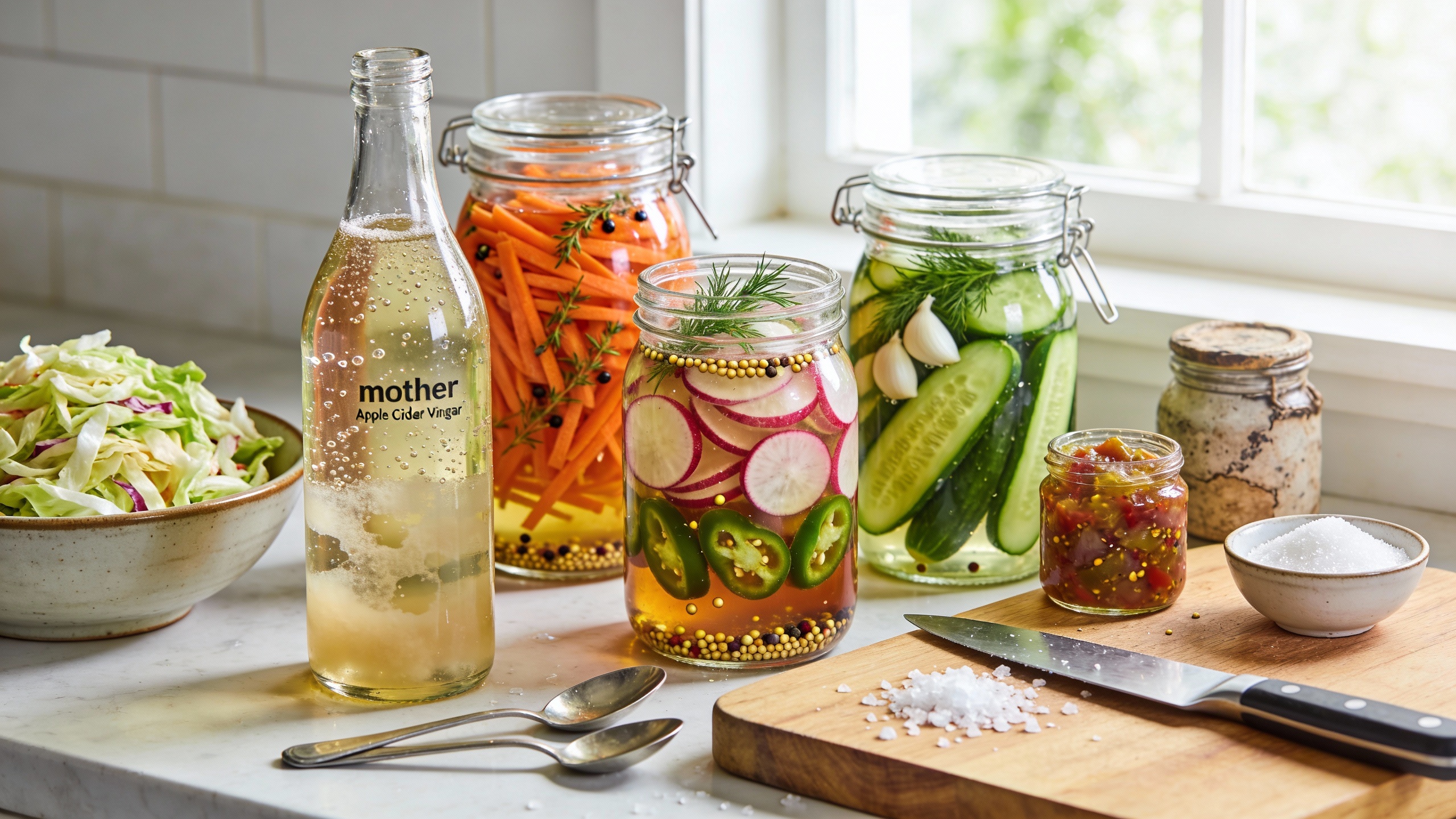
Before refrigerators existed, people used vinegar to keep foods safe longer. ACV’s acidity makes it unfriendly to many spoilage microbes, which means less waste and more flavor-packed condiments.
Great For
- Quick pickles (cucumbers, carrots, radishes, jalapeños).
- Slaws and relishes that stay crisp and bright.
- Homemade condiments with longer fridge life.
Want crunchy, zesty toppings on standby? ACV preserves and perks them up, so busy weeks still taste exciting.
6. Can Freshen Skin and Scalp (With Care)
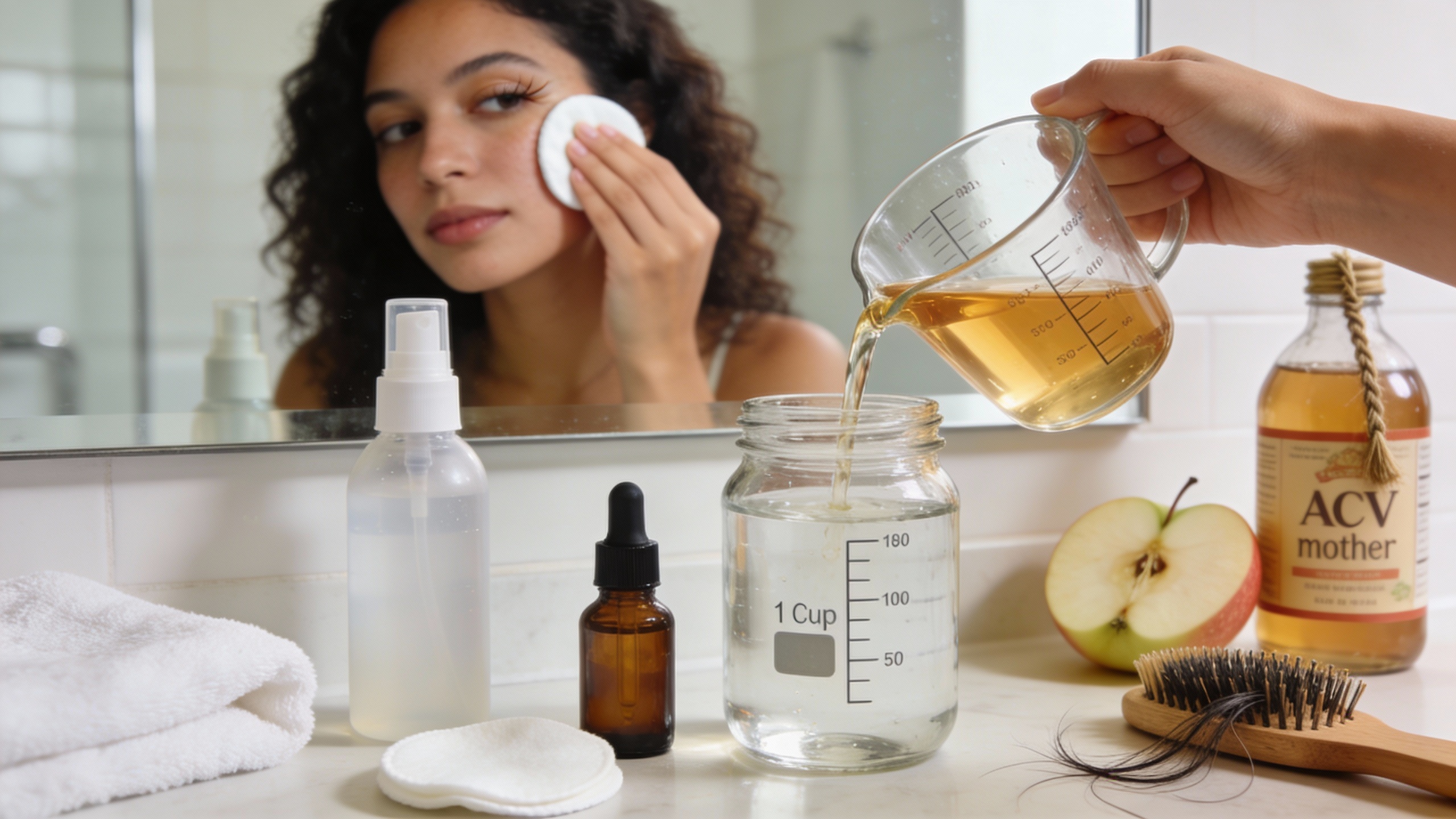
ACV’s acidity can help balance the skin and scalp’s pH. Used properly, it may reduce product buildup on hair and calm occasional skin gripes. The key word: diluted.
How To Try It
- Hair rinse: 1 tablespoon ACV in 1 cup water after shampoo; rinse out after 1–2 minutes.
- Skin toner: 1 teaspoon ACV in 1 cup water; patch test; apply with cotton, then moisturize.
- FYI: Avoid open cuts, irritated skin, and eyes. Stop if you notice stinging or redness.
Use when your hair feels coated or your skincare routine needs a reset. Gentle, not daily—your skin barrier will thank you.
7. Helps Neutralize Kitchen Odors And Messes
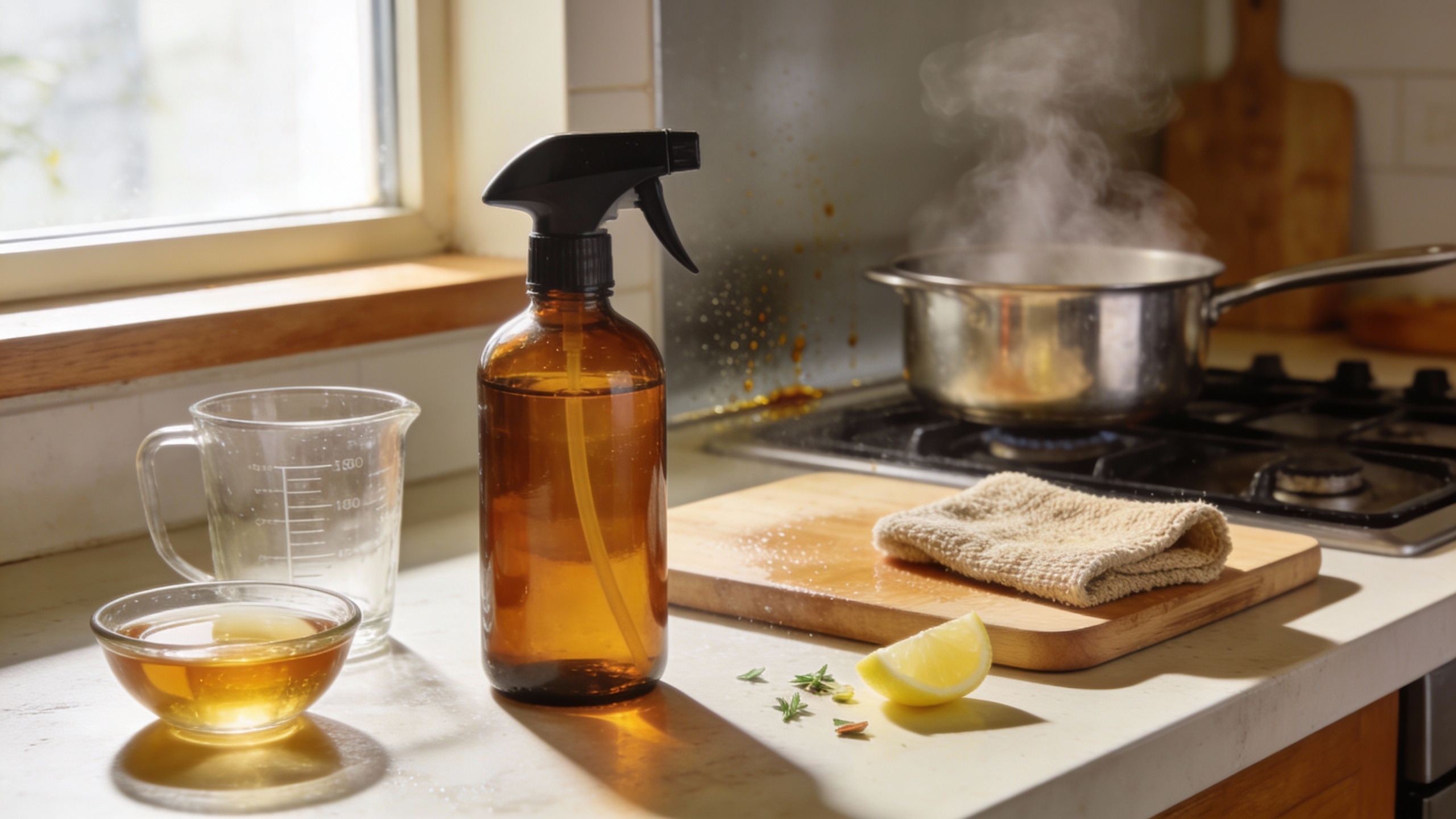
ACV doubles as a simple home helper. Its acidity cuts grease, and the scent fades clean, not perfumey. It’s the thrifty swap your cleaning caddy wanted.
Easy Wins
- Mix equal parts ACV and water in a spray bottle for counters and fridge shelves.
- Simmer a small pot of water with a splash of ACV to clear lingering cooking smells.
- De-gunk cutting boards, then rinse well and dry.
Use it after cooking fish, frying anything, or whenever your kitchen smells like “yesterday.” Cheap, effective, and fuss-free.
8. May Support Heart-Healthy Habits
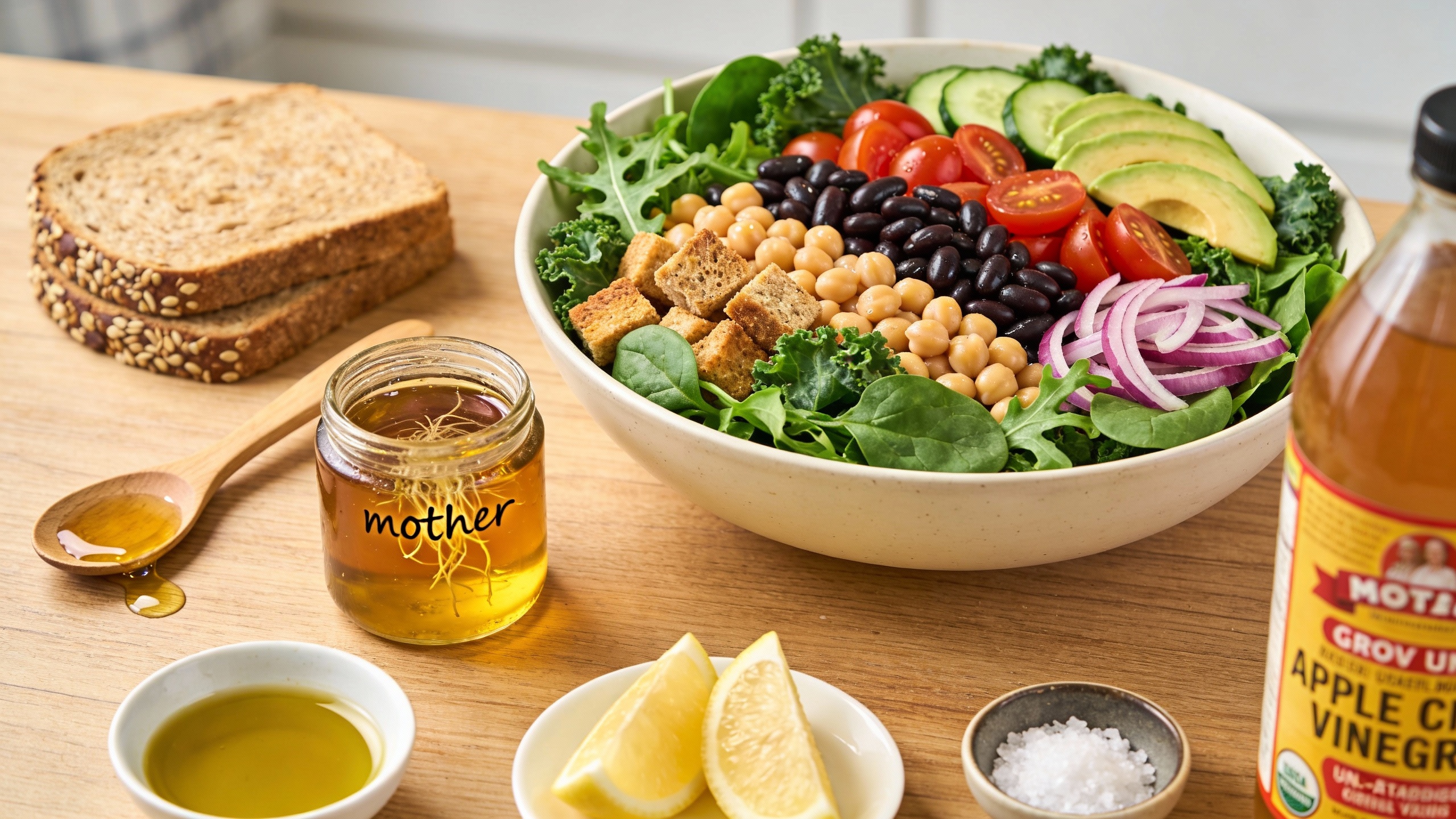
Pair ACV with a diet rich in plants, whole grains, and healthy fats, and you’ve got a solid wellness combo. Some research links vinegar intake with small improvements in certain heart-related markers.
Smart Pairings
- Leafy greens + beans + ACV vinaigrette = fiber plus flavor.
- Swap sugary dressings for ACV-based ones to cut added sugar.
- Use ACV to season instead of extra salt when possible.
Think of ACV as a flavorful nudge toward heart-smart meals—IMO, any habit that makes salads craveable is a win.
9. Budget-Friendly, Pantry-Stable Wellness Staple
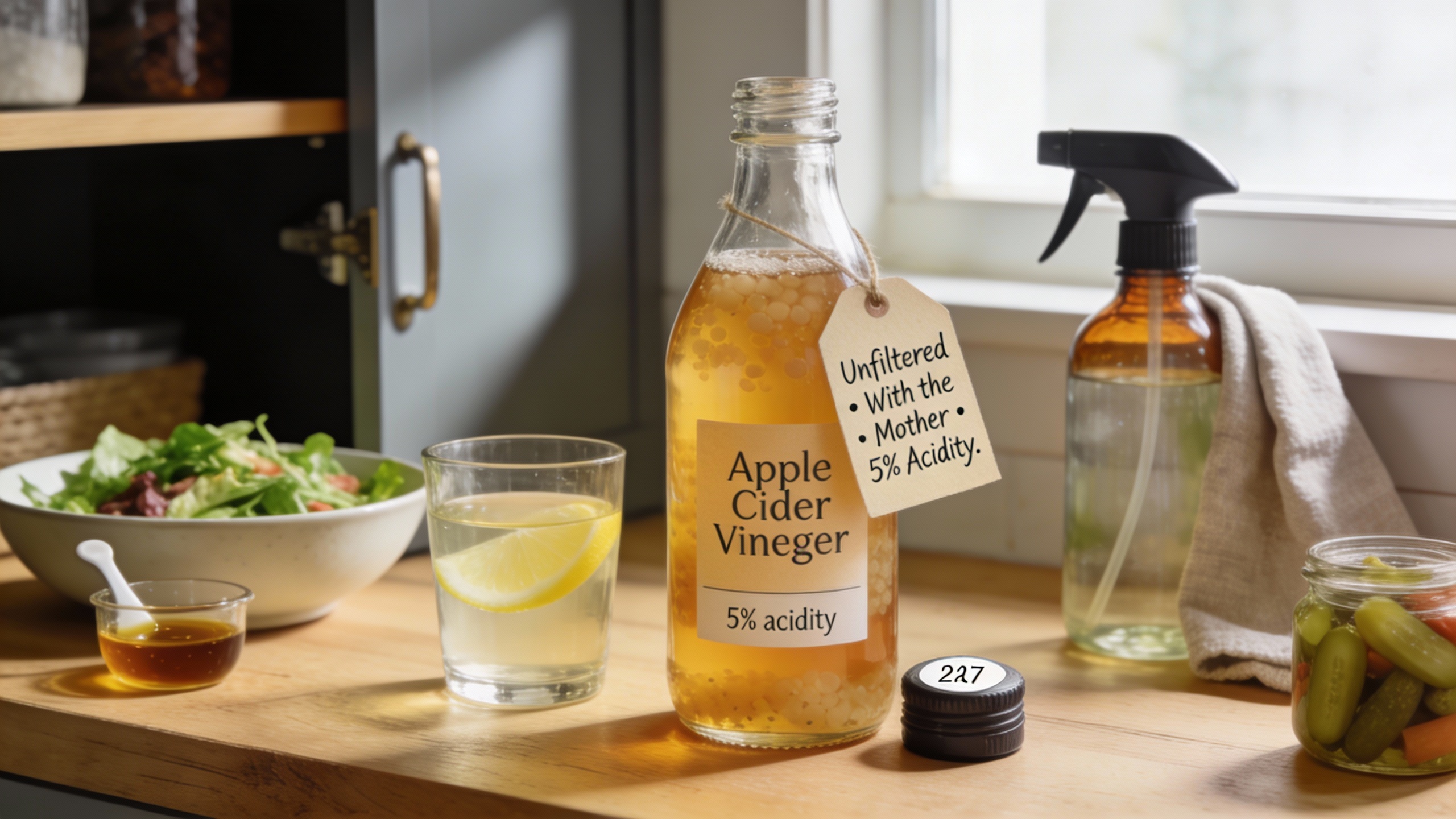
ACV costs little, lasts ages, and wears many hats. You can cook with it, clean with it, and use it in simple DIY routines—all from one bottle.
What To Look For
- With “the mother”: Unfiltered varieties carry the cloudy culture many fans prefer.
- Acidity: Most bottles sit at 5%—standard for recipes and pickling.
- Storage: Keep it cool, dark, and tightly sealed.
Reach for ACV when you want one product that stretches your dollar and your creativity. It’s the MVP of “do more with less.”
Ready to experiment? Start with a tasty vinaigrette, a pre-meal sip (diluted!), or a quick-pickle jar and see what sticks. Keep it simple, stay consistent, and let this small-but-mighty staple earn a permanent spot on your counter—trust me, you’ll use it more than you think.