Top 10 Hibiscus Tea Benefits
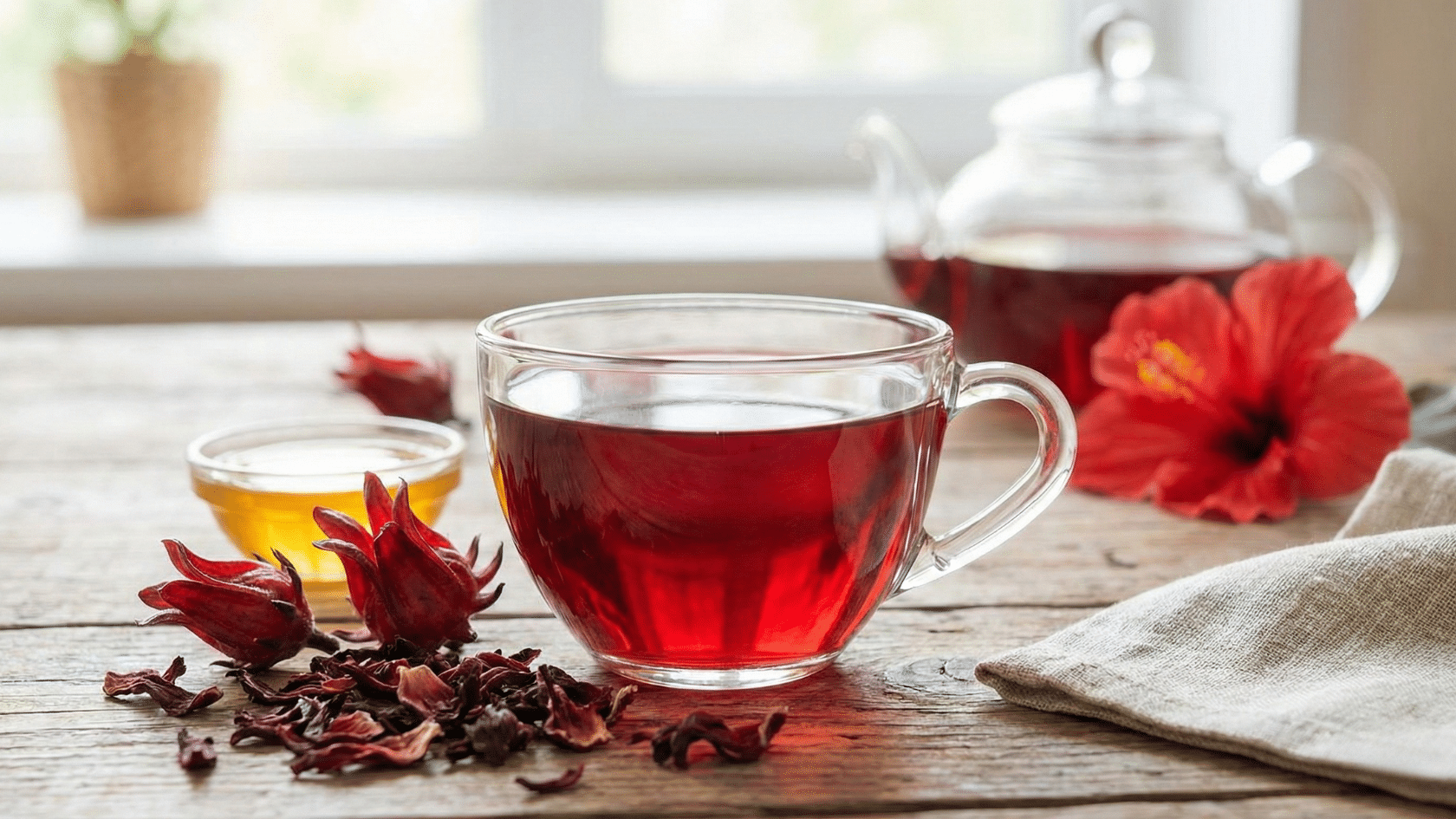
You’ve probably heard about green tea’s health benefits, but hibiscus tea might be the overlooked champion your wellness routine needs. This vibrant red brew doesn’t just taste invigorating—it’s packed with compounds that can transform your cardiovascular health, boost your immune system, and even support your weight management goals. From its powerful antioxidant properties to its natural ability to lower blood pressure, hibiscus tea offers benefits that’ll surprise you.
Powerful Antioxidant Protection Against Free Radicals
Free radicals wreak havoc on your body’s cells daily, but hibiscus tea delivers exceptional protection through its remarkable antioxidant arsenal.
You’ll benefit from multiple powerful compounds including vitamin C, beta-carotene, and anthocyanins that neutralize these harmful molecules before they damage your cells and DNA.
What’s impressive is that hibiscus tea ranked number-one in antioxidant content among 280 common beverages, surpassing even green tea.
When you drink hibiscus tea, these protective phytonutrients rapidly absorb into your bloodstream within an hour, boosting your body’s antioxidant power system-wide.
This protection helps shield you from oxidative stress-related diseases like cancer, heart disease, and diabetes while supporting your overall cellular health and slowing age-related damage. Studies show hibiscus extract significantly reduces oxidative stress in individuals with Marfan syndrome, demonstrating its therapeutic potential for genetic conditions.
Natural Blood Pressure Reduction for Heart Health
Beyond protecting your cells from damage, hibiscus tea offers remarkable benefits for your cardiovascular system by naturally lowering blood pressure. Clinical studies show you can expect average reductions of 5-7 mmHg in systolic blood pressure, with some trials demonstrating effectiveness comparable to captopril, a prescription ACE inhibitor medication. You’ll see the most significant benefits if you have prehypertensive or hypertensive levels. The tea’s bioactive compounds work as natural ACE inhibitors while polyphenols and anthocyanins promote vasodilation by improving your blood vessel function. Additionally, regular consumption of hibiscus tea can complement other natural remedies for hypertension. Studies typically recommend 2 to 3 cups of hibiscus tea daily for four to eight weeks to achieve these blood pressure benefits. Research confirms both hot and cold preparations work, though hot extracts show more potent effects. If you’re taking blood pressure medications, consult your doctor before adding hibiscus tea to avoid potentially excessive blood pressure drops.
Improved Cholesterol and Lipid Profile Management
While hibiscus tea’s blood pressure benefits are impressive, its ability to improve your cholesterol and lipid profile offers another compelling reason to make it part of your daily routine.
Studies demonstrate that regular hibiscus consumption can reduce your total cholesterol by 5.03% to 23.2% over time. You’ll see even more significant improvements in LDL cholesterol, with reductions ranging from 6.7% to 30.8%.
The ideal dosage appears to be 1000 mg taken three times daily, which can lower your total cholesterol by 8.3% to 14.4%. You’ll typically notice these improvements after 60 days of consistent use. Research shows that hibiscus contains beneficial plant sterols that work by blocking cholesterol absorption in the intestines.
While hibiscus shows promise for raising HDL cholesterol and reducing triglycerides, these effects aren’t as consistently proven and require further research.
Enhanced Weight Management and Fat Loss Support
You’ll find hibiscus tea naturally supports your weight management goals through multiple mechanisms that target fat storage and metabolism.
The tea helps prevent fat accumulation in your cells while simultaneously inhibiting carbohydrate absorption, reducing the likelihood of excess calories being stored as fat.
As a naturally low-calorie beverage, hibiscus tea serves as an excellent alternative to sugary drinks, helping you maintain a caloric deficit essential for effective weight loss. The tea’s antioxidant content also boosts your metabolic processes, enhancing your body’s ability to burn calories more efficiently.
Fat Accumulation Prevention
Since maintaining a healthy weight becomes increasingly challenging with age and lifestyle factors, hibiscus tea offers a natural approach to preventing fat accumulation through multiple biological pathways.
You’ll benefit from hibiscus tea’s ability to suppress adipogenesis—the process where your body forms new fat cells. The tea’s bioactive compounds from *Hibiscus sabdariffa* actively inhibit the PPARγ pathway, reducing your body’s tendency to store fat. Additionally, turmeric’s anti-inflammatory properties can further enhance your weight management efforts by reducing inflammation linked to obesity.
Additionally, hibiscus extract blocks pancreatic lipase, an enzyme that breaks down dietary fats, potentially preventing their absorption.
Your liver health improves as hibiscus tea reduces hepatic fat buildup, enhancing your metabolic function. The rich anthocyanins provide antioxidant protection, combating oxidative stress that can impair metabolism. Regular consumption may help lower your total cholesterol levels, supporting a healthier lipid profile.
Research demonstrates dose-dependent effects, with animal studies showing significant reductions in body weight and lipid accumulation when you incorporate hibiscus tea into your daily routine.
Carbohydrate Absorption Inhibition
When you consume hibiscus tea with carbohydrate-rich meals, you’re activating a powerful mechanism that directly interferes with your body’s ability to break down and absorb sugars. The polyphenolic compounds in hibiscus sabdariffa specifically target α-glucosidase enzymes, which are responsible for breaking down complex carbohydrates into absorbable glucose molecules.
Studies demonstrate that hibiscus extract creates dose-dependent inhibition of these digestive enzymes, resulting in considerably reduced postprandial blood glucose levels. You’ll experience lower insulin spikes after meals, indicating improved carbohydrate metabolism.
The enzyme inhibition is particularly selective, targeting glucose release more effectively than starch breakdown. This mechanism reduces caloric absorption from carbohydrates while promoting better glucose regulation. Additionally, hibiscus extract enhances muscular glucose uptake, directing available glucose toward muscle tissue rather than fat storage.
Multiple polyphenols work synergistically to achieve this effect, making hibiscus tea a natural complement to blood sugar management strategies.
Low-Calorie Beverage Alternative
Beyond its enzyme-inhibiting properties, hibiscus tea serves as an exceptionally effective low-calorie beverage that actively supports your weight management goals through multiple metabolic pathways. You’ll consume virtually no calories while staying hydrated, making it an ideal replacement for high-calorie sodas, sugary juices, and alcoholic beverages that sabotage your diet efforts. The tea’s compounds boost your metabolism and increase energy expenditure while reducing fat cell size. Research suggests that incorporating natural foods into your diet can further enhance fat loss efforts.
Clinical studies demonstrate significant reductions in body weight, body fat, and waist circumference when you drink 1-3 cups daily. Its rich antioxidant content combats inflammation linked to obesity and metabolic disorders. Research shows that hibiscus consumption alters gene expression, specifically downregulating cholesterol synthesis pathways in the body. Additionally, hibiscus enhances your liver function, improving fat breakdown and detoxification processes essential for effective weight control.
Antibacterial Properties for Infection Prevention
The antibacterial effects stem from flavonoids, phenols, and organic acids that disrupt bacterial cell walls and inhibit biofilm formation.
This makes hibiscus tea a promising natural option for infection prevention. Studies have demonstrated that methanolic extracts show particularly strong activity against Staphylococcus aureus and E. coli bacteria.
Promising Anticancer Cell Growth Inhibition
You’ll find hibiscus tea’s anticancer potential extends across multiple cancer types, with research showing effectiveness against breast, colon, and liver cancer cells.
The tea’s powerful phytochemicals—including anthocyanins, flavonoids, and polyphenols—work through specific mechanisms to target malignant cells while sparing healthy tissue.
These compounds don’t just fight cancer randomly; they activate precise cellular pathways that induce apoptosis and suppress tumor growth. Studies demonstrate that hibiscus extracts can inhibit metastasis by reducing the migration and invasion of cancer cells to other parts of the body.
Multiple Cancer Types
Although conventional cancer treatments often damage healthy cells alongside malignant ones, hibiscus tea extracts demonstrate remarkable selectivity in their anticancer effects. You’ll find that research shows hibiscus compounds effectively target multiple cancer types while sparing healthy tissue.
Studies reveal hibiscus extracts combat various cancers through dose-dependent growth inhibition:
- Breast cancer – Both estrogen receptor positive (MCF-7) and triple-negative (MDA-MB-231) cell lines
- Melanoma – Significant growth suppression without affecting nontransformed cells
- Leukemia – Demonstrated antiproliferative effects in blood cancer studies
- Liver cancer – Reduced cell proliferation through cell cycle disruption
The low molecular weight compounds in hibiscus work synergistically with larger molecules, creating potent anticancer effects. Research indicates that hibiscus compounds can function as effective chemotherapy adjuvants, enhancing the efficacy of traditional cancer treatments while potentially reducing their toxic side effects.
This selective toxicity means you’re getting therapeutic benefits without the harsh side effects typical of conventional chemotherapy.
Phytochemical Mechanisms Involved
Behind hibiscus tea’s impressive anticancer effects lies a sophisticated arsenal of phytochemicals that work through multiple targeted mechanisms.
When you drink hibiscus tea, you’re consuming powerful anthocyanins and polyphenols that don’t just neutralize free radicals—they actively target cancer cells through precise molecular pathways.
These compounds induce apoptosis by generating reactive oxygen species specifically in cancer cell mitochondria while upregulating pro-apoptotic proteins. They’ll arrest your cancer cells’ division cycle, preventing uncontrolled proliferation that leads to tumor growth.
The flavonoids disrupt survival signals that cancer cells rely on, suppress oncogene activity, and activate tumor suppressor pathways.
What’s remarkable is their selective cytotoxicity—they preferentially kill cancer cells while sparing healthy tissue, making them natural chemopreventive agents.
Liver Health Support and Detoxification Aid
When you’re looking to support your liver’s natural functions, hibiscus tea offers a powerhouse of antioxidants that directly protect your liver cells from oxidative damage.
These protective compounds help reduce inflammation and prevent harmful toxin accumulation, making your liver more efficient at processing waste.
Research shows hibiscus extract can improve fatty liver disease by reducing fat buildup in liver tissue. A 2014 study found that overweight individuals experienced significant improvements in liver steatosis after consuming hibiscus extract.
Your liver benefits from hibiscus through multiple mechanisms:
- Enhanced detoxification – Supporting your liver’s natural cleansing processes
- Reduced inflammation – Protecting liver cells from chronic damage
- Improved metabolic balance – Maximizing biochemical functions
- Fat accumulation prevention – Reducing liver steatosis risk
Incorporating hibiscus tea into your routine provides complementary support for superior liver health.
Immune System Strengthening With Vitamin C
You’ll boost your immune system considerably when you drink hibiscus tea, as it contains an impressive 43.6 mg of vitamin C per cup.
This powerful antioxidant protects your immune cells from free radical damage while promoting white blood cell function to fight off infections.
Your body’s tissue repair and wound healing processes also get enhanced support, helping you recover faster from illnesses. Additionally, incorporating vitamin C into your diet can help strengthen the immune system during cold and flu season.
Vitamin C Content
Since most herbal teas contain negligible amounts of vitamin C, hibiscus tea stands out as a remarkable exception with approximately 43.6 mg per cup. This impressive concentration makes it comparable to fresh strawberries and remarkably higher than green tea, which contains virtually no vitamin C.
The vitamin C content in hibiscus tea provides substantial nutritional value:
- Daily intake contribution – One cup provides roughly half your recommended daily vitamin C needs.
- Superior antioxidant capacity – Surpasses traditional herbal teas in antioxidant potential.
- Consistent presence – Studies using titrimetric methods confirm reliable vitamin C levels across preparations.
- Enhanced bioavailability – Works synergistically with hibiscus’s natural bioflavonoids for maximum absorption.
You’ll get the most vitamin C by avoiding overboiling and consuming your tea fresh.
Immune Cell Protection
Beyond simply providing vitamin C, hibiscus tea delivers a powerful combination of immune-supporting compounds that work together to strengthen your body’s natural defenses.
The anthocyanins in hibiscus actively reduce chronic inflammation while modulating cytokine activity, creating an ideal environment for your immune cells to function effectively.
Clinical studies show hibiscus extracts notably lower inflammatory biomarkers like TNF-α, IL-6, and IL-1β – compounds that can otherwise suppress your immune system.
The tea’s polyphenols and phytochemicals don’t just support your existing immune cells; they actively inhibit pathogenic microbes, giving your body an extra layer of protection.
Gossypetin, a unique compound found in hibiscus, even activates microglia in your brain, providing neural immune protection that extends beyond your peripheral immune system.
Tissue Repair Support
Three essential processes drive your body’s ability to heal and rebuild damaged tissues: collagen synthesis, cellular regeneration, and immune-mediated repair. Hibiscus tea’s exceptionally high vitamin C content directly supports all three mechanisms, making it a powerful ally for tissue health.
Your body uses vitamin C to produce collagen, the structural protein that maintains skin elasticity, bone strength, and blood vessel integrity. Additionally, hibiscus acid stimulates hyaluronic acid production, enhancing skin hydration and repair processes.
The vitamin C in hibiscus tea delivers multiple tissue repair benefits:
- Accelerates wound healing through enhanced collagen formation
- Protects against oxidative damage that impairs tissue regeneration
- Strengthens immune response for faster recovery from injury
- Improves iron absorption supporting oxygen transport to healing tissues
Regular consumption helps maintain continuous collagen synthesis while preventing tissue degradation.
Reduced Oxidative Stress and Cellular Damage
Although your body naturally produces antioxidants, it often can’t keep up with the constant barrage of free radicals from pollution, stress, and daily metabolism.
Hibiscus tea’s high concentration of anthocyanins and polyphenols greatly boosts your total antioxidant capacity, creating a stronger defense against oxidative damage.
When you drink hibiscus tea regularly, you’ll reduce malondialdehyde levels—a key marker of cellular damage—while protecting your DNA, proteins, and lipids from free radical attacks.
The tea’s compounds inhibit xanthine oxidase activity, cutting down reactive oxygen species production at the source.
Studies show that just 21 days of daily hibiscus consumption improves antioxidant status in older adults.
This enhanced protection extends beyond cardiovascular health, strengthening cellular repair mechanisms and slowing molecular aging throughout your body.
Low-Calorie Alternative to Sugary Beverages
When you’re looking to cut calories without sacrificing flavor, hibiscus tea emerges as an exceptional replacement for sugar-laden beverages. With only 0-4 calories per cup compared to 100+ calories in typical sugary drinks, you’ll markedly reduce your daily caloric intake while maintaining hydration.
This naturally tart beverage offers substantial advantages for weight management and blood sugar control:
- Zero glycemic impact – Won’t spike your blood glucose levels like sodas
- Rich micronutrients – Provides vitamin C, calcium, magnesium, and potassium without sugar
- Natural flavor satisfaction – Reduces cravings for artificially sweetened drinks
- Cost-effective preparation – Cheaper than commercial beverages with longer shelf life
You’ll support long-term health goals while enjoying a flavorful drink that won’t derail your dietary efforts or trigger energy crashes.
Conclusion
You’ve discovered hibiscus tea’s incredible potential as a daily wellness companion. With its powerful antioxidants, blood pressure benefits, and weight management support, you’re getting multiple health advantages in one delicious cup. You’ll enjoy improved heart health, stronger immunity, and natural detoxification while sipping a low-calorie beverage that’s both invigorating and therapeutic. Make hibiscus tea your go-to drink and you’ll be investing in your long-term health with every sip you take.
References
- https://www.healthline.com/nutrition/hibiscus-tea-benefits
- https://www.webmd.com/diet/hibiscus-tea-is-it-good-for-you
- https://pmc.ncbi.nlm.nih.gov/articles/PMC9033014/
- https://pmc.ncbi.nlm.nih.gov/articles/PMC9086798/
- https://health.clevelandclinic.org/benefits-of-hibiscus
- https://nutritionfacts.org/topics/hibiscus-tea/
- https://www.verywellhealth.com/does-hibiscus-tea-lower-blood-pressure-11762614
- https://www.frontiersin.org/journals/pharmacology/articles/10.3389/fphar.2022.840478/full
- https://pmc.ncbi.nlm.nih.gov/articles/PMC6621350/
- https://www.scirp.org/journal/paperinformation?paperid=91817