7 Health Benefits of Barley Water for Kidney Stones and UTI Prevention
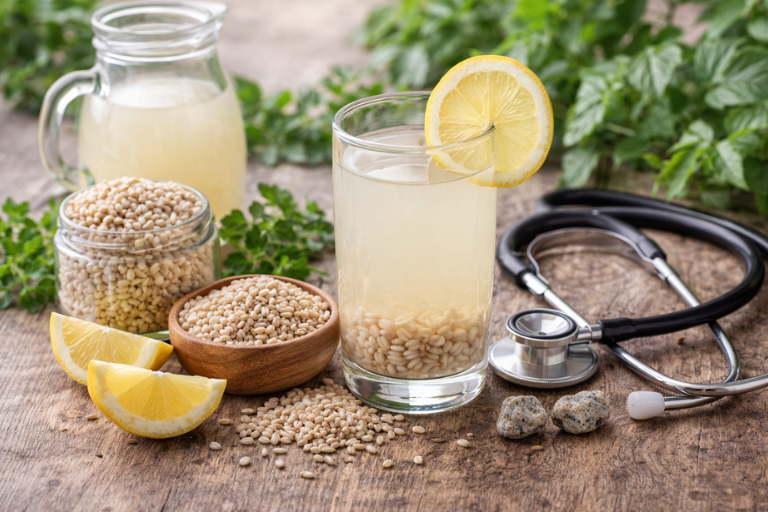
If you’re worried about kidney stones or UTIs, barley water might offer quiet but meaningful support. It can boost urine flow, supply magnesium and vitamin B6, and bring anti-inflammatory antioxidants to the table. You’ll also want to know how to prepare it safely, how much to drink, and who should avoid it. But it’s not a cure-all, and the research has limits—here’s what it may help with, what it won’t, and when to call your doctor.
Barley Water for Kidney Stones: What It May (and May Not) Do
Although barley water has a long folk reputation for “cleansing” the kidneys, its real strengths are more modest and practical: it can increase urine output, help dilute stone‑forming minerals, and may ease the passage of very small stones.
You’ll urinate more, which flushes excess salts, lowers crystal concentration, and supports overall kidney health. Its minerals and vitamins add support: vitamin B6 can curb oxalate production, magnesium helps counter calcium oxalate, and fiber may reduce urinary calcium. Antioxidants also help tamp down inflammation. [In Saudi Arabia, nonconventional remedies like barley are commonly used despite limited proof, with surveys showing higher reliance on these methods than on established treatments.]
Still, don’t expect barley water to dissolve established stones. Evidence shows oxalate oxidase doesn’t break common stone types, and beta‑glucan’s role remains unproven.
Surveys and animal studies suggest benefits for prevention and tiny stones, not complete removal. Think of it as supportive—not curative.
Safe Use: Preparation, Dosage, and Timing
Barley water works best as a supportive habit, so now let’s focus on making and using it safely.
Rinse barley several times to remove debris. Soak it at least 7 hours to reduce cook time, gas, gluten, and phytic acid.
Rinse barley well, then soak 7+ hours to ease cooking, lessen gas, gluten, and phytic acid.
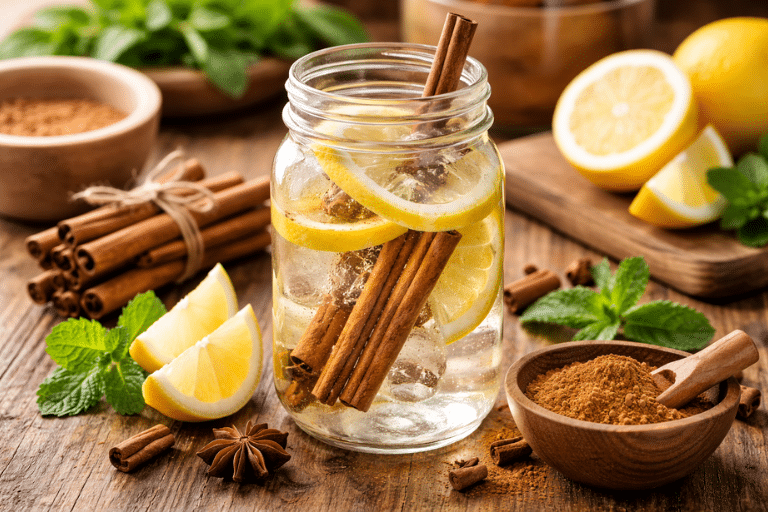
Then boil 1/4 cup barley in 3 cups water, or simmer 1 tablespoon pearls in 1 liter for about 30 minutes until reduced by half. Add ginger or a cinnamon stick for flavor; strain and cool before drinking.
Drink it plain at room temperature when addressing stones, UTI, dehydration, or fever. Start promptly after diagnosis, and sip throughout the day to meet fluid needs. Daily hydration of 8–9 glasses of water supports kidney function and helps with toxin elimination.
Continue daily until UTI symptoms subside. Add lemon or honey right before serving if desired. Store for same‑day use. Use alongside prescribed care.
Risks and Who Should Avoid Barley Water
Even when you make it correctly, barley water isn’t risk‑free, and some people shouldn’t drink it. Unstrained versions are high in fiber and can trigger bloating, gas, cramps, and constipation—sometimes severe.
If digestive symptoms last beyond seven days or you notice rectal bleeding with sharp pain, stop and call your doctor. You’re more likely to feel discomfort if you’re sensitive to high‑fiber foods. Overconsumption can cause stomach irritation leading to pain, cramps, or nausea.
Avoid barley water if you have celiac disease or gluten sensitivity. Allergic reactions can be immediate and serious—itching, hives, facial or throat swelling, trouble breathing, nausea, vomiting, diarrhea, or abdominal pain.
Cross‑reactivity can affect people allergic to other grains or grasses.
If you use glucose‑lowering drugs, get medical guidance; barley water may drop blood sugar and disturb electrolytes.
Kidney disease, hyperkalemia, pregnancy (sprouts), breastfeeding, children, elderly, and immunocompromised require extra caution.
Diuretic and Urine pH Effects: What the Research Shows
While claims can get ahead of the data, research suggests barley water acts as a mild, natural diuretic that increases urine volume and frequency, helping flush stone‑forming minerals and dilute crystals. You’ll urinate more, which can increase bladder pressure and help small stones (under 5 mm) pass, lower toxin buildup, and reduce UTI risk.
Studies, including one in the International Journal of Nutrition, report significant diuretic effects with reduced renal calcium deposits, though complete stone dissolution isn’t supported.
Additionally, the hydration benefits of barley water may complement the effects of cranberry juice in lowering UTI risk. Barley water also appears to help maintain a healthier urine pH. By encouraging less acidic, more diluted urine, it counters crystal formation and lowers urinary calcium excretion.
Survey data show many people use it for diuresis and pH support. Overall, regular intake supports hydration comparable to water while aiding kidney cleansing. Regular consumption may also support blood pressure regulation due to barley’s soluble fiber and bioactive compounds.
Minerals and Vitamin B6: Potential Impact on Calcium Oxalate
Although hydration does a lot of the heavy lifting, minerals—especially magnesium—and vitamin B6 can directly curb calcium oxalate stone formation.
Magnesium binds calcium into more soluble complexes and inhibits crystal growth, stabilizing your urinary environment. In trials, about 500 mg/day of magnesium oxide cut stones by roughly 90%, and 300 mg/day (≈180 mg elemental) plus vitamin B6 reduced recurrence by 92.3% over years, with excellent tolerability. An uncontrolled study showed that magnesium supplementation reduced stone formation significantly, as it regulates muscle tone and supports various biochemical processes.
Magnesium citrate at 200–400 mg/day is often preferred.
Vitamin B6 lowers oxalate production by shunting glyoxylate toward glycine. Standard practice starts at 50 mg/day and titrates up; many with hyperoxaluria eat B6-poor diets.
Higher B6 intakes (≥40 mg/day) in women correlated with lower risk. Monitor for numbness or tingling at higher doses. Consult your clinician for dosing and interactions.
Antioxidants and UTIs: Relevance to Kidney Health
Beyond minerals and B6, kidney health also hinges on how you handle infections and inflammation—areas where antioxidants matter.
In UTIs, oxidant–antioxidant balance tilts toward damage: reactive oxygen species rise, antioxidant defenses drop, and lipid peroxidation increases. That oxidative stress injures tissues, helps bacteria persist, and risks renal scarring. Adding to this, studies show that combining antioxidants with antibiotics can lower renal scarring after pyelonephritis. To enhance your home environment for overall well-being, consider prioritizing natural lighting, which can uplift your mood and support kidney health indirectly.
You can counter this by boosting antioxidant capacity. Endogenous enzymes like SOD, CAT, and GSH-Px neutralize superoxide and hydroxyl radicals; diet can support them.
Vitamin C (even 100 mg daily) and vitamin E add external defense. Cranberry’s A-type proanthocyanidins block P‑fimbriated E. coli from adhering and forming biofilms; gut metabolism of PACs strengthens this effect.
Flavonoids such as quercetin and myricetin further quench radicals. Garlic and onions supply allicin, adding anti-infective, anti-inflammatory support for urinary tract and kidney tissues.
When to Seek Medical Care and Evidence-Based Alternatives
Even if you’re exploring home options like barley water, know when to get care: seek urgent help for severe flank pain, fever with chills, persistent vomiting, blood in urine, or pain that won’t improve—these can signal an obstructing stone or kidney infection.
Also call your clinician if you have one kidney, are pregnant, immune‑suppressed, or your symptoms persist beyond 24–48 hours. Early diagnosis and treatment are crucial because delaying care can lead to complications such as infection or urinary tract blockage.
Because evidence on barley water for kidney stones or UTI prevention is lacking, lean on proven strategies: drink enough fluids to pass pale urine; limit sodium; moderate animal protein; follow stone‑specific guidance (e.g., normal calcium intake, low oxalate if advised); use acetaminophen or recommended NSAIDs for pain if safe; and complete prescribed antibiotics for UTIs.
Consider citrate sources (lemon/lime) and discuss thiazides, potassium citrate, or tamsulosin when appropriate. Test stones and get metabolic evaluation for recurrence.
Frequently Asked Questions
Can Barley Water Interact With Common Prescription Medications or Supplements?
Yes. You risk reduced absorption of oral drugs and supplements. Separate barley water by 1–2 hours. Monitor blood sugar with antidiabetes meds. Be cautious with sedatives, antiarrhythmics, triclabendazole, diuretics, and hypoglycemic botanicals. Consult your clinician for adjustments.
Is Hulled Barley Better Than Pearl Barley for Kidney Benefits?
Yes—choose hulled barley. You get more fiber, protein, and B vitamins with controlled potassium and phosphorus, supporting kidney-friendly diets. Its beta-glucan steadies blood sugar and heart markers. Work with your dietitian to tailor portions and cooking methods.
Does Adding Lemon or Honey Change Barley Water’s Renal Effects?
Yes—lemon may enhance effects by alkalinizing urine and aiding stone passage; honey mainly improves taste. You’ll keep diuresis intact. Watch potassium if at risk. Evidence’s limited, so monitor symptoms and continue core hydration and dietary measures.
How Long Do Potential Benefits Last After Stopping Barley Water?
They likely fade within days to a few weeks. You lose the diuretic boost and fiber-driven effects once you stop. Maintain hydration and fiber elsewhere. For infections or stones, don’t rely on residual benefits—continue evidence-based care.
Can Children or Pregnant Individuals Safely Consume Barley Water?
Yes—kids and pregnant individuals can drink barley water in moderate amounts. You should avoid it with celiac/gluten intolerance, raw sprouts, or contaminated products. Watch for allergies and excess fiber discomfort. Choose reputable sources and ask your clinician first.
Conclusion
You’ve got practical ways to use barley water to support kidney health, but keep your expectations realistic. It may boost urine flow, slightly shift pH, and offer B6, magnesium, and antioxidants that can help deter stones and UTIs. Prepare it safely, watch portions, and avoid it if you’re on fluid or potassium restrictions. Don’t ignore red flags—see a clinician for pain, fever, blood in urine, or recurrent infections. Combine barley water with proven strategies for the best protection.