The Gut-Healing Superfood: 5 Bovine Colostrum Benefits Explained
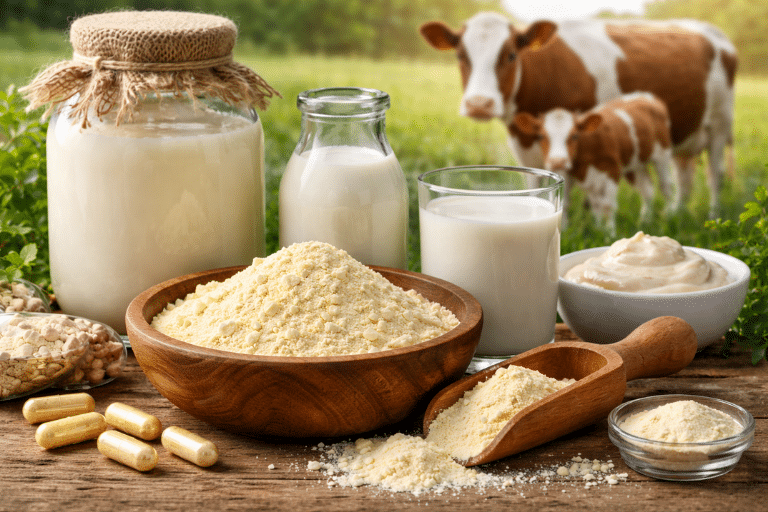
If you’re working to repair your gut, boost immunity, or speed up recovery, bovine colostrum might be the missing piece you haven’t tried yet. This first milk from cows is packed with bioactive compounds that can strengthen your intestinal barrier, support your immune system, and even influence muscle, bone, skin, and brain health. But how does it actually work in your body—and is it worth adding to your routine?
How Bovine Colostrum Heals and Seals Your Gut
While most gut supplements only mask symptoms, bovine colostrum actually helps rebuild the intestinal barrier from the inside out, tightening the junctions between epithelial cells, calming inflammation, and driving true mucosal repair.
It helps “seal” a leaky gut by tightening epithelial junctions, lowering stool zonulin, and reducing exercise- or NSAID-induced intestinal permeability and injury.
You also temper gut inflammation as colostrum’s immunoglobulins, lactoferrin, and TGF-β neutralize endotoxins and reduce circulating bacterial DNA, easing oxidative and inflammatory stress. In older adults and those under stress, this can translate into lower systemic inflammation and a reduced burden of illness.
At the same time, growth factors like IGF‑1 switch on a wound-healing program in your intestinal cells, boosting their proliferation and migration.
This supports healthier villi, improved barrier function in colitis and IBS-like states, less diarrhea, better nutrient absorption, and faster recovery from gut damage.
Bovine Colostrum for Stronger Immunity and Fewer Colds
As colostrum repairs the gut barrier—your first physical shield against pathogens—it also upgrades the rest of your immune system so you’re less likely to get sick in the first place.
You’re getting a dense package of antibodies (IgG, IgA, IgM) and bioactive proteins like lactoferrin that help neutralize viruses and bacteria before they take hold. Compared to regular cow’s milk, colostrum delivers a higher concentration of immune-supporting nutrients such as protein, magnesium, and B vitamins.
Studies show colostrum can raise salivary IgA by 33–79%, strengthening defenses along your airways and reducing upper respiratory infections, including common colds and flu-like illnesses.
Colostrum can boost salivary IgA by up to 79%, bolstering airway defenses and reducing respiratory infections
Hyperimmune colostrum has even cut traveler’s diarrhea risk by around 90% in some trials.
- Strengthens both innate and adaptive immunity
- Enhances antibody levels in saliva and mucosal surfaces
- Supports immune cells like NK cells and macrophages
- Helps older or stressed bodies maintain defenses
- Lowers overall infection frequency and severity
Muscle Recovery and Performance Benefits of Bovine Colostrum
Studies show low to moderate daily doses can reduce creatine kinase, curb exercise‑induced muscle damage, and lower post‑workout lactate so you bounce back faster.
Inflammation markers like CRP and specific plasma proteins resolve more quickly, letting you recover between intense sessions with less systemic stress.
You also feel the difference: users report up to 49% less post‑exercise soreness and fewer cramps, with faster return to training.
Colostrum’s growth factors and IGF‑1 support muscle protein synthesis, lean mass gains, and improved power and endurance recovery.
Bovine Colostrum for Bone Strength and Inflammation
Even though bovine colostrum is best known for gut and immune support, it’s quietly showing promise for your bones and inflammation, too.
Bovine colostrum may do more than soothe your gut—it could also quietly fortify bones and calm inflammation
In animal studies, it boosts bone mineral content, improves trabecular microstructure, and increases calcium and phosphorus in bone. It also raises bone-formation markers like osteocalcin and calcitonin while lowering parathyroid hormone, a pattern that typically favors stronger bones. In ovariectomized rats, for example, bovine colostrum increased cortical bone mineral content and improved bone strength compared with placebo.
Additionally, the presence of anti-inflammatory properties in bovine colostrum may further promote bone health by reducing systemic inflammation.
Early human data are mixed and still inconclusive, but researchers are intrigued, especially for postmenopausal bone loss and osteoporosis.
- Supports bone-building pathways (RANKL/RANK/OPG, VEGFA, FGF2).
- Enhances calcium absorption by upregulating CLDN2 and CLDN12.
- May increase bone rigidity and density over time.
- Shows anti-inflammatory effects in gut and muscles.
- Might reduce exercise-induced inflammation and related injuries.
Colostrum for Skin, Vaginal, and Cognitive Health
Colostrum doesn’t just act in your gut—it also shows targeted benefits for your skin, vaginal tissues, and brain. Its growth factors, including IGF-1 and EGF, stimulate fibroblast and keratinocyte activity, driving collagen production, faster renewal, and stronger barrier function. Drawing from sheep colostrum research, colostrum’s bioactive compounds can enhance fibroblast proliferation and wound closure, highlighting its potential as a topical skin-regenerating ingredient.
Liposomal colostrum helps protect skin cells from oxidative stress and telomere shortening, supporting firmness, elasticity, and smoother texture while moderating hyperpigmentation and hyperproliferative conditions.
For vaginal health, colostrum’s lactoferrin, antibodies, and cytokines support mucosal regeneration, lower IL-6–driven inflammation, and strengthen defenses against pathogens, indirectly improving microbiome balance.
Cognitively, colostrum’s high-quality protein, vitamins, nucleotides, and anti-inflammatory compounds help reduce neuroinflammation, promote cellular repair, and provide foundational support for neuronal function—benefits that may translate into sharper, more resilient brain performance.
Frequently Asked Questions
Is Bovine Colostrum Safe and Ethical for Long-Term Human Supplementation?
You can view bovine colostrum as short-term safe for most adults, but long-term safety’s unclear. You shouldn’t use it if pregnant, milk-allergic, or preterm. Ethically, you must verify calf-friendly sourcing, quality control, and discuss risks with your clinician.
Can People With Dairy Allergies or Lactose Intolerance Take Bovine Colostrum?
You can’t take bovine colostrum if you’ve got a cow’s milk allergy—it’s contraindicated and can trigger severe reactions. If you’re lactose intolerant, you might tolerate it, but you should start low and consult your doctor.
What Dosage and Form of Bovine Colostrum Are Best for General Wellness?
You’ll do best with powdered bovine colostrum, starting at 5–10 grams daily, split into two doses. Mix it in cool liquids, take it for 4–12 weeks, and follow your product’s specific concentration guidelines.
Are There Any Medications or Conditions That Interact Negatively With Bovine Colostrum?
Yes. You should avoid bovine colostrum with immunosuppressants, hormone‑sensitive cancers, cow’s‑milk allergy, or in preterm infants. Use caution with blood thinners, pregnancy, breastfeeding, and lactose intolerance. Always review it with your prescribing clinician first.
How Quickly Can I Expect to Notice Benefits From Bovine Colostrum Supplementation?
You’ll usually feel subtle changes in days to a couple weeks—often energy, digestion, or fewer gut upsets first. Most notice clearer, steadier benefits by four to six weeks of twice‑daily, consistent use, especially morning and bedtime.
Conclusion
Bovine colostrum gives you a powerful, natural way to heal your gut, strengthen your immune system, and feel more resilient day to day. By sealing your intestinal lining and calming inflammation, it helps you absorb more nutrients and bounce back faster. You’ll also support muscle recovery, protect your bones, and nourish your skin, vaginal, and cognitive health. If you’re seeking deeper, whole-body wellness, colostrum’s a smart, science-backed place to start.