7 Digestive Benefits of Cumin Seeds You Need to Try After Meals
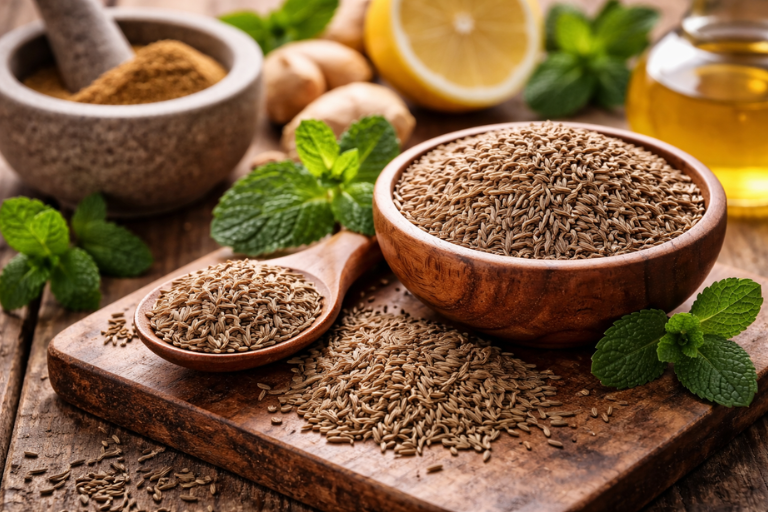
You might sprinkle cumin seeds on your meal for flavor, but they can quietly reshape how well your gut works after you eat. From easing gas and bloating to nudging your bowels into a more regular rhythm, cumin supports several key steps in digestion. It may even calm IBS-related discomfort and help your body break down nutrients more efficiently—yet most people use it only as a spice and miss out on its real value.
How to Use Cumin Seeds After Meals for Better Digestion
After you finish a meal, using cumin seeds in simple forms—like warm cumin tea, dry-roasted cumin powder, or spice blends—can actively boost your digestion by stimulating key enzymes that break down carbs, proteins, and fats. This natural support can also help reduce post-meal fatigue by improving how efficiently your body processes food.
Brew cumin tea by boiling 1 teaspoon of seeds in 1.5 cups of water for 5–10 minutes, then sip it warm after eating, especially at dinner.
Sip warm cumin tea after dinner—1 tsp seeds simmered in 1.5 cups water for 5–10 minutes.
You can also dry-roast cumin seeds, grind them, and add a pinch to yogurt, buttermilk, soups, or salads. This activates thymol, which stimulates digestive acids, bile, and pancreatic enzymes like amylase, protease, and lipase, improving nutrient absorption.
For extra support, combine cumin with fennel, ajwain, or coriander in spice blends and stir into warm broths.
Cumin Seeds for Bloating and Gas Relief
Beyond helping you digest a heavy meal more efficiently, cumin seeds also target one of the most uncomfortable side effects of poor digestion: bloating and gas. Their essential oils stimulate digestive secretions, strengthen peristalsis, and help you pass trapped gas more easily. As a carminative herb, cumin relaxes spasming digestive muscles and calms abdominal cramping, offering relief comparable to some antispasmodic drugs.
Clinical trials also suggest that cumin can improve glycemic control and support healthier metabolic function in people with type 2 diabetes. Moreover, cumin’s antioxidant properties also contribute to digestive health by protecting the gut lining. Cumin also boosts digestive enzyme activity and bile flow, so you break down food faster and reduce the chance of it fermenting and producing excess gas.
Human studies show cumin reduces bloating, abdominal distension, and pain, and it’s even helped post-surgical patients pass gas and stool sooner. At the same time, its anti-inflammatory, antioxidant actions protect and restore your gut lining.
How Cumin Extract Helps IBS Digestion
While bloating and gas are common in many gut issues, people with irritable bowel syndrome (IBS) often face a wider range of stubborn symptoms that cumin extract can help ease.
In one study, patients stopped other treatments and took 20 drops of cumin essential oil daily. Within two weeks, overall IBS discomfort dropped, and relief grew even stronger by week four. Cumin extract also showed benefits across different IBS types, including those with constipation-dominant patterns. Adding increased fiber intake to your diet can further enhance digestive health.
You’d likely notice less abdominal pain, nausea, and painful defecation, along with reduced mucus in the stool, incomplete evacuation, and fecal urgency.
These benefits stem from cumin’s ability to boost digestive enzymes, increase bile for better fat breakdown, calm gas, and ease gut inflammation.
Symptoms tended to return after stopping, but stayed milder than before starting cumin.
Cumin for Bowel Motility and Regularity
Although most people think of cumin as a simple spice, it also acts directly on how your bowels move and how often you go. Research on cumin extract shows it can stimulate peristalsis, help your stomach and intestines empty, and even restart sluggish bowels after abdominal surgery without reported toxicity.
In clinical research, cumin extract significantly shortened the time to first gas passage and defecation after abdominal surgery, suggesting a real-world boost in bowel motility. Additionally, incorporating antioxidant-rich foods into your diet can further support overall digestive health.
If you struggle with irregularity, IBS, or loose stools, cumin may help smooth things out in both directions—supporting better form, frequency, and comfort.
- Eases IBS symptoms like pain, bloating, and incomplete evacuation
- Improves stool consistency and frequency in constipation‑dominant IBS
- Lowers fecal urgency and mucus discharge
- Shows antidiarrheal effects by reducing excess intestinal contractions
- Offers motility support, though long‑term heavy use has rare impaction reports
How Cumin Boosts Your Digestive Enzymes
Even as a small pinch in a recipe, cumin can switch on some of your most important digestive machinery—your enzymes. Compounds like thymol and cuminaldehyde signal your pancreas and gut glands to release key enzymes, including amylase, proteases like trypsin and chymotrypsin, and fat-digesting lipase.
Animal and lab studies show cumin can raise these enzyme levels and sharpen their activity, so you break down carbs, proteins, and fats more efficiently. In human studies, concentrated cumin has also been shown to significantly ease IBS symptoms within just a couple of weeks.
At the same time, cumin encourages bile release from your liver, which further helps you digest fats and absorb fat-soluble nutrients.
Traditionally, Ayurveda’s “digestive fire” idea aligns with these findings: by stimulating enzymes, cumin can ease bloating, support smoother digestion, and help you get more from every meal.
Cumin’s Anti-Inflammatory Effects on the Gut
Beyond boosting digestive enzymes, cumin also helps calm inflammation in your gut, which can ease symptoms like pain, bloating, and irregular bowel movements. Its compounds act on key inflammatory pathways, so your digestive tract faces less irritation and strain.
Studies on cumin essential oil show it can significantly inhibit gut-related inflammatory enzymes like iNOS and COX-2, which are responsible for producing mediators that drive intestinal inflammation.
Research shows cumin can:
- Inhibit NF-κB, a major “switch” for inflammation, lowering pro-inflammatory cytokines like TNF-α.
- Suppress MAPK signals (JNK, ERK, and slightly p38), which further dials down inflammatory responses in gut-related immune cells.
- Reduce nitric oxide and other mediators that aggravate sensitive intestines.
- Ease IBS symptoms, including abdominal pain, gas, incomplete evacuation, urgency, and mucus in stool.
- Support antioxidant defenses and immune modulation in gut cells, helping protect your intestinal lining from ongoing inflammatory damage.
Everyday Ways to Add Cumin for Digestive Support
Cumin doesn’t just work in lab studies—it’s easy to use it in simple, everyday ways that support your digestion. You can boil the seeds for 5–10 minutes to make a warm post-meal tea that boosts digestive enzymes, cuts bloating, and shortens transit time. In one clinical trial, patients using cumin extract reported notable improvements in IBS symptoms such as pain, bloating, and stool consistency.
Add lemon to increase bile flow and help break down fats.
If you prefer something quicker, chew ½ teaspoon of raw seeds after eating to ease IBS pain, gas, and diarrhea. You can also stir a teaspoon of cumin powder into yogurt to calm urgency, mucus, and support healthier fats and bacteria.
Another option: sip overnight cumin-soaked water or sprinkle roasted cumin over finished dishes to reduce distention, diarrhea, and flatulence.
Frequently Asked Questions
Are There Any Side Effects or People Who Should Avoid Cumin Seeds?
Yes. You can experience heartburn, belching, reflux, low blood sugar, bleeding issues, allergies, or liver strain. You shouldn’t use high doses if pregnant, breastfeeding, bleeding, diabetic on medication, or before surgery; ask your doctor.
Can Cumin Seeds Interact With Prescription Medications or Supplements?
Yes, cumin seeds can interact with medications and supplements. You should use caution with diabetes drugs, blood thinners, rifampin, and before surgery. Always tell your healthcare provider you’re using cumin, especially in concentrated or supplemental forms.
What’s the Difference Between Whole Cumin Seeds, Ground Cumin, and Cumin Extract?
You’re comparing form and concentration: whole seeds flavor slowly and add crunch, ground cumin disperses quickly for stronger taste, and cumin extract delivers isolated, highly concentrated compounds, mainly used in supplements, research, or standardized herbal formulas.
Is It Safe to Use Cumin Seeds Daily and for How Long?
Yes, you can safely use cumin seeds daily in food long term. If you take medicinal amounts or supplements for specific benefits, you’d usually limit them to about 6 months and check with your doctor.
Can Pregnant or Breastfeeding Women Use Cumin Seeds for Digestion?
You can use small culinary amounts of cumin in food, but don’t take cumin tea, extracts, or large “medicinal” doses when pregnant or breastfeeding. Because of possible uterine effects, always ask your obstetric provider first.
Conclusion
When you sprinkle cumin seeds into your daily routine, you’re giving your digestion simple, natural support. They help ease bloating, calm IBS symptoms, boost digestive enzymes, and keep your bowels moving regularly. Their gentle anti-inflammatory effects also support a healthier gut over time. Start small—add them to warm water, curries, rice, or roasted veggies after meals—and notice how much lighter, more comfortable, and satisfied you feel.