Black Coffee for Weight Loss: 5 Ways Caffeine Boosts Metabolism Without the Sugar
You want fat loss without gimmicks, and black coffee can help. Caffeine nudges your resting metabolic rate, supports fat burning during workouts, and slightly bumps the calories you burn digesting meals. It may also take the edge off hunger, especially when you’re staying in a calorie deficit. Skip the sugar to avoid undoing the benefits—and know when to stop so sleep and stress don’t backfire. Here’s what the science says—and who gains the most.
Coffee and Resting Metabolic Rate: How Much It Helps
Even a single cup of black coffee can nudge your resting metabolic rate upward for a few hours, but the boost is modest. A 10-ounce cup can raise RMR about 7–11% for 1–3 hours in healthy men, translating to roughly 9–16 extra calories. Incorporating antioxidant-rich foods can further enhance your metabolism and overall health. Women sometimes see larger spikes, with reports up to 24% after similar coffee. A single 100 mg caffeine dose increases RMR about 3–4% over 150 minutes, with statistically significant effects and improved diet-induced thermogenesis in postobese subjects.
If you dose repeatedly, the totals add up. Taking 100 mg every two hours across 12 hours can elevate daily energy expenditure 8–11%—about 150 kcal in lean people and 79 kcal in postobese. Effects peak 30–150 minutes post-ingestion and don’t persist overnight. Caffeine promotes thermogenesis, which can aid energy expenditure and has potential application in weight management.
Caffeine and Fat Burning: Who Benefits Most
Curious who actually burns more fat with caffeine? You’ll see the biggest bump during low to moderate aerobic exercise, where caffeine boosts fat oxidation by about 0.08–0.20 g per minute.
The effect plateaus between 3–6 mg per kilogram of body mass and works by activating your sympathetic nervous system to release fatty acids. A bibliometric analysis shows growing scientific interest in caffeine’s role in fat oxidation over the past few decades. Additionally, incorporating ginger’s antioxidant properties can further enhance metabolic health and support weight management.
Men and women benefit equally. Meta-analyses show similar fat oxidation and lipolysis across sexes at the same doses.
If you’re overweight, you may gain more from daily intake. Four cups a day has produced around 3–4% body fat reductions and better insulin sensitivity.
Doubling caffeine intake correlates with 22% more weight loss and 28% greater fat mass reduction.
Even one cup can activate brown fat and add modest daily calorie burn.
Coffee With Meals: Small Thermic Boost
Beyond exercise, your cup of coffee can nudge metabolism upward during a meal. When you drink caffeinated coffee with food, you get a small thermic boost—your body burns a few extra calories processing that meal.
In a controlled trial using about 4 mg/kg caffeine, a 3080 kJ meal produced a considerably greater thermic effect and higher fat oxidation with coffee than with decaf, measured over three hours. In obese subjects, coffee increased metabolic rate but did not significantly change fat oxidation.
Here’s why it helps: caffeine amplifies the thermic effect of food, raising energy expenditure during digestion, absorption, and storage. It can lift metabolic rate 3–4% for hours and tends to show stronger fat‑oxidation responses in lean individuals compared with obese subjects. Pairing coffee with high-protein meals can further enhance this effect, making it even more beneficial for weight management.
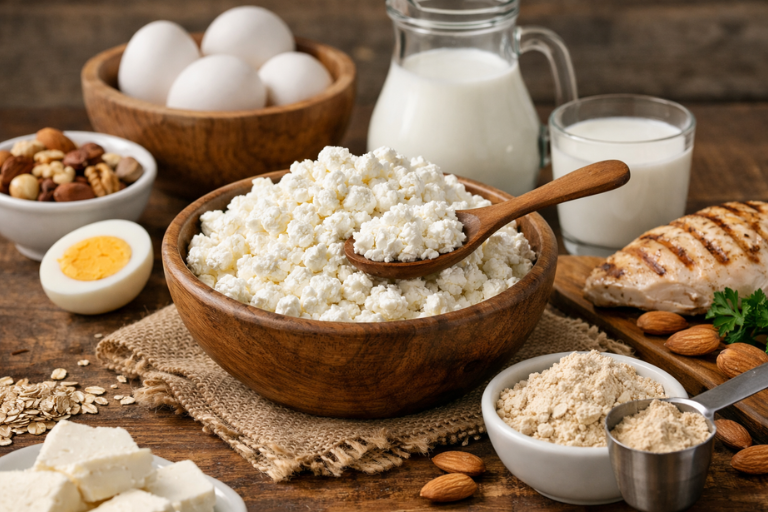
Pair coffee with protein‑rich meals to compound TEF, and keep it black to avoid offsetting the modest benefit.
Coffee and Appetite: Brief, Modest Effects
While black coffee can blunt hunger, the effect is modest and short-lived. You’ll notice the biggest dip in appetite 30 minutes to 3 hours after drinking it, with a peak around 180 minutes, then it fades by 3–4 hours.
Coffee nudges hormones: ghrelin drops, CCK rises, and chlorogenic acids likely contribute. These effects show up most in people with overweight or obesity; normal-weight individuals often feel little change.
It’s not just caffeine. Decaf reduces appetite less than caffeinated coffee, yet caffeine alone doesn’t reliably suppress hunger and may spark sugar cravings. Evidence is mixed on caffeine and coffee’s effects on gastric emptying, and individual responses can vary.
The mix of compounds seems to matter. Dose and context matter too: about 3–6 mg/kg caffeinated coffee can lower desire to eat, and in some studies, reduced intake considerably—though designs vary and results aren’t universal.
Black Coffee: Avoid Hidden Calories and Overdoing It
Even when you’re chasing a calorie deficit, black coffee makes it easy: it’s fundamentally zero-calorie—about 2 calories per 8 ounces—until add-ins creep in. Brewed hot, iced, or espresso, you’re still near 2–5 calories because it’s almost all water with trace solids. Black coffee also contains powerful antioxidants, particularly chlorogenic acid, which support overall health while keeping calories minimal.
The trouble starts with “just a splash”: 1 tablespoon whole milk adds 9 calories, skim 7, creamer 32, cream 52, and half-and-half plus 1 teaspoon sugar 38. One tablespoon cream with 1 teaspoon sugar jumps 70 calories.
Specialty drinks spike higher: nonfat latte 72 per 8 ounces, flavored latte 134, mochas and blended drinks 200–500, bulletproof about 325.
Measure everything, skip autopours, and consider unsweetened almond milk (3 calories).
Keep caffeine moderate; its 5–6‑hour half-life can disrupt sleep and stall weight loss.
Frequently Asked Questions
What Time of Day Is Best to Drink Black Coffee for Weight Goals?
Late morning works best: drink it 60–90 minutes after waking, between 9:30–11 AM. For workouts, sip 30–60 minutes prior. Try 30 minutes before meals to curb appetite. Avoid after 4 PM to protect sleep and progress.
Does Switching From Energy Drinks to Black Coffee Aid Weight Control?
Yes. You’ll likely control weight better by swapping energy drinks for black coffee. You cut added sugars and excess calories, avoid crashes, get steadier caffeine, support thermogenesis and fat oxidation, and skip artificial sweeteners’ potential downsides. Keep servings moderate.
How Does Caffeine Tolerance Affect Long-Term Weight-Related Benefits?
It blunts long‑term benefits. You quickly develop tolerance, so fat oxidation, thermogenesis, appetite suppression, and wakefulness fade. You’ll need higher doses for the same effect, see plateaus, and risk stress‑related downsides. Cycle intake to preserve modest, residual effects.
Are There Safer Caffeine Alternatives for Caffeine-Sensitive Individuals?
Yes. You can try green tea extract (EGCG) for mild thermogenesis, capsaicin for fat oxidation, and L-carnitine for exercise-driven fat use. Choose caffeine-free drinks like golden milk, fruit smoothies, maca, or ginseng. Monitor tolerance and medications.
Can Decaf Coffee Still Support Weight Management in Any Way?
Yes. You can use decaf to aid weight management: it modestly boosts thermogenesis, supports blood sugar, reduces stress and sleep disruption, replaces higher-calorie drinks, hydrates, and helps routine adherence—though effects are small and won’t produce major weight loss.
Conclusion
Black coffee can be a smart, simple ally in your weight-loss plan. You’ll nudge up your resting metabolic rate, burn a bit more fat during workouts, and get a small thermic boost from meals. Plus, caffeine may briefly curb appetite. Just keep it black to avoid hidden calories, time it to prevent sleep issues, and don’t overdo it. Pair your coffee habit with protein-rich meals, strength training, daily steps, and solid sleep to make your results stick.