10 Science-Backed Benefits of Eating One Avocado a Day for Your Heart and Gut
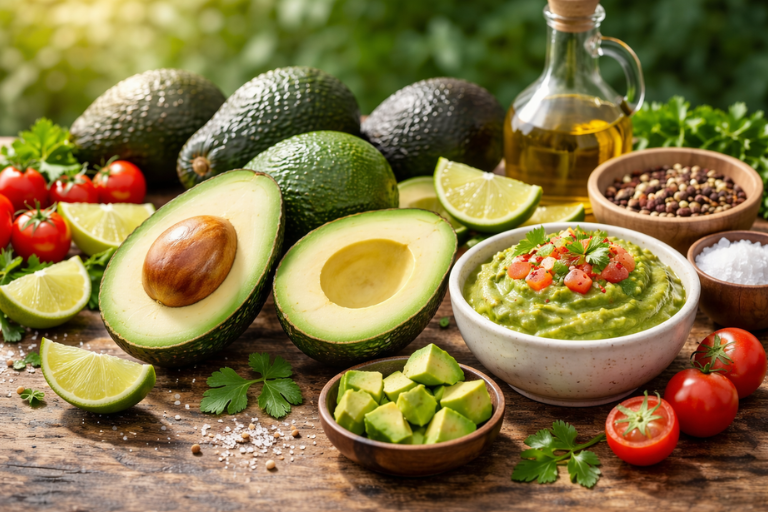
You can get surprising heart and gut perks from one simple habit: eating an avocado a day. It helps lower LDL and oxidized LDL, nudges HDL up, and swaps in heart-friendly fats that support blood pressure. You’ll also feed fiber-loving microbes, boost short-chain fatty acids, and feel fuller longer—useful for managing waist size. Plus, you’ll pick up potassium, antioxidants, and key vitamins. Curious how to make it work daily without extra calories?
Why an Avocado a Day Improves Overall Diet Quality
Even without changing how much you eat, adding one avocado a day can measurably upgrade your diet quality. In a 26-week randomized trial of 1,008 adults with abdominal obesity, you’d boost your Healthy Eating Index-2015 by about 4.74 points versus a habitual diet.
Add one avocado a day to boost Healthy Eating Index by about 4.74 points.
Researchers used repeated 24-hour recalls and mixed models, showing greater adherence to the Dietary Guidelines for Americans. Incorporating avocados can also enhance the intake of immune-boosting foods, which contribute to overall health and well-being.
You’d also raise your vegetable score by roughly 0.99 points because avocados count as vegetables and help you swap out refined grains and salty options.
That simple substitution lowers sodium and refined grain intake while lifting overall vegetable adherence. This study, led by Penn State researchers and published in Current Developments in Nutrition, linked daily avocado intake to improved overall diet quality.
Avocados’ unsaturated fats improve the fatty acid ratio component by about 2.25 points, reflecting healthier fat choices.
Observational data echo this pattern, with avocado eaters scoring 6.3–9.3 HEI points higher.
Avocado Lowers LDL and Oxidized LDL Cholesterol
Upgrading diet quality with a daily avocado doesn’t just check more guideline boxes—it measurably improves your cholesterol profile.
In randomized feeding trials, eating one avocado a day lowered LDL and, importantly, oxidized LDL—the artery-injuring form that accelerates plaque. After five weeks, participants saw appreciably less oxidized LDL than on low- or moderate-fat controls, with the steepest drop in small, dense LDL particles, the most atherogenic subtype. Avocados are considered a gift of nature for cardiovascular health, making them an excellent addition to your diet.
You benefit because avocados deliver MUFAs that displace saturated fat and pack bioactives—fiber, phytosterols, polyphenols, and lutein.
Lutein levels rise in your blood and help shield LDL from oxidation. Across studies, daily avocado intake cut LDL by about 2.5–13.5 mg/dL, with meta-analyses showing LDL-C reductions around 6.16 mg/dL and total cholesterol down roughly 6.97 mg/dL, especially with longer use and higher intakes.
In a randomized, controlled feeding study from Penn State, participants eating one avocado daily had significantly lower oxidized LDL and fewer small, dense LDL particles after five weeks.
Avocado Raises HDL for Added Heart Protection
While avocados are celebrated for lowering LDL, they also nudge HDL—the “good” cholesterol—up for extra cardiovascular protection. Across seven studies, avocado intake raised HDL by about 2.84 mg/dL, and this benefit held up in sensitivity and subgroup analyses despite varied designs and populations. That matters because HDL helps clear excess cholesterol from your bloodstream, shuttling it to the liver and slowing plaque buildup. Substituting avocado for saturated fat sources reduces TC, LDL-C, and TG without adversely affecting HDL levels.
Additionally, incorporating omega-3s from fatty fish along with avocados can further enhance heart health by lowering inflammation and stabilizing heart rhythm. You’re not just getting MUFAs; avocado’s lutein, phytosterols, and fiber work together to support healthier cholesterol dynamics. Lutein may shield LDL from oxidation, while phytosterols aid cholesterol management independent of calories.
One Hass avocado a day within a moderate-fat, heart-healthy pattern appears ideal, with trials using half to 1.5 avocados still showing gains. Higher HDL, better total-to-HDL ratios, and reduced CVD risk follow.
Replacing Saturated Fats With Avocado Cuts CVD Risk
Because what you swap matters as much as what you add, replacing animal-based saturated fats with avocado delivers clear cardiovascular gains.
When you trade half a serving a day of butter, margarine, mayonnaise, cheese, yogurt, eggs, or processed meats for avocado, you cut cardiovascular disease events by about 16–22% and coronary heart disease by roughly 19–31%.
The 2022 prospective study of 100,000+ people over 30 years backs this up: at least two avocado servings weekly linked to a 16% lower CVD risk and 21% lower CHD risk. Notably, the study found no significant stroke association with avocado intake overall.
You get these benefits independent of calories because avocado’s oleic acid and other unsaturated fats counter saturated fat’s effects, improving lipids and inflammation.
Prioritize swaps from animal fats; replacing plant oils or nuts doesn’t add benefit.
Avocado’s Potassium Supports Healthy Blood Pressure
Even a small avocado habit can nudge your blood pressure in the right direction.
Half an avocado gives you about 360 mg of potassium—roughly 10% of your daily need—matching a banana and edging out broccoli. Potassium helps your cells balance fluid, supports smooth heart muscle contraction, and stabilizes electrical signals for a steady heartbeat. It also counters sodium, so you’re better protected when your salt intake creeps up.
Studies back this up: diets including avocado lowered systolic and diastolic blood pressure more than low-fat plans, and women eating 2.5 or more avocados weekly had less hypertension. Avocado-rich diets are also linked to lower LDL and total cholesterol, which further supports heart health.
Avocado oil even dropped blood pressure in hypertensive rats. Plus, avocados bring magnesium, monounsaturated fats, and phytosterols—nutrients that align with DASH and Mediterranean patterns tied to lower cardiovascular risk.
Avocado Fiber Improves Cholesterol and Regularity
Potassium isn’t avocado’s only heart-friendly edge—you also get viscous, prebiotic fiber that helps clean up your blood lipids and keep you regular.
One avocado a day in randomized feeding trials lowered LDL by about 13.5 mg/dL versus a baseline American diet, outperforming both a low-fat plan (7.4 mg/dL) and a similar moderate-fat diet without avocado (8.3 mg/dL). In the same study, Hass avocados provided monounsaturated fats that support heart-healthy cholesterol profiles.
You also cut the most atherogenic particles—small, dense LDL—and reduce their oxidized forms, which drive plaque formation. Higher lutein from avocados may shield LDL from oxidation, amplifying heart benefits.
That same fiber helps you stay regular. It forms a gel-like matrix that adds softness and bulk to stools, supports consistent bowel movements, and eases transit—without spiking triglycerides or altering HDL in pooled trials.
Daily Avocado Boosts Gut Microbiome Diversity and SCFAs
While you might think of avocado as just a creamy add-on, a daily serving reshapes your gut ecosystem in measurable ways. Studies lasting 12–26 weeks show that eating one avocado a day increases alpha diversity in your gut microbiota—even without calorie cuts or special counseling—and the effect’s strongest if your overall diet quality is low.
You also enrich fiber-fermenters. Abundances of Faecalibacterium, Lachnospira, Alistipes, and especially Faecalibacterium prausnitzii rise, with enrichment rates of 26% to 65% versus controls. These microbes turn avocado’s prebiotic fiber—about 3 grams per 50 grams—into short-chain fatty acids. The study was conducted as an ancillary study of the HAT randomized controlled trial, focusing on adults with abdominal obesity and changes in gut microbiota.
That fermentation pays off: fecal acetate increases by about 18%, alongside broader boosts in butyrate and propionate, metabolites tied to healthier inflammatory and metabolic markers.
Meanwhile, harmful bile acids drop sharply, signaling improved digestive physiology.
Avocado Helps You Feel Full and Manage Waist Size
Because avocado pairs filling fats with hefty fiber, it helps you stay satisfied longer and curb inches around your waist. A medium Hass avocado delivers about 13.3 grams of monounsaturated fat and 10 grams of fiber—nutrients that slow gastric emptying, steady glucose and insulin, and nudge satiety hormones like PYY to quiet hunger.
You’ll feel the difference. In a randomized crossover trial with overweight adults, adding half or a whole avocado to a bagel meal boosted fullness and satisfaction for six hours and cut hunger versus a high‑carb control.
In a 12‑week calorie‑reduced diet, daily avocado maintained satiety while control participants’ satiety declined. The study was conducted by the Center for Nutrition Research at the Illinois Institute of Technology and funded by the Hass Avocado Board.
Pilot and breakfast studies echo this: half an avocado at meals reduced desire to eat for hours without raising blood sugar, supporting fewer snacks and steadier weight control.
Heart-Smart Antioxidants, Vitamins, and Minerals in Avocado
Feeling satisfied is just the start—avocado also brings heart-smart nutrients that work on your blood lipids and vascular health. You get 5 grams of monounsaturated fat per serving, rich in oleic acid, which helps lower LDL cholesterol—especially the small, dense particles linked to plaque. Avocados are featured prominently in heart-healthy diets, offering benefits comparable to olive oil and nuts in the Mediterranean pattern.
Studies show one avocado a day reduces oxidized LDL within 4–5 weeks and improves non-HDL-C without raising triglycerides. Antioxidants add another layer of protection. Avocado boosts lutein and curbs LDL oxidation, a pathway behind arterial buildup—similar to benefits seen with olive oil and nuts.
Fiber matters too: 3 grams per serving, with soluble fiber that blocks cholesterol absorption. Potassium supports healthy blood pressure and endothelial function, enhancing peripheral blood flow. Together, these nutrients align with Mediterranean-style prevention and lower cardiovascular risk.
Easy, Low-Calorie Ways to Add Avocado Every Day
Even on your busiest days, you can slip avocado into meals that stay light on calories and big on flavor.
Blend an avocado and strawberry smoothie for a calcium-rich, low-calorie breakfast, or try a tofu-vegetable avocado scramble for vegan protein. Prefer something sweet? Layer a tropical avocado parfait, or keep it savory with open ricotta avocado toast and a poached egg at 289 calories. For even more variety, try linguine with avocado, tomato and lime, a low-calorie vegan option that can be served cold as a pasta salad and even counts toward 5-a-day.
Snack smart: cucumber cups with avocado clock in at 100 calories, baked avocado fries hit 199, and creamy avocado yogurt dip with veggie skewers lands at 157.
For crunch, spoon tomato salsa with avocado over crisp lettuce.
At lunch or dinner, rotate cod with cucumber–avocado–mango salsa, mango–black bean avocado salad, or quinoa-stuffed grilled avocados—fiber-rich, low-sodium, and satisfying.
Frequently Asked Questions
Are There Any Medications That Interact With Daily Avocado Consumption?
Yes. If you take ACE inhibitors or ARBs, avocados’ high potassium can raise levels and trigger arrhythmias or weakness. With multiple blood pressure meds or kidney disease, limit avocados; avoid potassium salt substitutes. Always ask your prescriber.
How Should Avocados Be Stored to Maximize Nutrient Retention?
Store firm avocados at room temperature, away from heat and sunlight. Refrigerate ripe, uncut ones. For cut pieces, lemon juice, tight wrap, and airtight containers reduce oxidation. Freeze mashed with lemon for longest retention; thaw slowly in the fridge.
Can People With Latex-Fruit Syndrome Safely Eat Avocados?
No, you generally shouldn’t. With latex-fruit syndrome, avocado often cross-reacts and can trigger itching, hives, or anaphylaxis. If you’re considering it, consult an allergist, consider supervised testing, and note cooking may reduce—but not eliminate—risk.
Does Avocado Oil Provide the Same Heart and Gut Benefits?
No. You’ll get heart-friendly monounsaturated fats and antioxidants, which can lower LDL and aid vitamin absorption, but you’ll miss fiber, minerals, and prebiotic effects. Use avocado oil moderately; keep whole avocados for broader heart–gut benefits.
What Serving Size Counts as “One Avocado” Across Different Varieties?
One avocado generally means one medium Hass. You can count 4–6 oz Hass, 8–10 oz large as 1, or use 1/3 medium per serving. For Florida/slimcados, treat ~10 oz (300 g) as one; minis equal one serving.
Conclusion
You’ve got strong reasons to make an avocado your daily staple. By swapping it in for saturated fats, you’ll lower LDL and oxidized LDL, boost HDL, and support healthy blood pressure with potassium. You’ll also feed beneficial gut microbes, increase SCFAs, improve digestion, and feel fuller longer—helping weight and waist management. Plus, you’ll get heart-smart antioxidants, vitamins, and minerals. Keep it simple: add slices to toast, salads, bowls, or smoothies. Your heart and gut will thank you.