12 Nettle Tea Benefits for Inflammation, Allergies & Detox
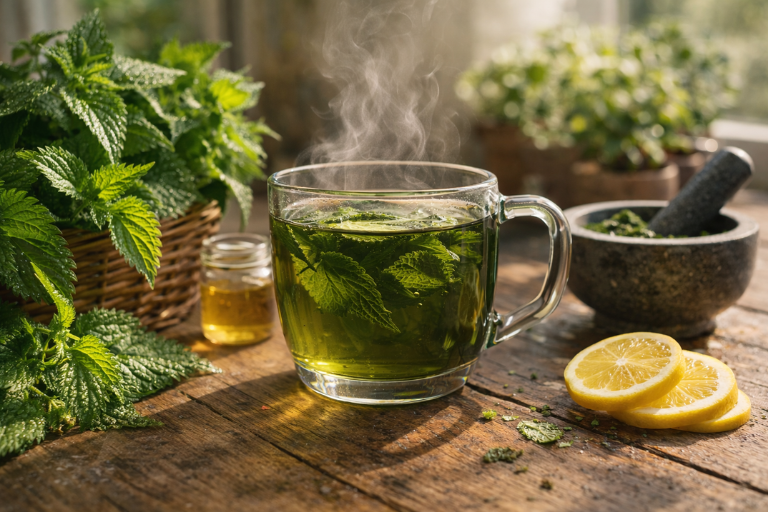
You’re curious about nettle tea, and for good reason. This mineral-rich brew may calm inflammation, ease seasonal allergies without drowsiness, and support gentle detox through the liver and gut. You’ll also hear how it may aid joints, skin, hair, nails, immunity, circulation, and even blood pressure—plus how to brew it right and use it safely. Before you put the kettle on, there are a few smart steps you’ll want to take first…
Safety, Dosage, and Interactions
While nettle tea is generally well tolerated, you should still treat it like a bioactive herbal drink. Start low: 1 cup daily for a few days, then increase to 2–3 cups if you feel fine. Don’t exceed short-term use without guidance.
Start low with nettle tea: 1 cup daily, then 2–3 if tolerated. Use short term unless guided.
If you’re pregnant, have kidney issues, low blood pressure, or diabetes, talk to your clinician first. Nettle may interact with diuretics, ACE inhibitors, ARBs, lithium, NSAIDs, anticoagulants, and blood sugar medications, potentially amplifying effects.
Watch for allergic reactions, stomach upset, or fluid shifts. Stop if you feel dizzy or itchy.
Choose clean, reputable sources, and log any responses or medication changes.
How to Brew Nettle Tea for Best Results
You’ll get the best cup by using hot—but not boiling—water to protect delicate compounds.
Steep the nettle leaves for a precise window to balance flavor and potency.
Measure your dose consistently so you can fine-tune strength without bitterness.
Optimal Water Temperature
Two variables decide nettle tea’s flavor and potency: water temperature and steep time.
Focus first on temperature. For dried nettle leaves, aim for 190–205°F (88–96°C). This near-boiling range extracts minerals and aromatic compounds without pushing harsh, swampy notes. If your kettle lacks settings, bring water to a boil, then let it sit 30–60 seconds.
Use cooler water for delicate flavor: 175–185°F (80–85°C) softens grassy edges and preserves sweetness.
Fresh nettle benefits from hotter water—closer to 205°F—to release nutrients and tame green bitterness. Always pre-warm your teapot or mug; it stabilizes brew temperature and keeps extraction consistent.
Steeping Time & Dosage
With temperature set, timing and leaf quantity finish the job.
For dried nettle leaves, use 1–2 teaspoons per 8 ounces of water; for a stronger therapeutic cup, use 1 tablespoon. Steep 5–7 minutes for a light, grassy brew; 10–15 minutes for deeper minerals and fuller body. Cover your cup while steeping to trap volatile compounds.
For daily wellness, drink 1–3 cups. For seasonal allergies or inflammation, try 2–3 cups spread through the day. If you’re sensitive, start with 1 cup.
For iced infusions, steep 15 minutes, then chill. Avoid during pregnancy without provider approval. Stop if you notice tingling or stomach upset.
Nettle Tea for Inflammation Relief
You’ll appreciate how nettle tea’s anti-inflammatory compounds may help calm your body’s overactive responses.
If you struggle with stiffness, you can use it to support joint comfort alongside your routine care.
Let’s look at how these plant compounds work and what that could mean for everyday aches.
Anti-Inflammatory Compounds
Although it’s best known as a sting-inducing weed, nettle shines for its potent anti-inflammatory profile.
You get a botanical blend of bioactives that can help calm overactive pathways linked to swelling and irritation. By targeting key mediators, nettle tea supports a more balanced inflammatory response without harshness.
1) Polyphenols: Quercetin and kaempferol act as antioxidants, tempering NF-κB signaling and oxidative stress.
2) Lignans: These plant compounds may modulate enzymes that drive inflammatory cascades.
3) Phenolic acids: Caffeic and chlorogenic acids help scavenge free radicals, easing cellular strain.
4) Lectins and polysaccharides: They appear to influence cytokine activity, promoting steadier immune balance.
For broader lifestyle support, pairing nettle tea with regular anti-inflammatory diet choices and consistent exercise can further help reduce pro-inflammatory cytokines and support immune balance.
Joint Pain Support
Even as aches flare, a warm cup of nettle tea can take the edge off joint discomfort by dialing down inflammatory signals. You’ll tap gentle anti-inflammatory effects that may ease stiffness and improve range of motion.
Drink it consistently to support joints under daily strain or exercise recovery. Nettle’s minerals—magnesium, calcium, potassium—help muscle relaxation and fluid balance, reducing tension around sore joints.
Its antioxidants may calm oxidative stress that aggravates pain. Start with one to two cups daily, and monitor how you feel. Incorporating more antioxidant-rich foods like berries and leafy greens alongside nettle tea can further help reduce inflammation.
If you use blood thinners, diuretics, or have kidney concerns, check with your clinician first. Pair tea with movement, hydration, and balanced nutrition.
Nettle Tea for Seasonal Allergy Support
While spring blooms can trigger sneezes and itchy eyes, nettle tea may offer gentle relief by supporting your body’s histamine response. You can sip it during allergy season to help calm sniffles, watery eyes, and mild congestion.
Its natural compounds may modulate inflammatory pathways, helping you feel clearer and more comfortable without grogginess. Choose organic, brew covered for 10 minutes, and drink consistently for best results. Regular nasal irrigation can further reduce allergen load and symptom severity when used alongside nettle tea.
1) Start with 1 cup daily; increase to 2–3 cups if tolerated.
2) Pair with local honey or lemon for flavor and synergy.
3) Track symptoms to gauge benefits.
4) Consult your clinician if you take antihistamines or blood thinners.
Nettle Tea for Joint Comfort and Mobility
You might reach for nettle tea to support joint comfort thanks to its natural anti-inflammatory compounds.
By helping calm swelling and stiffness, it can make daily movement feel easier.
You’ll also support cartilage and overall joint health, which may help you stay active longer.
Anti-Inflammatory Support
Although it’s best known as a nutritive herb, nettle tea also offers notable anti-inflammatory support that can ease stiff, achy joints and enhance mobility.
Its polyphenols and minerals help modulate inflammatory pathways, so you feel more limber in daily movement. You can drink it alone or blend it with ginger or turmeric for extra comfort.
- Sip 1–3 cups daily; consistency matters for noticeable relief.
- Choose well-dried leaf; steep 10–15 minutes for a stronger extract.
- Pair with hydration, light stretching, and balanced meals.
- Check with your clinician if you take diuretics, blood thinners, or have kidney issues.
Cartilage and Joint Health
Even as stiffness ebbs, joint comfort depends on protecting cartilage—the slick tissue that cushions bone ends and absorbs shock. You can support it by sipping nettle tea, which offers minerals like silica, magnesium, and calcium that help maintain connective tissue integrity.
Its polyphenols and flavonoids counter oxidative stress that degrades cartilage, while mild anti-inflammatory actions may ease swelling that strains joints.
Drink 1–2 cups daily, and pair it with protein, vitamin C, and movement to nourish collagen. Stay hydrated; cartilage relies on fluid.
If you take diuretics, blood thinners, or have kidney issues, consult your clinician before making nettle a habit.
Liver Support: How Nettle Tea May Aid Detoxification Pathways
While detox isn’t a single “cleanse,” your liver runs continuous, enzyme-driven pathways that neutralize and clear toxins—and nettle tea may support those processes.
You’ll find polyphenols and minerals that may bolster antioxidant defenses, help quench free radicals, and back phase I and II detox enzymes. It won’t replace medical care, but it can complement daily habits that protect liver function.
1) Brew 1–2 cups daily; start mild and assess how you feel.
2) Pair with protein-rich meals to supply amino acids for conjugation.
3) Stay hydrated to support clearance via bile and urine.
4) Check medications; nettle may alter fluid balance.
Nettle Tea for Healthy Digestion and Gut Balance
Because your gut thrives on gentle, consistent support, nettle tea can be a simple ally for digestion and microbial balance.
Its mild bitters may nudge stomach acid and bile, helping you break down meals more comfortably. Nettle’s minerals, especially magnesium and potassium, support smooth muscle function, easing occasional bloating and cramping.
You’ll also get soothing polyphenols that may calm gut lining irritation and create a friendlier environment for beneficial microbes.
Drink a warm cup after meals or steep it longer for a stronger brew. Start with one cup daily, then adjust.
If you’re pregnant, on diuretics, or allergic, consult your clinician.
Nettle Tea for Blood Sugar Support
Though it’s no magic fix, nettle tea may gently support healthy blood sugar by improving insulin sensitivity and moderating post‑meal spikes.
You can pair it with balanced meals and movement to help stabilize energy and curb cravings. Nettle’s minerals and polyphenols may aid glucose uptake and reduce oxidative stress that can disrupt metabolic balance.
- Brew 1–2 teaspoons dried nettle in hot water for 10 minutes; sip before or with meals.
- Combine with fiber‑rich foods to slow carbohydrate absorption.
- Track your response; adjust timing if you notice dips.
- If you use diabetes medications, consult your clinician to avoid hypoglycemia.
Nettle Tea for Clearer, Calmer Skin
Steady blood sugar isn’t the only perk—your skin can benefit, too.
Nettle tea’s anti-inflammatory and antihistamine compounds may ease redness, itchiness, and blotchiness from reactive skin.
Rich in polyphenols, vitamins A and C, and minerals, it helps neutralize free radicals that trigger dullness and irritation.
Nettle Tea for Hair and Nail Health
Even before you notice new growth, nettle tea can nourish the foundations of strong hair and nails. You’ll deliver silica, iron, and vitamin C that support keratin structure, scalp circulation, and nail resilience.
Nettle tea quietly fortifies hair and nails with silica, iron, and vitamin C.
Sip it regularly, or use a cooled rinse to calm buildup and add shine. Pair with protein-rich meals to maximize benefits, and stay hydrated so nutrients reach follicles and nail beds.
- Brew 1–2 cups daily; consistency matters more than strength.
- Use as a weekly hair rinse for softness and less breakage.
- Combine with biotin-rich foods for synergistic support.
- Track progress monthly with photos to see subtle changes.
Nettle Tea for Immune Support
While no single tea can prevent illness, nettle tea can support your immune system with a mix of nutrients and anti-inflammatory compounds. You get vitamin C, vitamin A precursors, and minerals that help your defenses function.
Nettle’s polyphenols and quercetin may temper excessive immune reactions while maintaining vigilance against pathogens. Its gentle diuretic effect can aid detox pathways, supporting overall resilience.
Drink 1–2 cups daily, steeping 1–2 teaspoons of dried nettle in hot water for 10 minutes. Choose organic, and rotate with other herbal teas for balance.
If you’re pregnant, on diuretics, blood thinners, or antihistamines, check with your clinician first.
Nettle Tea for Circulation and Blood Pressure Support
Because your heart and vessels depend on balanced fluids and relaxed vessel walls, nettle tea can be a gentle ally for circulation and healthy blood pressure.
Its potassium supports fluid balance, while flavonoids and nitric-oxide–friendly compounds may encourage vasodilation. You’ll also get mild diuretic support to reduce puffiness without harsh dehydration.
Pair it with movement, hydration, and mineral-rich meals for steady results.
1) Sip 1–2 cups daily; start with a weak brew to gauge tolerance.
2) Combine with hibiscus or lemon for flavor and added vascular support.
3) Monitor pressure regularly; track how you feel.
4) Consult your clinician if pregnant, on diuretics, ACE inhibitors, or blood thinners.
Frequently Asked Questions
What Does Nettle Tea Taste Like and How Can I Flavor It?
It tastes earthy, grassy, slightly nutty, with a mild spinach-like note and gentle bitterness. Sweeten with honey, maple, or stevia; brighten with lemon or orange. Add mint, ginger, cinnamon, vanilla, chamomile, or berries for depth.
Can I Grow and Harvest My Own Nettles for Tea?
Yes. You can grow stinging nettles in partial sun, moist soil. Wear gloves, harvest young top leaves before flowering. Rinse, dehydrate, and store airtight. Avoid roadside plants. Leave roots, harvest sustainably, and confirm identification to prevent toxic lookalike mix-ups.
Is Nettle Tea Suitable for Children or Pets?
Yes, with caution. You shouldn’t give nettle tea to infants or pregnant pets. For children, use mild, well-strained tea; start small. For pets, consult your vet first. Watch for allergies, stomach upset, or medication interactions.
How Does Nettle Tea Compare to Green Tea Nutritionally?
It’s herb-based, so you skip caffeine while getting minerals like iron, calcium, and magnesium. You’ll miss green tea’s catechins and L-theanine. You gain more vitamin K and chlorophyll; you lose potent antioxidants and mild metabolic boost.
What Sustainable or Ethical Sourcing Considerations Apply to Nettle Products?
You should prioritize wildcrafted nettles harvested responsibly, avoiding overharvesting. Verify fair trade or smallholder co-ops, organic or regenerative certifications, and local sourcing to cut transport emissions. Check biodiversity safeguards, clean processing, traceability, and transparent labor practices. Choose minimal, recyclable packaging.
Conclusion
You’ve discovered how nettle tea can support your body from the inside out—calming inflammation, easing seasonal allergies, and promoting gentle detox. When you brew it right and sip it regularly, you’ll nourish your joints, skin, hair, nails, and gut while supporting immunity and circulation. Start with a safe dose, watch for interactions, and make it a mindful daily ritual. With its mineral-rich, polyphenol-packed profile, nettle tea’s a simple, soothing step toward everyday wellness.