7 Detoxifying Benefits of Asparagus You Didn’t Know (Plus 3 Delicious Recipes)
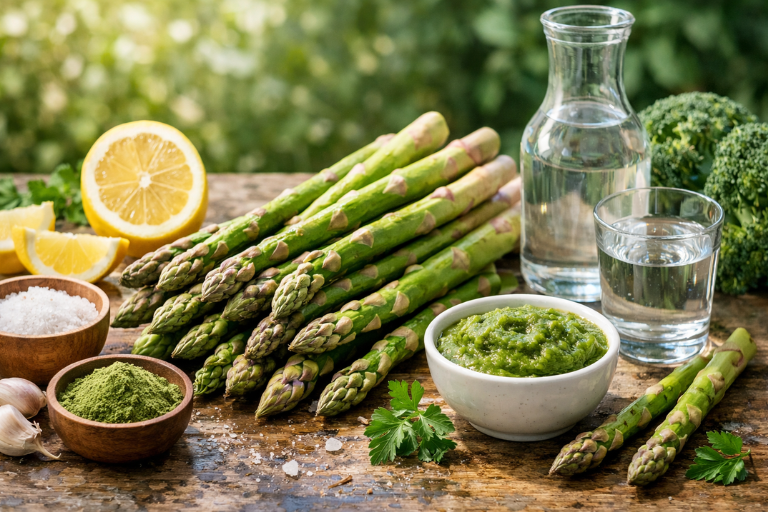
You know asparagus tastes great, but you might be missing its real power: steady, science-backed detox support. It’s a natural diuretic that helps reduce bloat, rich in glutathione for cellular defense, and packed with chlorophyll and fiber that support toxin removal and gut regularity. You’ll also find evidence it supports liver enzymes and antioxidant balance. Curious how to make it work for you—and enjoy it? Three simple, flavorful recipes make it effortless…
Asparagus Detox Benefits at a Glance
While it’s a simple spear on your plate, asparagus works hard behind the scenes to support your body’s natural detox. You’ll notice its diuretic edge: asparagine nudges your kidneys to produce more urine, flushing excess fluid, salt, and waste to reduce bloating and support urinary tract health.
Glutathione in asparagus acts as a powerful antioxidant that helps neutralize toxins and protect liver cells, enhancing your body’s natural detoxification processes. That same action partners with your liver to clear byproducts more efficiently. Incorporating antioxidant-rich foods into your diet can further bolster these detox benefits.
You also get digestive cleanup. Soluble and insoluble fiber add bulk, prevent constipation, and sweep trapped residues. Inulin feeds beneficial microbes that make short‑chain fatty acids, strengthen your gut barrier, and calm inflammation. Chlorophyll helps bind harmful compounds, while mild laxative effects promote regularity. Antioxidants like vitamins C and E temper oxidative stress and inflammation, safeguarding liver and digestive tissues during everyday exposures.
Glutathione in Asparagus: Antioxidant and Detox Roles
Beyond its diuretic and fiber-driven cleanup, asparagus stands out for its glutathione—a tripeptide of glycine, cysteine, and glutamic acid that powers cellular repair and detox. You get one of the richest food sources here, about 340 nanomoles per gram, comparable to spinach. This water‑soluble antioxidant helps neutralize free radicals, regenerates vitamins C and E, supports immune defenses, repairs DNA, and helps detoxify carcinogens at the cellular level.
Regular exercise can further stimulate antioxidant defenses and support glutathione production. Additionally, consuming foods rich in ginger’s antioxidant properties can enhance your overall immune system support.
You also benefit from teamwork: glutathione works alongside quercetin, isorhamnetin, kaempferol, and, in purple spears, anthocyanins to curb oxidative stress linked to aging and inflammation.
It lowers lipid peroxidation, supports mitochondria and lipid metabolism, and influences nitric oxide—shaped by asparagus’s arginine—for healthy regulation. To preserve glutathione, lightly steam, grill, or stir‑fry rather than overcook.
Chlorophyll in Asparagus: How It Helps Bind Toxins
Although asparagus isn’t as dark as spinach, its spring‑fresh spears are loaded with chlorophyll—the green pigment that helps plants capture light and, in you, can help capture toxins. As an early-season sprout, asparagus packs a high chlorophyll concentration that rivals leafy and cruciferous greens. That chlorophyll isn’t just color—it’s a chelator. Its ring-shaped structure shows chemical affinity for heavy metals like mercury and lead, binding them with amino acids to form complexes your body can excrete instead of absorb. It also provides a gentle diuretic effect that supports kidney function and helps clear excess uric and oxalic acids.
Additionally, burdock root’s prebiotic fibers can enhance gut health, further supporting the detoxification process. You also get supportive antioxidant action. Research on chlorophyll and chlorophyllin reports reduced aflatoxin B1 impact through enzyme support, faster waste elimination, and improved oxidative balance.
Spring asparagus, at peak chlorophyll, aligns with your detox goals and supports liver processing, enhancing routine clearance of everyday environmental metals.
Asparagus as a Natural Diuretic for Less Bloat
Because asparagus naturally nudges your kidneys to shed extra water and salt, it’s a smart pick when you want less bloat. Its standout amino acid, asparagine, acts like a gentle water pill, increasing urine production so you release retained fluid and feel lighter.
That diuretic effect helps flatten water-weight puffiness and combats abdominal bloating tied to fluid retention.
Asparagus’s gentle diuretic lift helps deflate water-weight puffiness and ease fluid-related belly bloat.
You’ll also support urinary tract health. More frequent bathroom trips help flush troublesome bacteria, which can be especially helpful if you’re prone to UTIs from infrequent urination.
Traditional use aligns with research: Asparagus racemosus root extracts showed significant diuretic activity in animals without acute toxicity.
Smart safety note: if you take lithium or prescription diuretics, talk to your clinician—diuresis can affect lithium levels and potassium balance.
And as a bonus, asparagus is rich in antioxidants, which help protect your cells from damage while you’re reaping its bloat-busting benefits.
Asparagus Fiber for Gut Health and Regularity
When you’re aiming for a smoother, more regular digestive rhythm, asparagus delivers with a potent mix of fibers—especially inulin, a soluble prebiotic that feeds friendly Bifidobacteria and Lactobacillus.
Its blend of soluble and insoluble fiber works two ways: insoluble fiber adds bulk to help you go, while soluble fiber nourishes your microbiome. These fructans and inulins resist your enzymes but ferment in the colon, shifting microbial communities and supporting Ruminococcus, with short-chain fatty acids (SCFAs) peaking around the transverse colon.
Those SCFAs help regulate motility, strengthen the gut barrier, and may ease constipation. If you follow a low FODMAP plan, you can often reintroduce asparagus in tolerated portions after elimination. Also note that asparagus contains asparagusic acid, which can cause a distinct urine smell in some people.
Bonus: cooked spears supply rutin and fermentation byproducts that help calm oxidative stress and protect epithelial integrity.
Asparagus and Liver Support: Enzymes and Antioxidant Defense
Even as you enjoy asparagus for its flavor, you’re also giving your liver a proven boost in antioxidant defense and detox enzymes. Its standout compound, glutathione, binds toxins, makes them water‑soluble, and neutralizes free radicals that inflame and damage liver cells.
Although dietary glutathione isn’t highly bioavailable, studies on asparagus leaf extracts show over 70% suppression of ROS markers in liver cells, pointing to potent intracellular protection. Asparagus also acts as a natural diuretic, helping flush out toxins and excess salt, which can reduce bloating and support healthy blood pressure.
You also upregulate key detox enzymes. Asparagus elevates alcohol dehydrogenase and more than doubles aldehyde dehydrogenase activity, accelerating ethanol and aldehyde clearance while easing cellular toxicity from oxidants and chemicals.
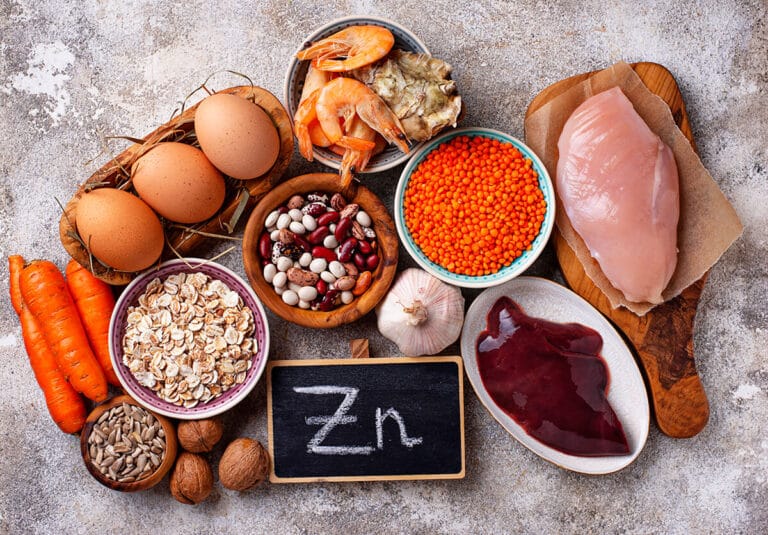
Minerals, amino acids, and vitamins A, B6, B9, B12, C, and K support these enzymes, while selenium and zinc reinforce antioxidant systems, helping your liver process burdens from alcohol, pollutants, and heavy metals.
How to Add Asparagus to a Detox-Friendly Diet
You’ve seen how asparagus protects your liver; now put it on your plate in ways that amplify those benefits.
Steam or lightly sauté spears to preserve folate, vitamin C, glutathione, and chlorophyll. Pair with a tall glass of water to boost asparagine’s diuretic effect, easing bloat, supporting irrigation therapy, and helping prevent UTIs and kidney stones.
For raw fiber and chlorophyll, shave asparagus into salads or blend tips into a green smoothie.
Grill or roast with minimal oil to enhance digestibility and stimulate peristalsis for regularity. Add sliced spears to brothy soups for hydrating detox support and potassium for blood pressure balance. Regularly enjoying asparagus contributes chronic disease prevention thanks to its antioxidants like vitamin C, vitamin E, glutathione, and flavonoids.
Rotate soluble and insoluble fiber sources by mixing asparagus with lentils or quinoa. Season lightly with lemon and herbs to keep sodium low.
Frequently Asked Questions
Does Cooking Method Change Asparagus’ Detox Benefits or Nutrient Availability?
Yes. You preserve more detox-supporting nutrients by steaming, microwaving, quick blanching, or low-heat sautéing to tender-crisp. Avoid boiling and prolonged high heat. Keep tips brief. Shock in ice water after blanching. Dry before roasting; grill away from flames.
Can People With Kidney Stones Safely Increase Asparagus Intake?
Yes, but do it cautiously. You’ll tolerate moderate portions with plenty of water. Watch oxalate and purine intake, monitor symptoms, and consult a renal dietitian. If you’re stone‑prone (uric acid/oxalate), limit amounts and prioritize balanced, varied produce.
How Does Asparagus Interact With Common Medications or Diuretics?
It can act like a mild diuretic, so you may amplify effects of water pills and lower blood pressure further. You’ll also retain lithium, raising toxicity risk. Use food amounts, monitor electrolytes, and ask your clinician about adjustments.
What’s the Optimal Serving Size for Measurable Detox Effects?
Aim for 1/2 cup (5–6 spears) per serving, 2–3 times weekly. You’ll boost diuresis, glutathione, and fiber while limiting purines. If tolerated, occasionally increase to 1 cup to enhance antioxidant and prebiotic benefits.
Are There Signs of Asparagus Intolerance Beyond Urine Odor?
Yes. You might experience stomach pain, bloating, diarrhoea or constipation, nausea, fatigue, or cramps. Allergy signs include hives, itching, breathing trouble, throat tightness, dizziness, or pale skin. Track intake, eliminate asparagus, and consult your healthcare provider for testing.
Conclusion
You’ve got a simple, tasty way to support your body’s natural detox pathways: eat more asparagus. Its glutathione, chlorophyll, fiber, and diuretic effects help your liver, kidneys, and gut work smoothly while easing bloat. Keep it easy—toss spears in a lemon sauté, grill with herbs, or blend into a fresh green smoothie. Rotate these a few times a week, drink plenty of water, and you’ll feel lighter, more regular, and energized—without complicated cleanses or strict rules.