10 Health Benefits of Soursop
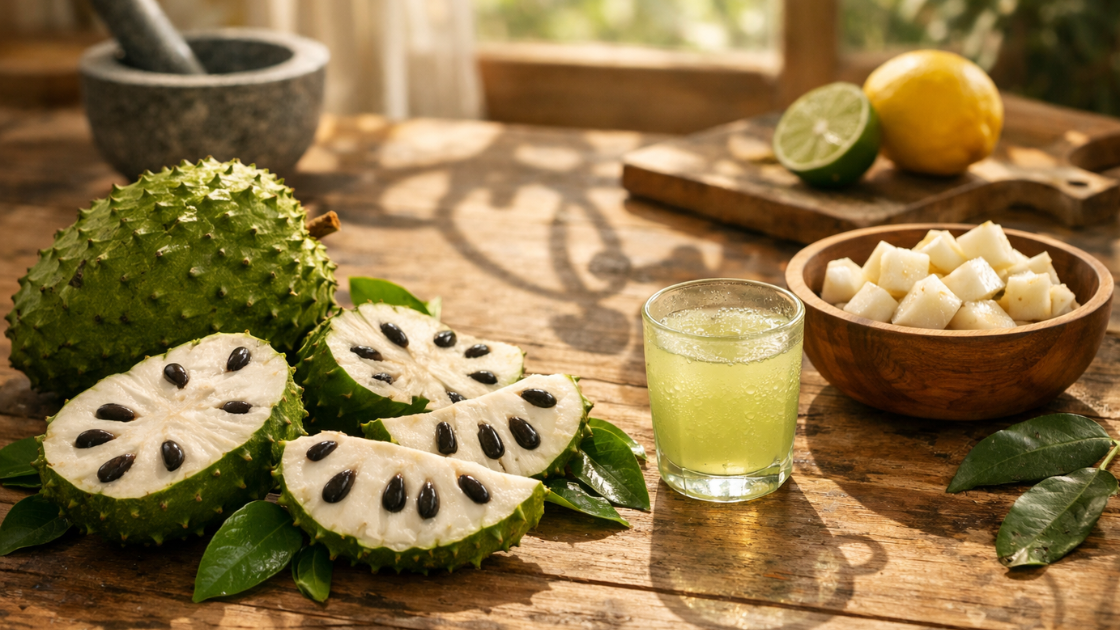
Curious how one tropical fruit could support your immune system, calm inflammation, and even help you sleep better? Soursop packs vitamin C, fiber, and plant compounds that may aid heart health, balance blood sugar, and protect cells from oxidative stress. It might also nurture your gut, curb harmful microbes, and ease tension. Yet it’s not a cure-all—and there are safety notes you shouldn’t ignore. If you want practical ways to use it wisely, here’s what matters most.
Soursop and Your Immune System: Vitamin C and More
Two key nutrients in soursop, vitamin C and fiber, support your immune defenses in complementary ways. You get vitamin C to spur white blood cell function and help you recover from everyday challenges.
Fiber feeds beneficial gut microbes, which train immune cells and maintain a resilient barrier in your digestive tract. You’ll also gain small amounts of B vitamins and potassium that help energy metabolism and fluid balance, letting your immune system work efficiently.
Enjoy soursop as fresh pulp, blended into smoothies, or stirred into yogurt. Aim for variety, and pair it with protein-rich foods to steady blood sugar and support overall resilience. Add variety by combining soursop with brightly colored vegetables, which are rich in carotenoids and antioxidants that strengthen immune defenses.
Antioxidants That Fight Oxidative Stress
Building on soursop’s immune-supporting nutrients, its antioxidant profile helps your cells handle everyday oxidative stress. You get vitamin C alongside polyphenols like quercetin, gallic acid, and catechins, plus carotenoids that neutralize free radicals before they damage lipids, proteins, and DNA.
These compounds support your body’s endogenous defenses, helping glutathione and related enzymes maintain redox balance.
You can eat the fruit fresh, blend it into smoothies, or brew the leaves as a tea, though potency varies. Aim for ripe fruit to maximize antioxidant content, and pair it with other colorful plants.
Store it properly—cool and out of direct light—to preserve activity.
Ginger’s antioxidants and bioactive compounds like gingerol also bolster immune defenses and help neutralize free radicals, offering complementary support to soursop’s antioxidant benefits.
Soursop’s Anti-Inflammatory Compounds: What Studies Show
While research is still emerging, studies suggest soursop contains bioactive compounds that can dial down inflammation through several pathways.
You’ll see annatto-like acetogenins, alkaloids, and flavonoids linked to reduced pro‑inflammatory signals. Lab studies show extracts can inhibit NF‑κB activation, lower COX‑2 and iNOS expression, and blunt cytokines like TNF‑α and IL‑6.
Animal models report less swelling and oxidative byproducts when given soursop leaf or fruit extracts.
You shouldn’t treat it as a cure, but it may complement an anti‑inflammatory diet. Quality, dosage, and preparation matter. Evidence favors standardized extracts over sugary beverages.
If you’re on medications, consult your clinician.
Pairing soursop with regular physical activity may enhance its anti-inflammatory potential by helping lower pro-inflammatory cytokines through consistent exercise.
Gut Health Benefits: Fiber, Prebiotics, and Digestion
Beyond calming inflammation, soursop supports your gut with fiber and plant compounds that feed beneficial microbes.
You’ll get soluble and insoluble fiber that helps form soft, regular stools while slowing digestion just enough to improve nutrient absorption. Its natural prebiotics—oligosaccharides and polyphenols—nourish Bifidobacteria and Lactobacillus, encouraging short-chain fatty acid production that strengthens the intestinal barrier.
You can blend ripe soursop into smoothies, spoon it over yogurt, or pair it with oats to boost daily fiber.
Start with small portions if you’re sensitive, and drink water to prevent bloating. Choose ripe, fragrant fruit; avoid seeds, which aren’t edible.
Heart Health: Cholesterol, Triglycerides, and Circulation
Even as a sweet tropical treat, soursop may support your heart by nudging blood lipids in a healthier direction.
Its soluble fiber helps reduce LDL cholesterol by trapping bile acids, prompting your body to use circulating cholesterol to replace them. You also get antioxidants—like vitamin C and polyphenols—that protect LDL from oxidation, a key step in plaque formation.
Some preliminary research suggests soursop compounds may improve triglyceride handling by influencing fat metabolism enzymes.
The fruit’s potassium and magnesium work with fiber to promote healthy circulation alongside regular activity and a balanced diet.
Choose whole soursop or unsweetened pulp, and keep portions moderate to manage calories.
Blood Pressure: Potassium, Vasodilation, and Monitoring
Although soursop is no cure for hypertension, its nutrients can support healthy blood pressure. You’ll get potassium, which helps your kidneys excrete sodium and promotes vasodilation by easing arterial tension. Pair soursop with a balanced diet; keep portions moderate to avoid excess calories and sodium from add‑ons. Track your readings at home, log trends, and share results with your clinician. Don’t stop prescribed medications without guidance. If you’re on antihypertensives, monitor for dizziness.
| Focus | Action | Why it Matters |
|---|---|---|
| Potassium | Include soursop | Supports sodium balance |
| Vasodilation | Stay hydrated | Aids vessel relaxation |
| Monitoring | Use home cuff | Detects changes early |
| Sodium | Limit intake | Reduces fluid load |
| Lifestyle | Move daily | Enhances vascular function |
Blood Sugar Balance: What Early Research Suggests
While it’s not a diabetes treatment, early studies suggest soursop may modestly support blood sugar control through compounds that influence glucose uptake, insulin signaling, and carbohydrate-digesting enzymes.
You’ll see most evidence from cell and animal models using leaf or fruit extracts, showing improved fasting glucose, better insulin sensitivity, and reduced post-meal spikes. These findings don’t translate directly to humans yet.
Most evidence comes from animal and cell studies; human benefits remain unproven so far.
If you enjoy soursop, treat it like other fruit: watch portions, consider overall carbs, and pair it with protein or fiber.
Avoid concentrated supplements without medical guidance. If you take glucose-lowering medications, monitor levels and talk with your clinician before adding soursop regularly.
Can Soursop Help Fend Off Microbes?
Because soursop brims with bioactive compounds—especially acetogenins, alkaloids, and phenolics—it shows antimicrobial activity in lab studies against certain bacteria, fungi, and parasites.
You’ll see the strongest effects in extracts from leaves, seeds, and bark, though fruit pulp contains some active molecules too. These compounds appear to disrupt microbial membranes, energy production, or replication.
Still, you shouldn’t treat infections with soursop alone. Human trials are limited, dosages aren’t standardized, and potency varies by preparation.
If you’re curious, use it as a culinary ingredient or a professionally guided supplement, not a replacement for prescribed care. Watch for allergies and medication interactions.
Sleep and Relaxation: Potential Calming Effects
You might find soursop calming thanks to natural sedative compounds in its leaves and fruit.
It may help modulate stress hormones, easing tension after a long day.
With regular use, it could support better sleep quality, helping you fall asleep faster and wake up more refreshed.
Natural Sedative Compounds
Soursop contains bioactive compounds—like alkaloids (annonamine), flavonoids, and magnesium—that may promote relaxation and support sleep.
You benefit from these constituents because they interact with neural pathways involved in calming and restfulness. Alkaloids can influence receptors linked to drowsiness, while flavonoids show gentle, soothing effects in preliminary studies. Magnesium supports muscle relaxation and ease.
You can sip soursop tea in the evening or enjoy a modest portion of the fruit earlier at night. Start small to gauge sensitivity, especially if you take sedatives.
Avoid seeds and unripe parts. Choose ripe, fresh soursop, or standardized extracts with verified purity.
Stress Hormone Modulation
Beyond its soothing compounds, evidence suggests soursop may influence stress chemistry, particularly cortisol and adrenaline, which shape how easily you unwind at night.
You’re not chasing a miracle; you’re supporting your body’s own rhythm. Soursop’s antioxidants may temper oxidative stress, which often amplifies stress hormone spikes.
Some preliminary studies indicate extracts could modulate the HPA axis, helping you downshift after demanding days. Pairing soursop with steady habits—hydration, light stretching, and screens-off time—may reinforce that hormonal ease.
Always consider interactions with medications and discuss changes with a clinician.
- Feel your shoulders drop.
- Hear your breath slow.
- Sense the day soften.
- Welcome a gentler evening.
Sleep Quality Support
While no fruit replaces good sleep hygiene, sipping soursop tea or adding the pulp to an evening snack may help you unwind. Its gentle, naturally sweet flavor can cue a calming pre-bed ritual. You’ll also get magnesium and potassium, minerals that support muscle relaxation and normal nerve function.
Some people find soursop’s aroma soothing, which may ease bedtime arousal. If you’re caffeine-sensitive, it’s a decaf alternative to evening tea. Pair it with dim lights and a screen break for better results.
Start small to gauge tolerance, especially if you’re on sedatives or blood pressure meds. Consistency matters—use it alongside regular sleep habits.
Safe Ways to Add Soursop to Your Diet (Servings, Risks)
Though its tropical flavor is inviting, you’ll get the most from soursop by using it in modest, planned portions.
Limit intake to 1/2–1 cup fresh pulp a few times per week, not daily. Blend small amounts into smoothies, chill as sorbet, or steep leaves sparingly for tea. Avoid seeds; they’re toxic.
If you’re pregnant, breastfeeding, have Parkinson’s, low blood pressure, or take antihypertensives, skip soursop or ask your clinician first. Stop if you feel numbness, tremor, or digestive upset.
- Savor bright, citrusy sweetness without overdoing it.
- Feel grounded by intentional choices.
- Protect your nerves and heart.
- Celebrate balance, not excess.
Frequently Asked Questions
Does Soursop Interact With Common Medications or Supplements?
Yes, soursop can interact with medications. You should avoid it with blood pressure drugs, diabetes meds, antidepressants (MAOIs), anticoagulants, and sedatives. It may enhance hypotension, hypoglycemia, bleeding, or drowsiness. Always check with your pharmacist or prescriber first.
Are There Differences Between Fresh, Frozen, and Canned Soursop Benefits?
Yes. You’ll get best flavor and nutrients fresh; frozen retains most but may lose texture; canned can add sugars, reduce vitamin C, and alter taste. Check labels, avoid syrups, and use frozen when fresh isn’t available.
How Does Soursop Compare Nutritionally to Similar Tropical Fruits?
It’s comparable in vitamin C to guava but lower than acerola. You get notable fiber, potassium, and antioxidants, more than pineapple, similar to mango. It’s higher in natural sugars than papaya; watch oxalates and potential annonacin concerns.
Is Soursop Safe During Pregnancy or Breastfeeding?
It’s generally advised to avoid soursop during pregnancy and breastfeeding due to limited safety data and potential neurotoxic alkaloids. Don’t use supplements. If you still want small amounts of fruit, ask your clinician first.
What Parts of the Soursop Plant Are Toxic or Unsafe?
Seeds and bark contain toxic annonacin; don’t ingest them. Unripe pulp and large amounts of leaves, teas, or supplements may be unsafe. Avoid graviola extracts, especially long-term. Stick to ripe fruit pulp in moderation and discard seeds promptly.
Conclusion
Soursop can be a flavorful way to support your health. You’ll get vitamin C for immunity, antioxidants to counter stress, and fiber to feed your gut. Its anti-inflammatory compounds may ease swelling, while potential benefits for cholesterol, blood pressure, and blood sugar support your heart and energy. Early findings also suggest calming effects for better sleep. Enjoy it fresh, in smoothies, or teas—but keep portions moderate and check with your healthcare provider if you’re pregnant, on meds, or have kidney issues.