Top 9 Peppermint Tea Benefits for Digestion, Focus, and Full-Body Calm
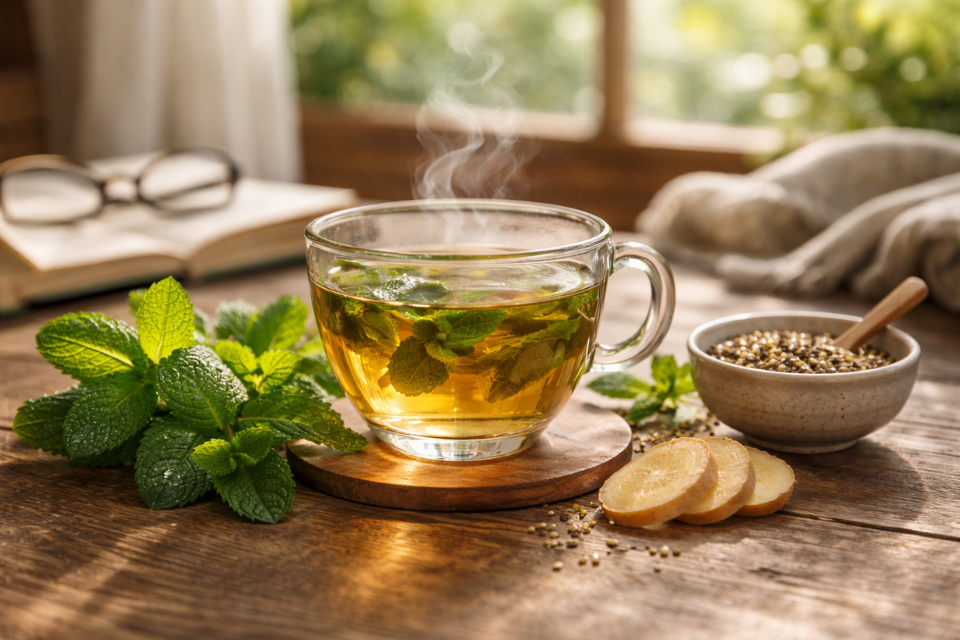
You reach for peppermint tea when your gut feels off, but its benefits go far beyond a calm stomach. This caffeine-free cup can ease bloat, soothe cramps, and support digestion after meals. It may also help with nausea, sharpen focus without jitters, and relax tight muscles and tension headaches. Even your breathing and sleep might get a lift. The real advantage comes from how you brew and use it—here’s what to know before your next sip.
Peppermint Tea for Quick Bloat Relief
When your stomach feels tight and gassy, a hot cup of peppermint tea can bring quick relief. You’ll feel lighter as steam opens your sinuses and menthol’s cool aroma signals calm.
The warm liquid helps move trapped air, while peppermint’s oils support digestive flow so you’re less puffy and uncomfortable. Sip slowly after meals or when pants feel snug.
Warm tea eases trapped air; peppermint oils soothe digestion. Sip slowly after meals or whenever pants feel snug.
Use one tea bag or a teaspoon of loose leaves per cup, steep 5–7 minutes, then drink warm. Choose caffeine-free blends at night.
If you’re sensitive to mint or have reflux, start with a weaker brew and note how you feel. Enteric-coated peppermint oil targets the lower GI tract for effectiveness, and its antispasmodic effects can quickly ease bloating.
Soothe Cramps and Stomach Spasms With Peppermint Tea
Beyond easing bloat, peppermint tea can calm cramping and stomach spasms by relaxing smooth muscle in your gut.
You’ll feel tension release as menthol interacts with receptors that moderate pain and motility. Sip it warm to reduce gripping discomfort and ease that knotted sensation without heaviness. It’s gentle, fast-acting, and supports comfort when waves of tightness interrupt your day. Drawing from ginger research, incorporating anti-inflammatory compounds may further soothe gut discomfort by reducing inflammation that contributes to cramping.
- Choose pure peppermint leaves for consistent menthol content.
- Steep 1–2 teaspoons for 7–10 minutes; drink slowly.
- Use a covered mug to retain therapeutic vapors.
- Try cooled sips if heat worsens sensitivity.
- Track timing and triggers to personalize relief.
Peppermint Tea to Aid Post-Meal Digestion
After a heavy meal, you can reach for peppermint tea to ease bloating naturally.
Its soothing compounds relax your GI tract, so gas moves along instead of lingering.
Sip it warm to support smooth, comfortable digestion.
However, be aware that peppermint can worsen reflux for some people; consider alternatives like ginger or alginate formulas if you experience burning or sour burps.
Eases Bloating Naturally
Though a full belly can feel tight and gassy, a warm cup of peppermint tea helps ease bloating by relaxing the smooth muscles of your digestive tract. You get relief as trapped gas moves along, pressure subsides, and your belly feels lighter.
Sip slowly after meals or when waistband discomfort creeps in. The menthol aroma also cues your body to unwind, which can reduce tension-related bloat. Choose fresh, high-quality leaves for the cleanest taste and effect, and avoid oversteeping to prevent bitterness. You’ll notice comfort return within minutes.
- Brew 5–7 minutes; cover to capture volatile oils
- Drink warm, not scalding
- Use filtered water
- Pair with mindful chewing
- Avoid heavy sweeteners
Supports Smooth Digestion
When you want your meal to move along comfortably, peppermint tea helps your digestive tract work smoothly. You sip it after eating, and its menthol relaxes intestinal muscles, easing spasms that slow transit.
That gentle relaxation supports coordinated contractions, so food doesn’t linger and gas disperses. You also stimulate bile flow, which helps your body break down fats more efficiently.
The warm infusion nudges circulation to your gut, supporting enzyme activity and comfortable motility. Choose a caffeine-free, pure peppermint blend, steep 5–7 minutes, and drink warm.
If you have reflux or gallbladder issues, start with a small cup and see how you respond.
Peppermint Tea for Nausea and Motion Sickness
When nausea hits, you can lean on peppermint tea’s calming gut mechanisms to relax spasms and ease queasy stomachs.
You’ll often feel steadier thanks to its soothing aroma and menthol’s cooling effect.
For travel-ready relief, pack tea bags, sip warm or cool before and during trips, and pair with small, bland snacks.
Calming Gut Mechanisms
Even before you sip, peppermint’s menthol-rich oils get to work calming the gut’s smooth muscle. You feel tension ease as calcium channels quiet and spasms relent, helping peristalsis find a smoother rhythm.
By modulating TRPM8 receptors, you sense cool relief that downshifts visceral hypersensitivity. Its antispasmodic action targets the colon, reducing cramping without dulling normal motility.
You support this effect by breathing in the aroma as you brew.
- Relaxes intestinal smooth muscle through calcium-channel modulation
- Engages TRPM8 for soothing, cooling signals
- Stabilizes peristaltic pacing without causing sluggishness
- Damps gut-to-brain discomfort signaling
- Aromatherapy augments gastrointestinal calm
Eases Queasy Stomachs
Although queasiness can strike without warning, peppermint tea offers quick, gentle relief. Its menthol-rich aroma calms your stomach’s “churn,” while smooth, warm sips relax gut muscles that drive nausea. You feel less pressure, fewer cramps, and a steadier belly.
When motion or migraines unsettle you, peppermint’s cooling compounds help quiet the nausea reflex and reduce hypersalivation. The tea’s mild bitterness can also reset a sour taste, making swallowing easier.
Breathe in the steam, then sip slowly to settle your senses. You’ll ease dizziness, tame uneasy swirls, and regain appetite without heaviness. It’s a soothing, non-drowsy way to steady yourself.
Travel-Ready Relief Tips
Before you hit the road, pack peppermint tea bags and a collapsible mug so relief is always within reach. Brew with hot water from airport kiosks or thermos taps, then sip slowly to calm queasiness. If motion sickness hits, inhale the steam first, then take small sips every few minutes.
Keep tea accessible in your carry-on, glove box, or daypack, and avoid heavy meals before travel to boost effectiveness.
- Choose individually wrapped bags for freshness and spill-free packing
- Carry a compact thermos for hot water on demand
- Pair with bland snacks to steady your stomach
- Use ginger mints between sips
- Avoid alcohol and greasy foods
Caffeine-Free Focus and Mental Clarity With Peppermint Tea
While many focus aids rely on a jolt of caffeine, peppermint tea offers a clean, stimulant-free way to sharpen your mind. You get mental clarity without jitters, crashes, or disrupted sleep.
The cool aroma can cue alertness as you inhale, while a warm sip creates a steady, calm concentration.
Brew a cup before deep work, studying, or creative tasks. Let the steeping steam prime your senses, then drink slowly to maintain a focused rhythm.
Choose pure peppermint leaves, cover while steeping, and aim for 3–5 minutes to keep flavors bright. Use it as an afternoon reset, or pair with breathwork for sustained attention.
Ease Tension Headaches and Muscle Tightness With Peppermint Tea
Because peppermint naturally cools and relaxes, a simple cup of peppermint tea can ease tension headaches and loosen tight muscles. You’ll feel your jaw unclench, your shoulders drop, and that band of pressure soften as menthol encourages calm, steady circulation.
Sip slowly, breathe deeply, and let the warmth and aroma work together to reset your body’s stress response.
- Steep 5–7 minutes to extract menthol’s soothing potency.
- Pair with magnesium-rich snacks to support muscle relaxation.
- Practice gentle neck stretches between sips for faster relief.
- Choose caffeine-free peppermint to avoid rebound tension.
- Use consistent evening rituals to prevent next-day tightness.
Breathe Easier With Peppermint Tea’s Gentle Decongestion
Even with a stuffy nose, you can coax open your airways with a warm cup of peppermint tea. The menthol vapor feels cooling as you sip, helping loosen mucus and ease that blocked, heavy sensation. You’ll breathe deeper, and each inhale may feel smoother.
Hold the mug close, inhale the steam, then drink slowly to extend the soothing effect.
Choose strong, freshly steeped tea—covered—for 5 to 7 minutes to capture aromatic oils. Add a slice of lemon or a drizzle of honey if you want extra throat comfort.
Use it during cold, allergy, or dry-air seasons when nasal passages need gentle relief.
Stress Relief and Better Sleep With Peppermint Tea
Although it’s naturally caffeine-free, peppermint tea can still perk up your mood by relaxing tense muscles and quieting a restless mind.
Caffeine-free peppermint tea relaxes tense muscles and quiets a restless mind, gently lifting your mood.
Its cooling menthol signals calm, easing stress-related headaches and unclenching jaw and neck tension. You breathe deeper, your heart rate steadies, and your nervous system shifts toward rest-and-digest.
Sip in the evening to set a gentle pre-sleep groove; you’ll feel less wired and more settled.
- Eases somatic tension that amplifies anxiety
- Softens GI discomfort that can disrupt sleep
- Fresh aroma anchors attention and reduces rumination
- Supports a bedtime wind-down ritual cue
- Non-habit-forming option for nightly calm
Brewing Peppermint Tea for Maximum Benefits
To capture those calming, tummy-soothing perks in your cup, focus on how you brew. Use fresh, filtered water and bring it just below boiling—about 205°F (96°C).
Pour over 1–2 teaspoons loose peppermint leaves or one quality sachet per 8 ounces.
Cover the cup to trap aromatic oils. Steep 5–7 minutes for balanced flavor and potency; go 8–10 if you want stronger digestive support. Avoid oversteeping into bitterness.
Choose pure peppermint or a peppermint-dominant blend without artificial flavorings. Warm your mug first, and drink unsweetened to preserve benefits. If desired, add a slice of lemon or a drizzle of honey.
Frequently Asked Questions
Is Peppermint Tea Safe During Pregnancy or While Breastfeeding?
Yes, in moderation. You can drink peppermint tea during pregnancy and breastfeeding, but limit to 1–2 cups daily. Avoid if it worsens heartburn or decreases milk supply. Choose caffeine-free, pure peppermint. When unsure, ask your healthcare provider.
Can Peppermint Tea Interact With Medications or Supplements?
Yes. You might experience interactions with antacids, PPIs, H2 blockers, cyclosporine, warfarin, and herbs/supplements affecting bile or sedation. Enteric-coated peppermint oil and antacids can dissolve early. Monitor effects, separate dosing, and ask your clinician or pharmacist.
What’s the Difference Between Peppermint and Spearmint Tea Benefits?
Peppermint’s stronger menthol cools, soothes digestion, eases headaches, and may clear sinuses. Spearmint’s milder carvone supports hormone balance, may reduce hirsutism, and aids gentle digestion. You’ll choose peppermint for punchy relief; you’ll pick spearmint for softer, daily-calming support.
Are There Side Effects for People With Acid Reflux or GERD?
Yes. You may experience worsened reflux because peppermint can relax the lower esophageal sphincter. It might trigger heartburn, regurgitation, or chest discomfort. Use small amounts, avoid bedtime, consider enteric‑coated capsules, and consult your clinician if symptoms persist.
Does Peppermint Tea Affect Iron Absorption or Nutrient Uptake?
Yes, peppermint tea can slightly reduce non-heme iron absorption if you drink it with meals. You’ll minimize impact by drinking it between meals, adding vitamin C–rich foods, and avoiding pairing it with iron supplements or iron-fortified meals.
Conclusion
You’ve got a simple, powerful ally in peppermint tea. Sip it to deflate bloat fast, calm cramps, and smooth post-meal digestion. Reach for it when nausea strikes or you need clear, caffeine-free focus. It can ease tension headaches, relax tight muscles, and gently open your airways. At night, it helps you unwind and sleep more deeply. Brew it hot, steep it right, and make it a daily ritual for steady energy, calmer nerves, and full-body balance.